.webp)
How to Maintain Brand Consistency Across Every Kids’ Activity Franchise Location

Walk into a kids’ gym located in California, Singapore, or London, and you’ll notice something interesting.
The equipment looks familiar.
The class format feels the same.
Even the way instructors interact with children and parents carries a recognizable rhythm.
That’s not accidental. This is called brand consistency.
For a kids' activity franchise, brand consistency is one of its most valuable assets it has. Parents sign up because they trust the experience. They expect the same quality of instruction, the same structured classes, and the same environment for their child, no matter which location they visit.
But here is the catch. Maintaining that consistency becomes significantly harder as a brand grows.
When you start with one location. The experience was tight. Every class ran on time, every coach knew the curriculum, every parent left feeling like their child was in exactly the right place. Then came location two. Then five. Then twenty. And somewhere along the way, the thing that made your first location special started getting harder to replicate. Not because your franchisees didn't care. But because consistency needs to be engineered.
This blog is all about that- the importance of brand consistency, the challenges and how to deal in case of a fallout.
Why brand consistency matters more in kids' businesses?
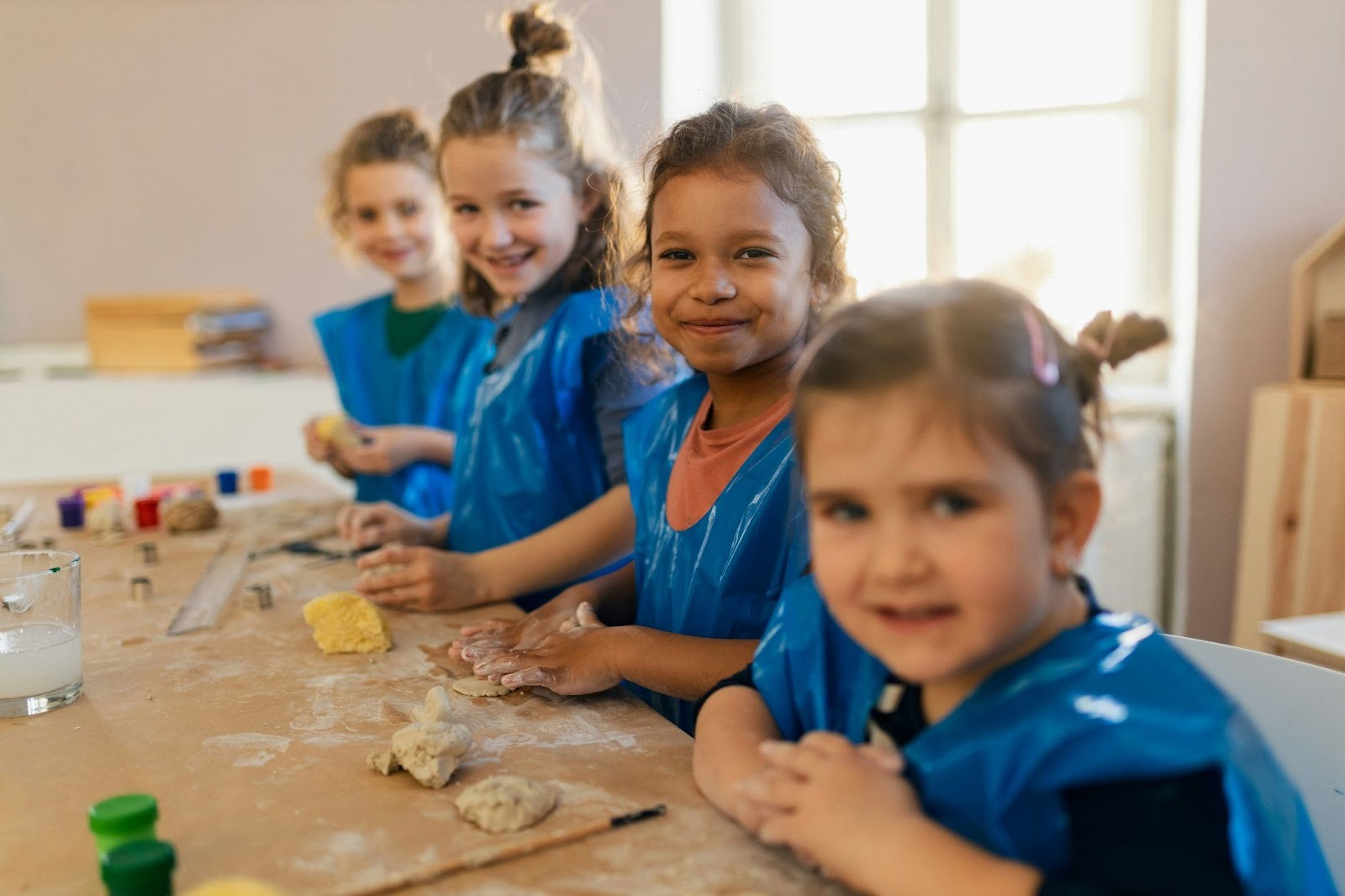
When a kids' activity franchise expands from a handful of locations to dozens or even hundreds, small operational differences start to creep in. If one franchisee owner uses spreadsheets to manage enrollments. Another uses a different scheduling tool. Communication with parents and even any sort of operational process will vary from location to location. These differences don’t seem huge on their own. But small things put together have the ability to slowly weaken the brand.
Over time, the different locations will start to feel not like a uniform brand but a collection of loosely connected businesses.
A parent who has a great experience at your flagship location and then visits a franchise across town expects the same energy, the same quality of coaching, the same booking experience, and the same communication style. When those things don't match, it doesn't just create disappointment. And for a business like kids’ activities or children's camp, this spreads faster through word-of-mouth. In the children’s activity space, trust and reputation matter deeply, and therefore, fragmentation can become a serious risk.
Where does brand consistency in a children’s activity franchise actually live?

Most franchise operators think about brand consistency in terms of logos, colors, and signage. Secondly, the easier part of a franchise model is replicating. Offering similar classes and programs, abiding by a proven curriculum, following a structured class format, and so on. This is essentially what any franchise model offers- similar goods and services across all locations.
However, the harder part of the challenge is the operations behind the programs and offerings, which affect the booking process, membership system, communication patterns, reporting structure, and, ultimately, the final client experience.
Here are 3 things to make branding consistent throughout franchisees-
- The Customer Experience: How a parent feels from the moment they discover your brand to the moment their child walks out of class. Every touchpoint is a brand moment. This includes the booking process, the communication they receive, how their membership is managed, how their questions get answered, and how their child is greeted at the door.
- The Program Delivery: Whether the class at location 14 feels as structured, engaging, and age-appropriate as the class at location 1. This is a curriculum and training problem, but it's also a scheduling and accountability problem. Are coaches following the program? Are classes running at the right capacity? Are sessions starting on time?
- The Operational Backbone: The systems underneath everything else- how payments are collected, how memberships are structured, how attendance is tracked, how reporting flows back to the franchisor.
The Franchisee Autonomy Trap

There's a temptation in franchise development to give franchisees significant operational latitude in the name of "local ownership." And some degree of local adaptation is genuinely healthy — a franchise in suburban Houston should feel rooted in its community differently than one in central London.
But there's a meaningful difference between local character and operational fragmentation.
When franchisees are left to choose their own booking tools, set their own membership structures, design their own payment processes, and report back however they see fit, what you end up with isn't a franchise. It's a loosely affiliated collection of independent businesses sharing a logo.
The damage shows up slowly and then all at once. A franchisor can't meaningfully benchmark locations against each other when the data isn't standardized. They can't spot an underperforming location early when every franchisee is reporting in a different format. They can't protect the parent experience when the operational layer beneath it is different in every location.
The most successful kids activity franchises draw a clear line: franchisees own the community relationship, the local culture, and the hiring of passionate coaches. The operational infrastructure, including booking, memberships, payments, communication, and reporting, is standardized across every location without exception.
What does branding across franchisees look like in practice?

For a kids' activity franchise operating at scale, operational standardization means a few specific things:
- One booking and registration system across every location. Parents should be able to book a trial class, register for a term, or manage their child's schedule with the same experience regardless of which location they visit.
- Standardized membership and pricing structures. Not necessarily identical, pricing markets vary, but the same tiers, the same logic, the same renewal workflows. When a family moves cities, and their membership doesn't transfer cleanly, that's a brand failure even if it's technically an operational one.
- Centralized reporting with standardized KPIs. Every location should feed data into the same framework: enrollment numbers, attendance rates, membership retention, and revenue per class. It's about giving franchisors the ability to identify what's working, replicate it across the network, and catch problems before they become patterns.
- Consistent parent communication. How you communicate with families, including class reminders, schedule changes, milestone celebrations, and renewal nudges, should feel like it's coming from one brand, not 47 different operators with 47 different communication styles.
How does unified technology help in branding?
Most of the inconsistency isn't caused by bad franchisees. It's caused by bad infrastructure.
When a franchisor doesn’t provide a unified system, each franchisee ends up using their own tools- some rely on scheduling software, others on spreadsheets or messaging apps, and a few even build custom solutions. While the brand may appear consistent to customers, behind the scenes, every location operates differently. It looks like one business, but it actually operates like many disconnected businesses behind the scenes.
The franchises that do this well create a compounding advantage. Every new location that joins the network gets onboarded faster, operates more consistently from day one, and contributes clean data to the franchisor's network-wide view. The brand gets stronger with every location added, instead of being diluted.
Conclusion
There's a reason the most trusted kids' activity franchises in the world are obsessive about operational standards. They understand something that newer franchisors often learn the hard way: parents don't just buy a class. They buy a promise. The promise is that their child will be safe, well-coached, and genuinely cared for every time, at every location, no matter which franchisee happens to own that particular building.
Delivering on that promise at one location is a matter of hiring the right people. Delivering on it at 100 locations is a matter of building the right systems. The franchises that figure that out early build something genuinely defensible.
Not just a brand, but a machine for consistently delivering the experience that makes parents stay, refer their friends, and enroll their next child without thinking twice. That's what brand consistency actually means in the kids' activity space, and that’s exactly why it starts with taking the right operational layer as seriously as the curriculum.
Omnify helps kids' activity franchises standardize operations across every location- from bookings and memberships to payments, reporting, and parent communication, so every location delivers the same experience the brand promises.
Learn how to maintain brand consistency across children's activity franchise locations and ensure a uniform experience for clients as you scale your business.