.webp)
Cheerleading Programs for Kids: Ideas and Activities
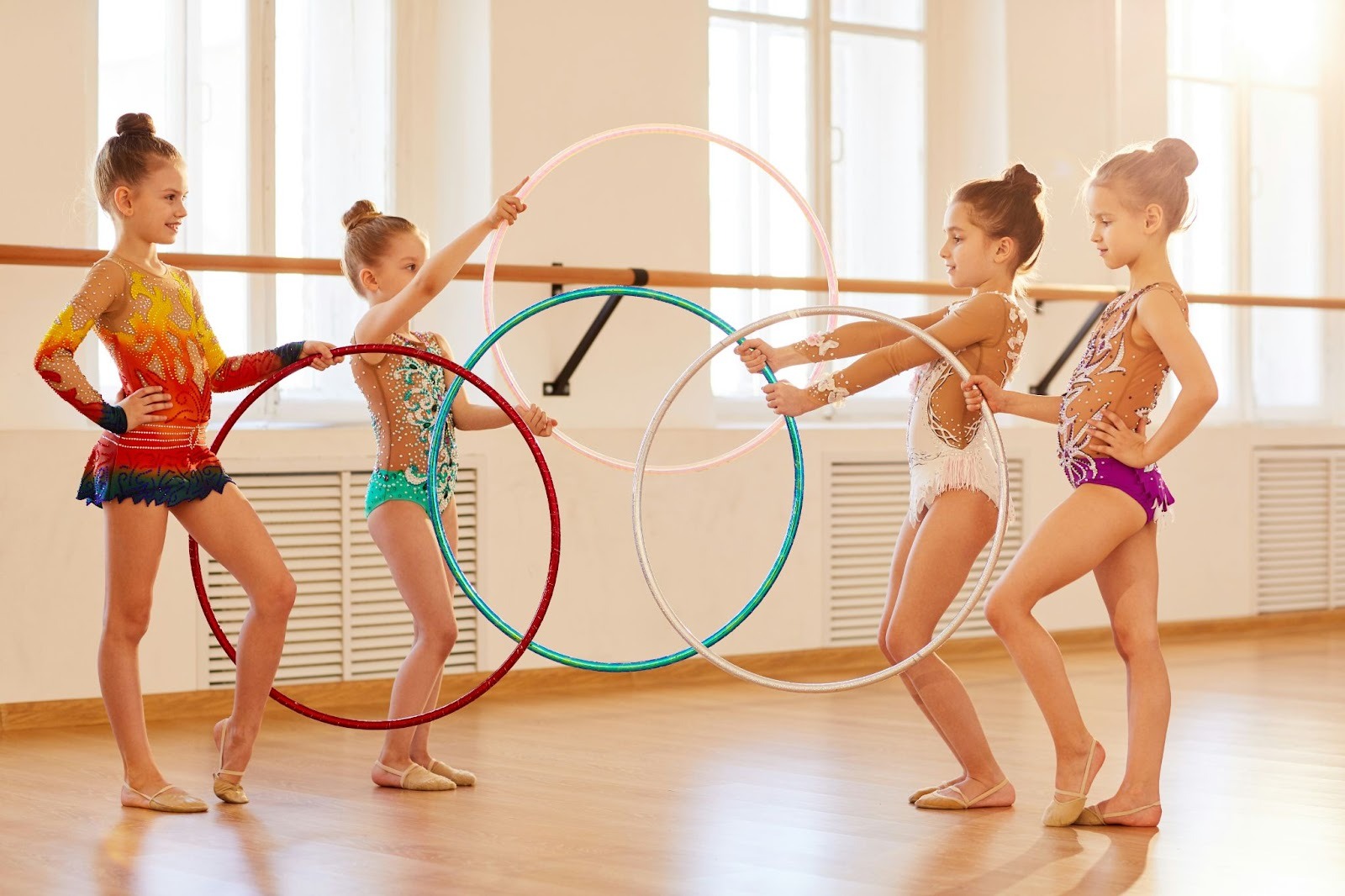
Cheerleading isn’t just pom-poms and sidelines anymore — it’s one of the most exciting, high-energy youth programs in the country. With over 3 million kids participating across schools, clubs, and all-star leagues, cheer has grown into a powerful mix of athleticism, performance, and pure team spirit. And the best part? Kids can start as young as three and continue building skills all the way through high school.
Today’s cheerleading programs go far beyond simple chants. They combine tumbling, jumps, stunts, dance, and competition routines into a dynamic, year-round experience that keeps kids moving, motivated, and confident. Whether it’s a tiny beginner learning basic coordination or an advanced squad mastering synchronized stunts, every stage is designed to build strength, confidence, and teamwork in age-appropriate ways.
In this blog, we’ll break down creative cheerleading program ideas and activities for every level — from beginner to advanced- so you can design classes that are fun, engaging, and developmentally spot-on.
Let’s dive in.
1. Beginner Cheerleading (Ages ~3–6) – Building Physical Fitness
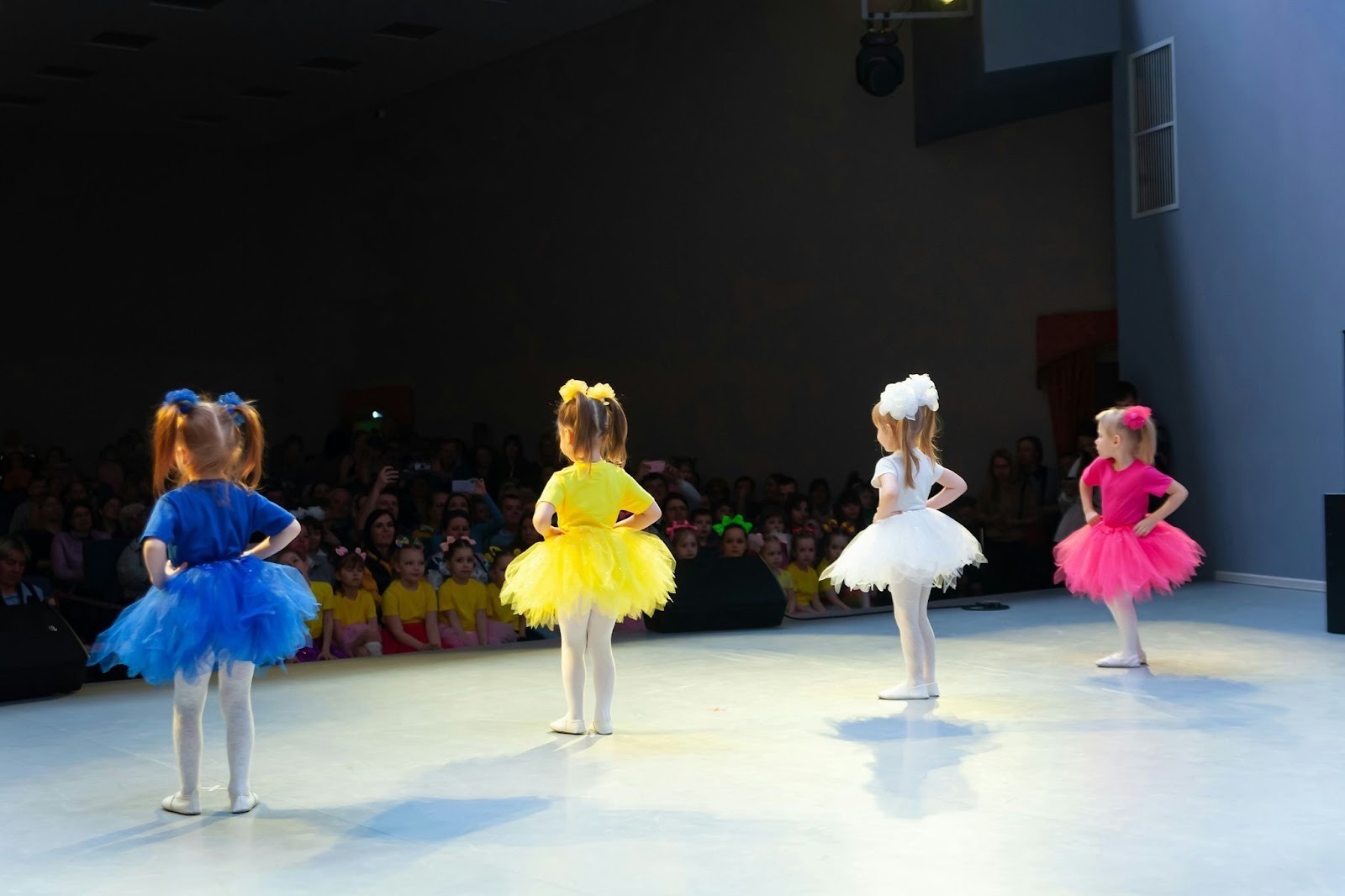
Many programs offer beginner cheer classes for preschool and early elementary ages (often around 3 to 6 years old). At this early stage, the goal is to get kids moving and introduce basic cheer skills in a playful, low-pressure environment. Classes focus on fundamental physical abilities like balance, body awareness, and coordination, since children are just developing these motor skills.
Coaches keep lessons fun and safe using simple movements and games that lay the groundwork for future cheer techniques. The emphasis is on physical fitness and enjoyment rather than strict technique. Little cheerleaders also start to gain a bit of confidence simply by trying new activities in a group setting.
Engaging Activities for Beginners (Fitness & Fun):
- Playful Warm-Ups: Turn warm-ups and stretches into a game. Have kids pretend to be animals during stretches (hopping like bunnies, stretching tall like giraffes). This makes improving flexibility and gross motor skills feel like play.
- Basic Tumbling on Soft Mats: Let little ones try forward rolls, bear crawls, or log rolls on padded mats with a coach’s help to build strength and coordination while kids giggle and tumble safely.
- Pom-Pom Dance and Chants: Give every child a pair of pom-poms and teach a very simple chant or dance. Using fun, colorful props at age 3–6 keeps them engaged. A basic call-and-response cheer combined with big movements gets them moving energetically and laughing.
- Obstacle Courses: Set up a mini obstacle course in the gym (for example, jump over a low foam block, do a silly dance on a poly spot, crawl under a ribbon). Every obstacle they conquer builds physical confidence.
These beginner activities prioritize physical fitness, but always through games and creative play. At this stage, success is measured in smiles. By keeping it light and encouraging, coaches ensure the youngest cheerleaders associate fitness with fun, setting the stage for more skill development ahead.
2. Intermediate Cheerleading (Ages 7–11) – Boosting Confidence
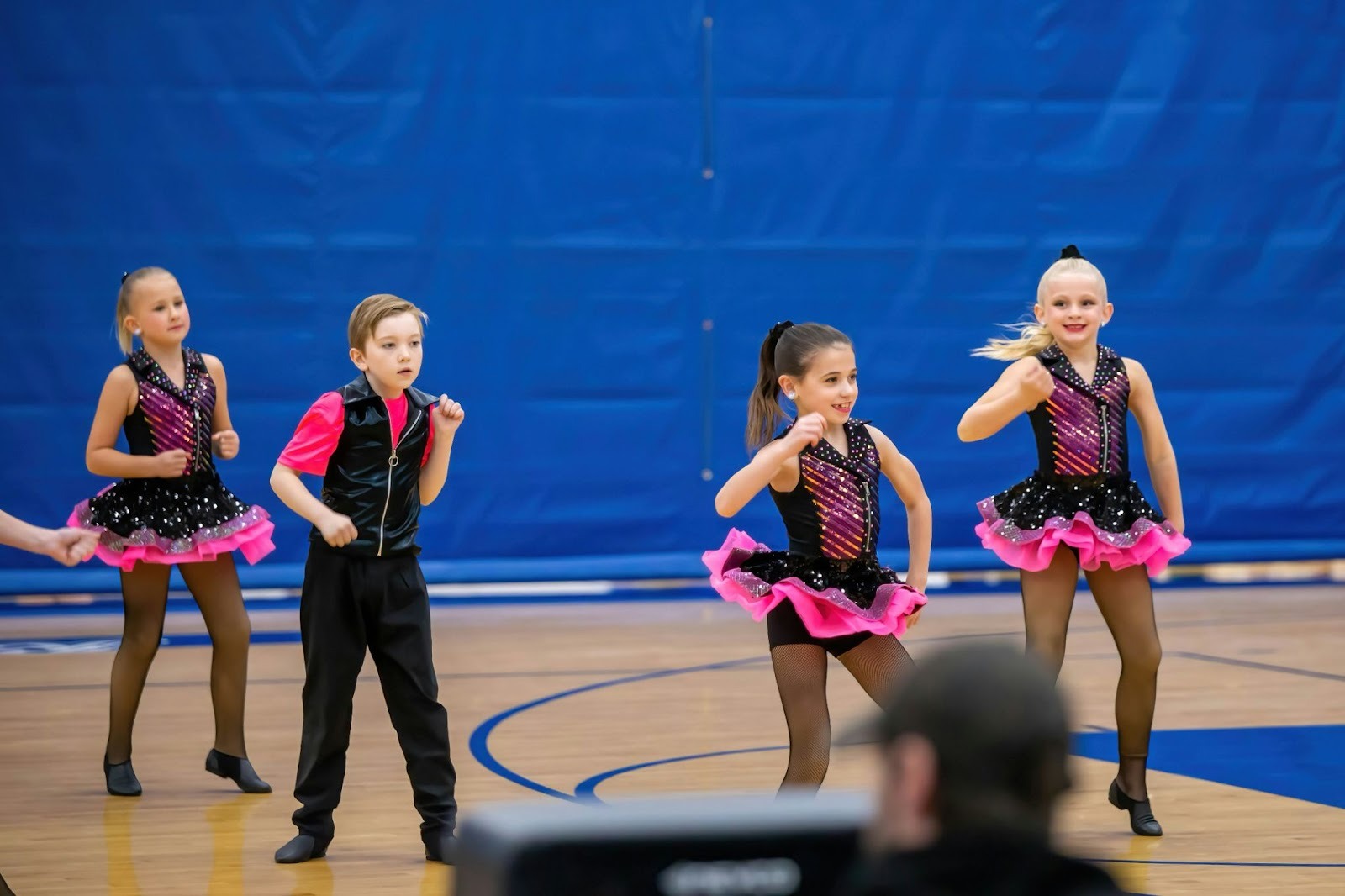
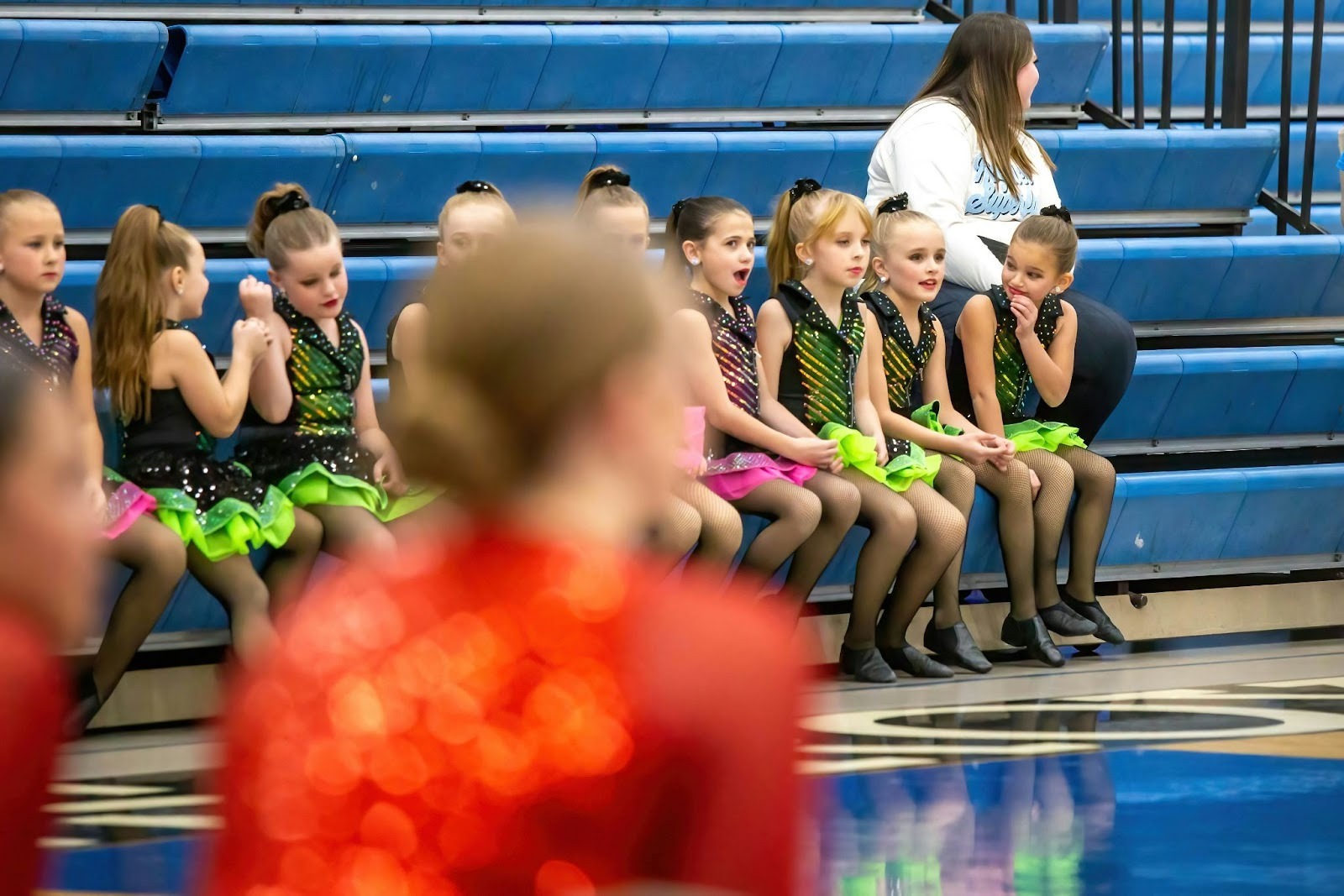
Here, children typically move into an intermediate or “youth” cheer level in later elementary years (around age 7–11). At this stage, classes ramp up the complexity of skills and routines in an age-appropriate way. Kids are usually ready to learn slightly more advanced tumbling and stunts, sharper motions, and longer cheer/dance routines.
With these new skills, a key focus is building confidence. Coaches at the intermediate level encourage kids to step into the spotlight a bit more, whether it’s by leading a cheer, doing a solo tumble pass in a routine, or simply performing in front of a crowd.
All of this is done in a supportive environment so that children gain self-assurance with each success. The intermediate stage is often where you see shy kids really “come out of their shell,” thanks to cheerleading. They’re old enough to appreciate their progress and take pride in it.
Activities to Boost Confidence (Performance & Skill-Building):
- Mini Performances for Family: Organize a low-pressure “showcase” at the end of a class or season. Like a short cheer or dance routine performance for parents. This gives intermediate cheerleaders a taste of performing for an audience in a friendly setting.
- “Skill Spotlight” Circles: A great confidence-builder is letting each child demonstrate a skill they’ve been working on, one at a time, with teammates as the encouraging audience. This not only motivates the child performing, but also teaches the whole team to celebrate each other’s progress.
- Creative Cheer Challenges: Allowing kids to be creative can greatly build confidence in their abilities. For instance, just like asking a professional WriteMyEssay service to structure an academic paper, assigning kids to craft their own short cheer chant encourages them to express ideas and take ownership of a routine.
- Leadership Roles in Class: To build confidence in individuals, coaches can rotate “leader” roles during practice. For example, one week a student might be the one to lead the warm-up or call the cheers. Over time, each team member gets a chance to be in charge briefly, which prepares them for future leadership.
At the intermediate level, cheer classes still incorporate plenty of physical conditioning and skill training, but the differentiator is how much they focus on personal growth and confidence. Coaches emphasize positive feedback and an uplifting team culture, so that every child feels valued.
3. Advanced Cheerleading (Ages- 12+) – Emphasizing Teamwork
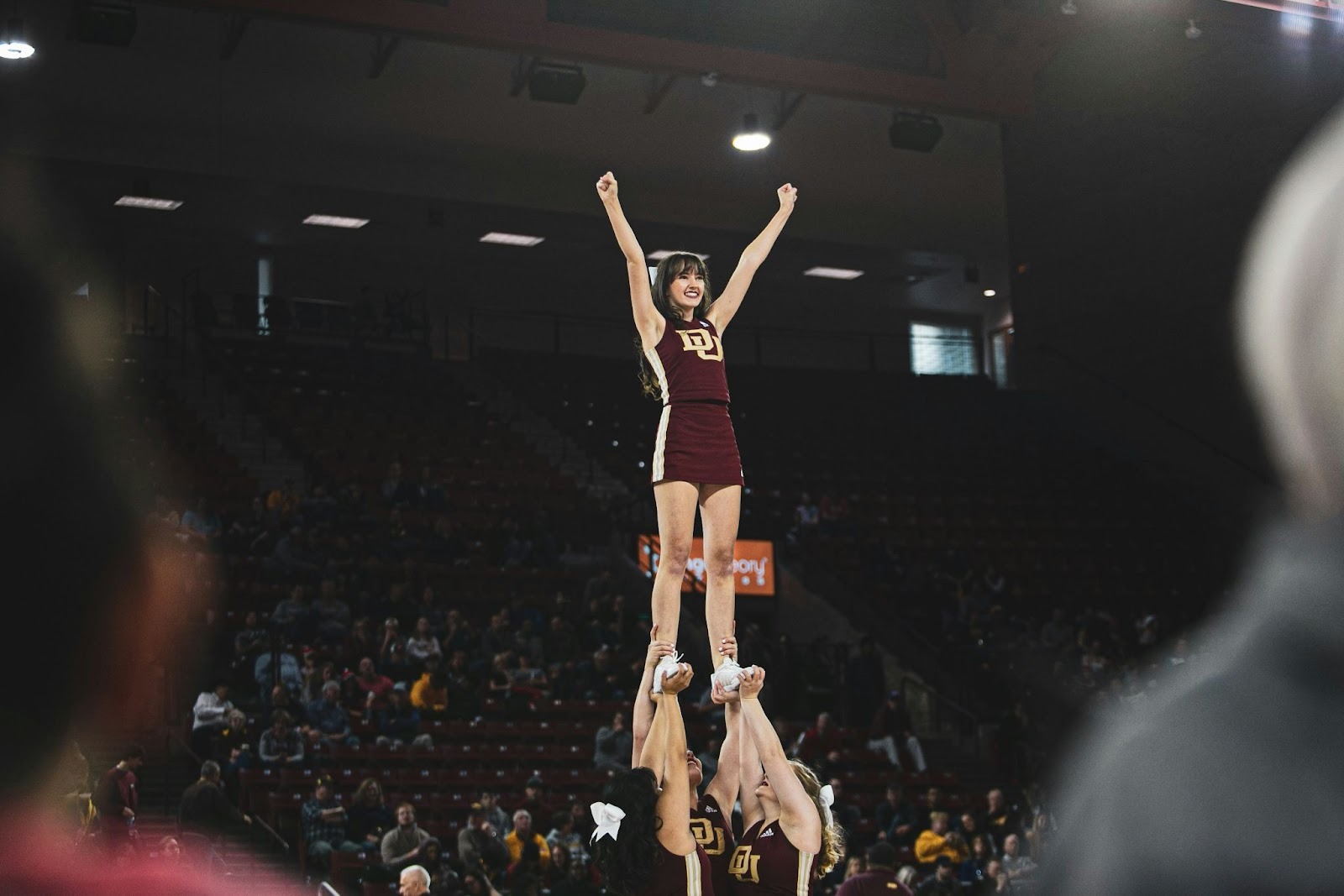
Advanced youth cheerleading typically includes pre-teens and teens (about 12 and up, often middle school to high school age). By this stage, athletes have a strong base of skills. Many have been cheering or doing gymnastics for a few years. So classes or teams at this level push toward high-performance and complex routines.
Students now learn difficult tumbling passes, elite stunts and pyramids, and intricate dances that require synchronization. At this level, no one can succeed alone – every stunt group needs bases, flyers, and spotters working in perfect harmony, and every tumbling sequence in a routine relies on the group's timing.
Coaches, therefore, need to emphasize trust, communication, and leadership within the team. This stage often coincides with more competitive cheerleading or high school cheer squads, so life skills like accountability, dedication, and teamwork are actively cultivated.
Teamwork-Building Activities for Advanced Cheer:
- Group Stunts & Pyramids: To reinforce the trust factor, coaches might break down stunt practice into focused trust exercises. For instance, they can start with simple two-person stunts (one base, one flyer) where athletes switch roles, so everyone appreciates each job. From there, they build up to larger stunts and pyramids.
- Team Routine Collaboration: Give advanced students a chance to choreograph or problem-solve parts of their routine together. Collaborative choreography sessions encourage experienced cheerleaders to listen to each other’s ideas, compromise, and combine talents to produce a result. This not only sparks creativity but also instills a sense of collective ownership and pride in the routine.
- Off-Mat Team Bonding: At the advanced level, team bonding is just as important as practice reps. Coaches or captains might organize fun team-building games and outings to tighten the group’s camaraderie. Ideas include trust falls and partner exercises in the gym, as well as social activities outside of practice (like a team scavenger hunt, a picnic, or volunteering together). All these approaches foster friendship and trust, which translates to better teamwork on the mat.
- Emphasizing Leadership and Roles: In advanced teams, coaches often assign formal roles (team captain, co-captain, stunt group leaders, etc.) and rotate responsibilities to build leadership skills. When kids experience both roles, they gain respect for each other’s contributions, reinforcing the idea that every person is important to the team’s success.
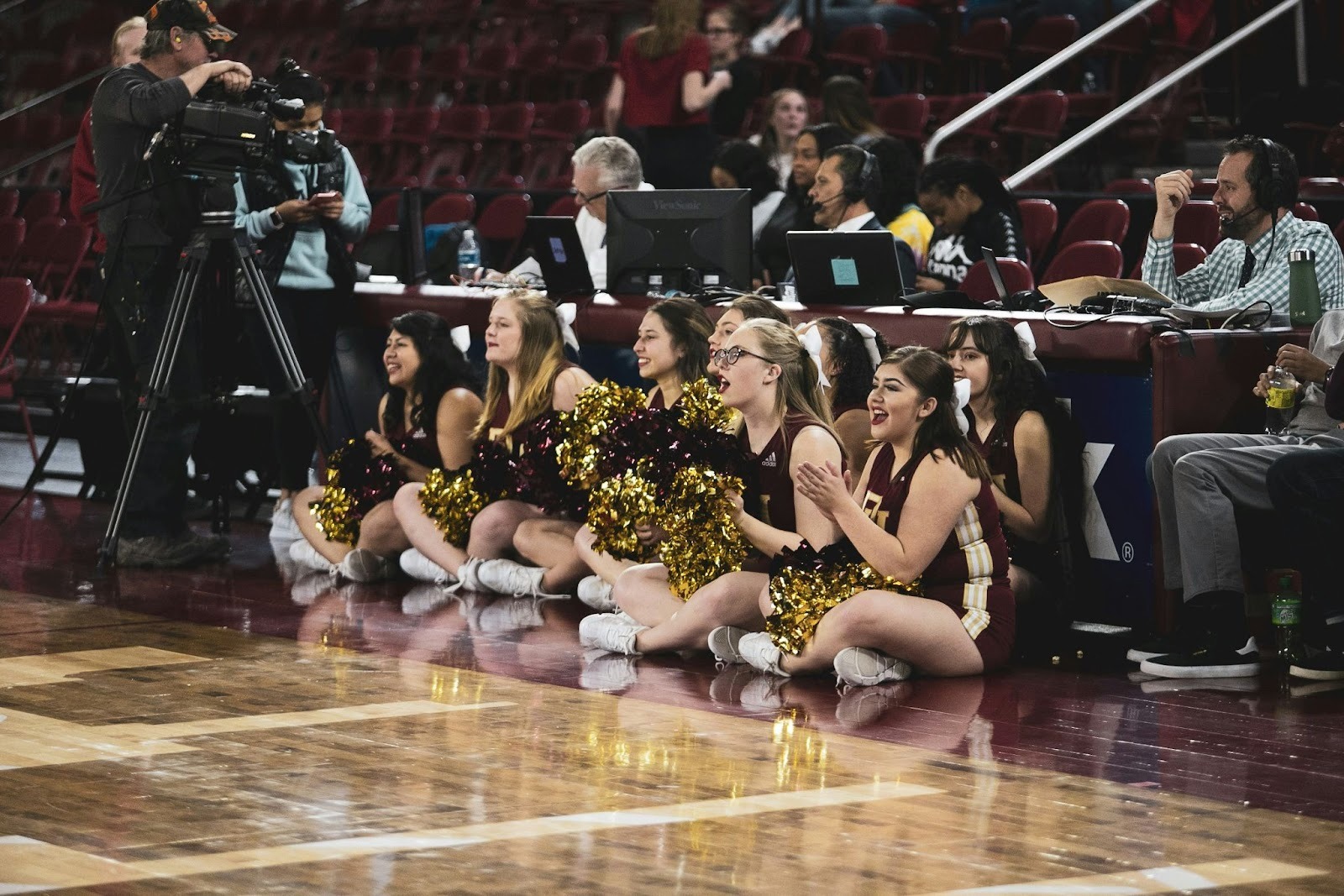
Cheerleading helps athletes build strong bonds with their team while staying active and engaged. At every level, classes focus on keeping kids moving and teaching important life skills. With a mix of cardio, dance, and strength training, cheerleading improves physical fitness while building confidence, coordination, and teamwork. It’s easy to see why it’s such a popular activity for kids and youth today.
Conclusion
Designing cheerleading classes around age-appropriate stages ensures every athlete gets exactly what they need at the right time. When programs intentionally evolve with a child’s growth, cheerleading becomes more than a sport; it becomes a journey of strength, leadership, and self-belief.
At every level, the core values remain the same: growth, teamwork, discipline, and fun. When classes are engaging and thoughtfully structured, athletes don’t just learn routines.
And as your cheer program grows, having the right systems in place matters just as much as the right drills. From managing registrations and class schedules to handling payments, waivers, and communication with parents, Omnify helps cheer gyms and youth programs run smoothly behind the scenes — so you can focus on coaching, building teams, and creating unforgettable performances.
Ready to streamline your cheer program operations? Explore how Omnify can help you manage and grow your classes with ease. Go team!
Explore creative kids' cheerleading program ideas for every level. Learn how to design fun, age-appropriate classes that build skills, confidence, & teamwork.