.webp)
How to Open a Badminton Court Business in the US: A Complete Guide
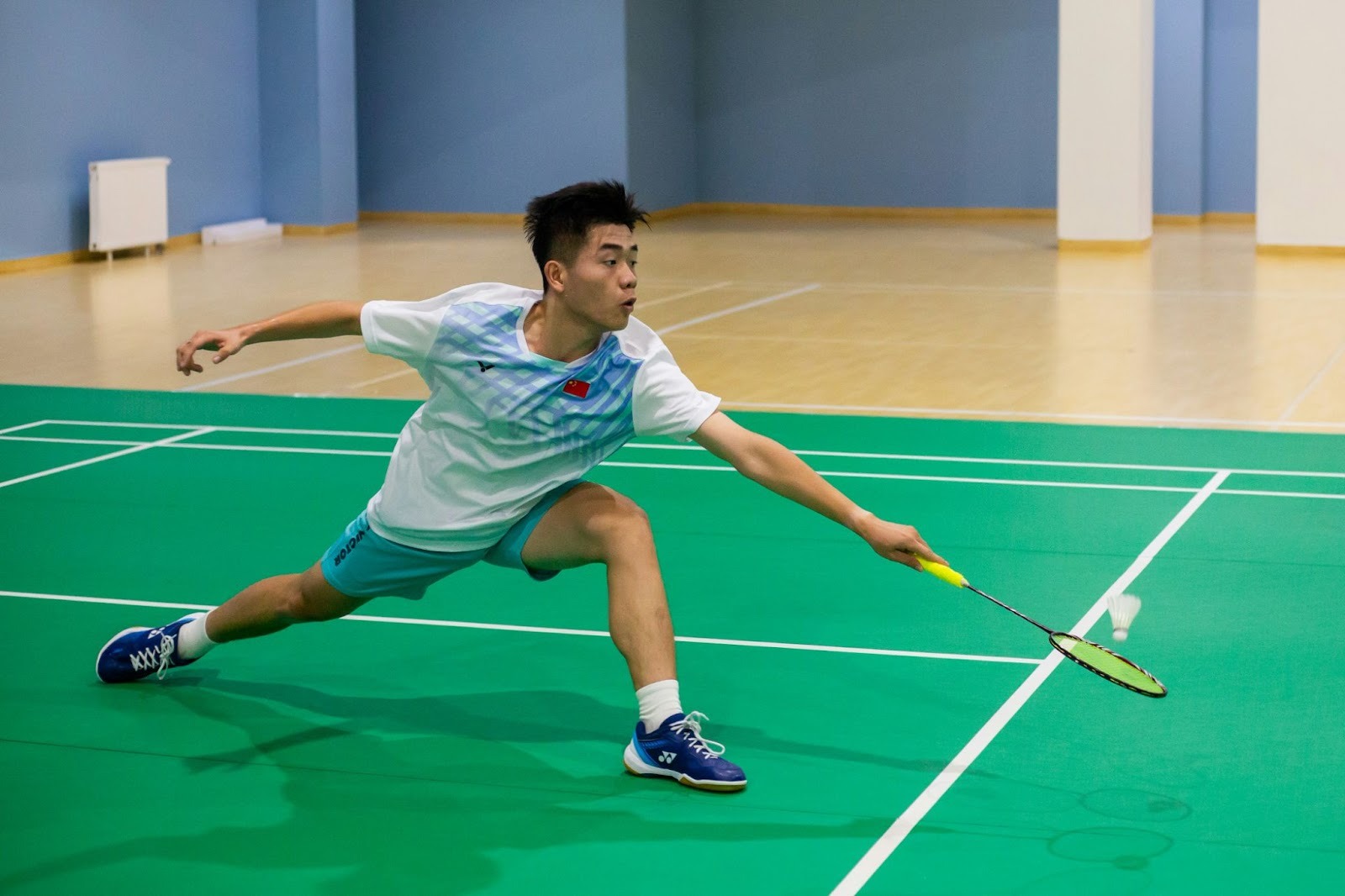
Badminton is one of the fastest-growing recreational sports in the United States. Driven by a large and active South Asian diaspora, growing interest in low-impact fitness, and a shortage of dedicated facilities, demand for badminton courts is outpacing supply in most major metros. It has been noted in recent studies that the badminton equipment and products market in the United States is projected to reach $1,154.8 million by 2030, growing at a compound annual growth rate (CAGR) of 5.4% between 2024 and 2030. This also means that the demand for badminton has been continuously increasing and it is hoped to surge further.
In the light of this development, if you've been thinking about opening a badminton facility, the timing is good. But like any brick-and-mortar sports business, success depends less on enthusiasm and more on execution. Here's what you actually need to get it right.
Badminton is gaining popularity across the United States as more people look for accessible, social, and high-intensity sports. From recreational players to competitive athletes and youth training programs, the demand for quality badminton facilities is growing in many cities.
For entrepreneurs, this creates a strong opportunity. With the right location, facility setup, and operational systems, badminton centers can generate revenue through court bookings, training programs, memberships, and tournaments.
Steps to launch your Badminton Court:
- Evaluate the local market before you sign a lease
- Find the right space
- Understand facility requirements
- Sort your legal and business setup early
- Hire qualified coaches and staff
- Build a revenue model that works from day one
- Get your operations infrastructure right
- Market your badminton facility
- Build the community before the courts open
This guide walks you through the key steps to launching a successful badminton facility in the U.S.
1. Evaluate the Local Market Before You Sign a Lease

Before investing in a badminton facility, it’s essential to understand the demand in your specific location or area. The cities with the strongest early demand tend to be those with large South Asian, Southeast Asian, and East Asian communities, such as Houston, Dallas, Seattle, San Jose, Chicago, and Atlanta. But smaller markets are opening up fast, too.
2. Find the Right Space
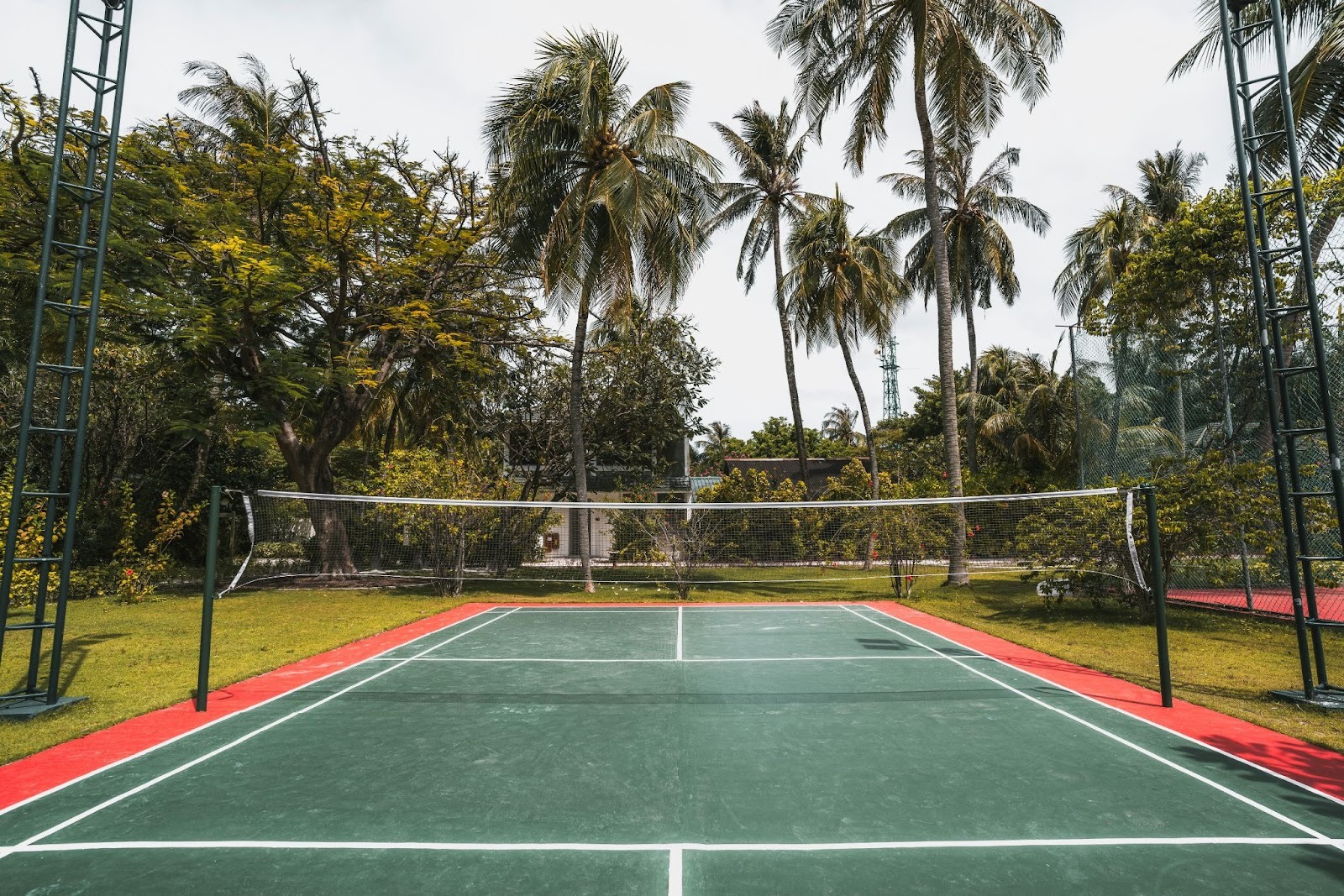
This is where most new facility owners underestimate the complexity. Location plays a major role in the success of a badminton business. A standard badminton court is 20 x 44 feet. But you need ceiling clearance of at least 25–30 feet for competitive play, which rules out most standard commercial spaces. Typical badminton facilities operate with 4–12 courts, depending on the building size. Fewer courts make it hard to run leagues, coaching programs, and open play simultaneously. Most successful standalone facilities run 8–16 courts.
Warehouse-style buildings, indoor sports complexes, and converted gyms often work well for badminton centers.
Budget for significant build-out costs: flooring (PVC or wooden sprung), court lines, lighting (LED systems designed for badminton), nets, and HVAC. A rough build-out for a 6-court facility typically runs $150,000–$350,000, depending on the condition of the space.
3. Understand Facility Requirements
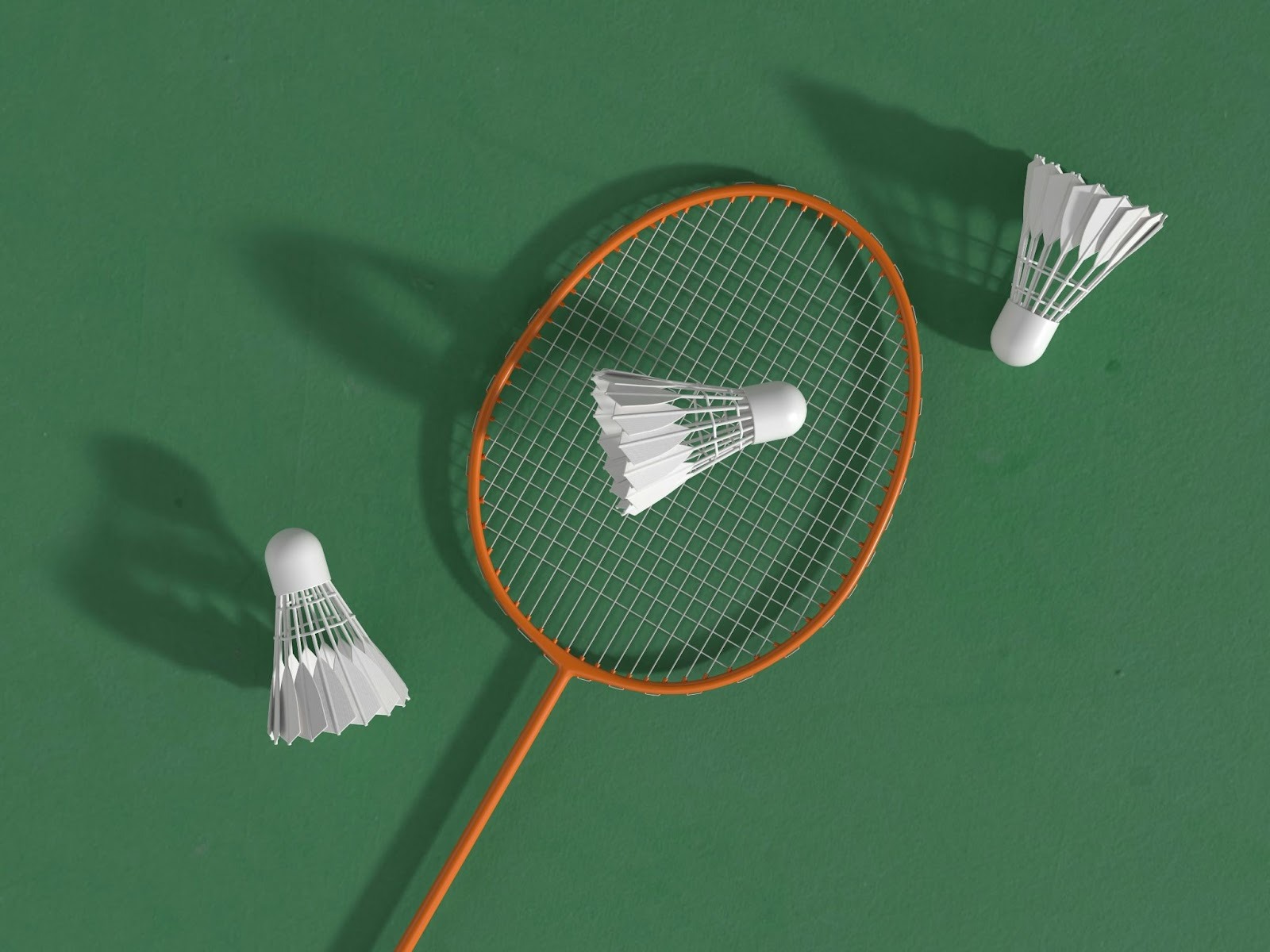
A well-designed facility is the backbone of a successful badminton court business. Unlike many recreational sports, badminton requires specific court dimensions, ceiling clearance, lighting, and flooring conditions to ensure safe and high-quality gameplay. Poor facility planning can affect player experience and limit your ability to host coaching programs, tournaments, or competitive events.
A. Court Dimensions and Layout: Badminton courts follow standardized measurements established by the Badminton World Federation (BWF).
B. Flooring Requirements: Badminton is a high-movement sport that involves quick lateral motion, jumps, and lunges. Proper flooring reduces the risk of injuries and improves performance.
C. Lighting Setup
Lighting plays a major role in badminton because players frequently track a fast-moving shuttlecock in the air.
D. Net Systems and Equipment
Each badminton court requires professional-grade equipment, including:
- Regulation-height badminton nets
- Adjustable net posts
- Boundary court markings
- Shuttlecock storage and equipment racks
By investing in the right facility design and equipment from the start, you create a professional playing environment that attracts both recreational players and serious athletes.
4. Sort Your Legal and Business Setup Early
Like any sports facility, badminton centers must comply with local regulations. Don't skip this step or leave it late. You'll need:
- Business entity (LLC is most common for liability protection)
- EIN from the IRS
- Local business license and any sports/recreation-specific permits your city requires
- Local permits and zoning approvals
- Certificate of occupancy for your space after build-out
- Liability waivers for all members and walk-ins
- General liability insurance — essential before you open a single door
- Safety compliance for sports facilities
*Consult a local attorney familiar with sports or fitness businesses. The upfront cost is worth it.
5. Hire Qualified Coaches and Staff

The quality of your coaching team can be one of the biggest differentiators for a badminton facility. Many players, especially parents enrolling their children, evaluate a center not just by its courts but by the coaching expertise and training environment it offers.
Start by hiring certified and experienced coaches who have formal training or competitive playing experience. In the U.S., badminton coaches may hold certifications from organizations such as:
- USA Badminton (USAB)
- Badminton World Federation (BWF) coaching programs
- Local or international coaching certifications
Experienced coaches bring structured training methods, safety awareness, and credibility to your facility. Competitive players and parents are far more likely to trust a facility that offers professional coaching.
6. Build a Revenue Model That Works From Day One
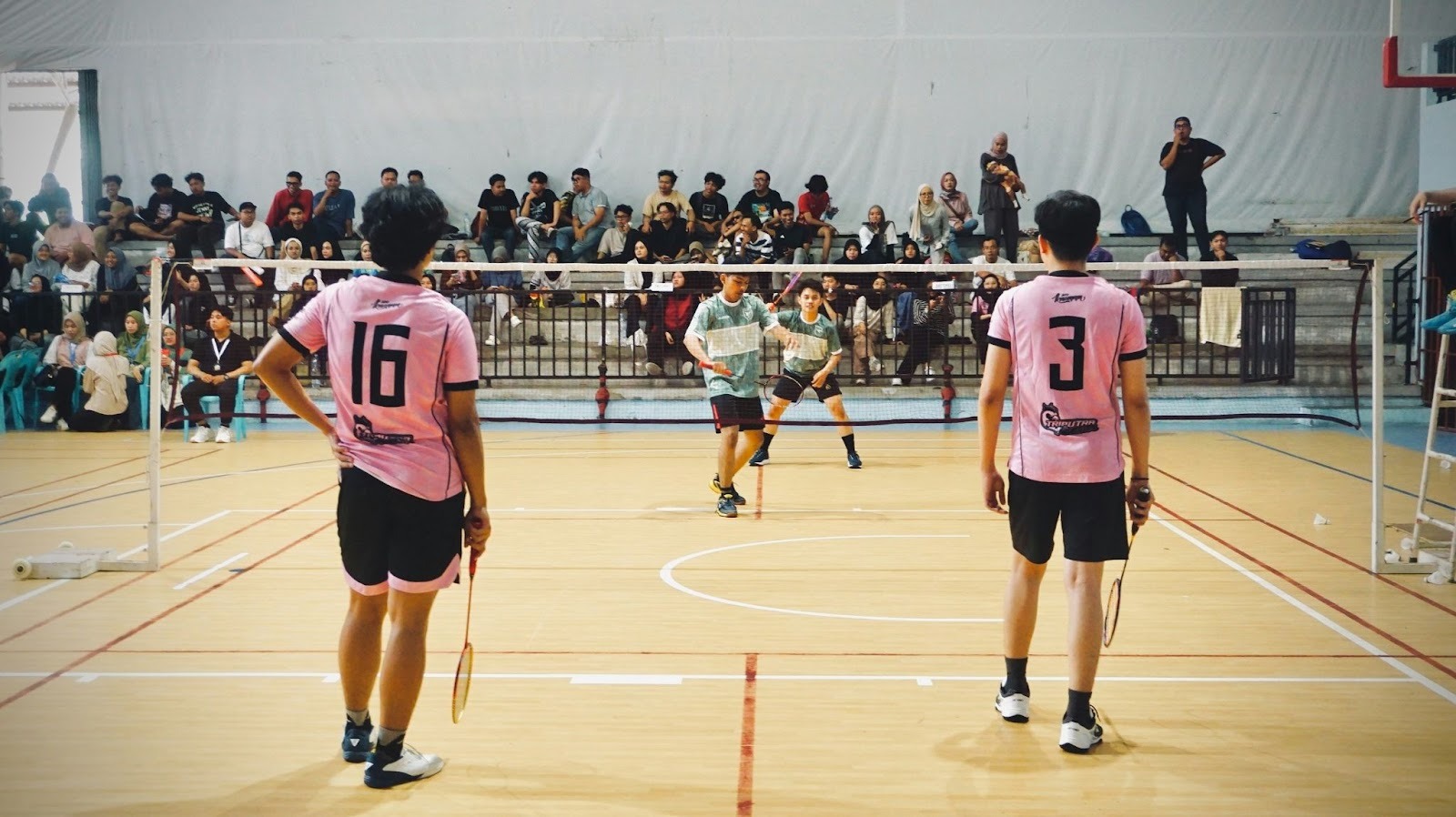
This is where a lot of new facilities get into trouble they open with just drop-in court rentals and wonder why cash flow is tight. Successful badminton centers rarely rely on court rentals alone. Instead, they build diverse revenue streams.
A strong badminton facility typically runs multiple revenue streams:
- Court rentals- Hourly bookings for casual players and groups.
- Memberships- monthly or annual plans that offer discounted rates and priority booking for regular players; this is your most important revenue lever for predictability
- Coaching programs- beginner clinics, junior academies, private lessons, private lessons, youth development programs, and group training sessions.
- Leagues and tournaments- Hosting competitions can bring additional revenue and increase visibility, like weekly round robins, seasonal leagues, and open tournaments
- Camps- Seasonal training camps and skill workshops, like school holiday camps, junior development intensives
- Product Sales- Selling rackets, shuttlecocks, shoes, grips, and apparel.
7. Get Your Operations Infrastructure Right

A busy badminton facility with 8+ courts, open play, coaching sessions, and league nights running simultaneously is operationally complex. Managing court reservations manually can quickly become chaotic as demand grows.
Getting this right from day one matters more than most new owners realize. The facilities that scale smoothly are the ones that built operational discipline early — not the ones scrambling to fix broken systems six months in.
You need an online booking system that handles:
- A personalized online storefront that clearly displays coaching classes and programs, court availability, camp schedules, pricing and memberships, availability of coaches and so on.
- Online court booking with real-time availability, 24/7
- Membership management and automated recurring billing
- Organize program and camp registrations
- Efficiently manage staff scheduling
- Payments and invoicing
- Attendance tracking and reporting
- Manage capacity for peak-time demand
- Send automated reminders, and so much more!
8. Market Your Badminton Facility
Opening a badminton facility is only the first step; consistent marketing is essential to attract players and build a loyal community. Start by improving local discoverability.
Ensure your facility appears in searches like “badminton courts near me” by optimizing your Google Business Profile, encouraging customer reviews, and maintaining a simple website with clear details on bookings, coaching programs, and pricing.
For more information on improving Local SEO, read our blog on how to get your business listed locally and get found!
Moreover, encourage your court discoverability by creating entry points for new players. Host beginner classes, open play sessions, and introductory clinics can help people who are curious about the sport get started.
Partnering with schools, universities, and corporate wellness programs can also bring in steady groups and increase visibility in your community.
9. Build the Community Before the Courts Open

Finally, focus on building a badminton community around your facility. Hosting leagues, tournaments, and skill workshops encourages repeat visits and word-of-mouth referrals. When players feel part of an active community, they’re more likely to return regularly and bring others along. The most successful badminton facilities don't just open their doors and wait. They build an audience first.
Your first 100 members are the hardest to get. They're also the ones who will fill your courts, refer their friends, and show up to your first league night. Treat them accordingly.
Conclusion
A well-run badminton facility in a strong market is a genuinely good business. Recurring membership revenue, high court utilization, and a passionate player community create a sticky, defensible business that's hard to replicate quickly. But it takes real capital, operational discipline, and community-building to get there. The facilities that fail usually skipped one of those three.
Get all three right, and you'll have courts that are booked weeks out and a waitlist for memberships.
Omnify helps badminton facilities manage court bookings, memberships, coaching programs, and payments from one platform- built for multi-court operations and growing sports businesses.
Planning to open a badminton facility? Learn why badminton is growing in the U.S. and what you need to start and run a successful sports business.