.webp)
How to Retain Students in STEM Programs From Beginner to Advanced
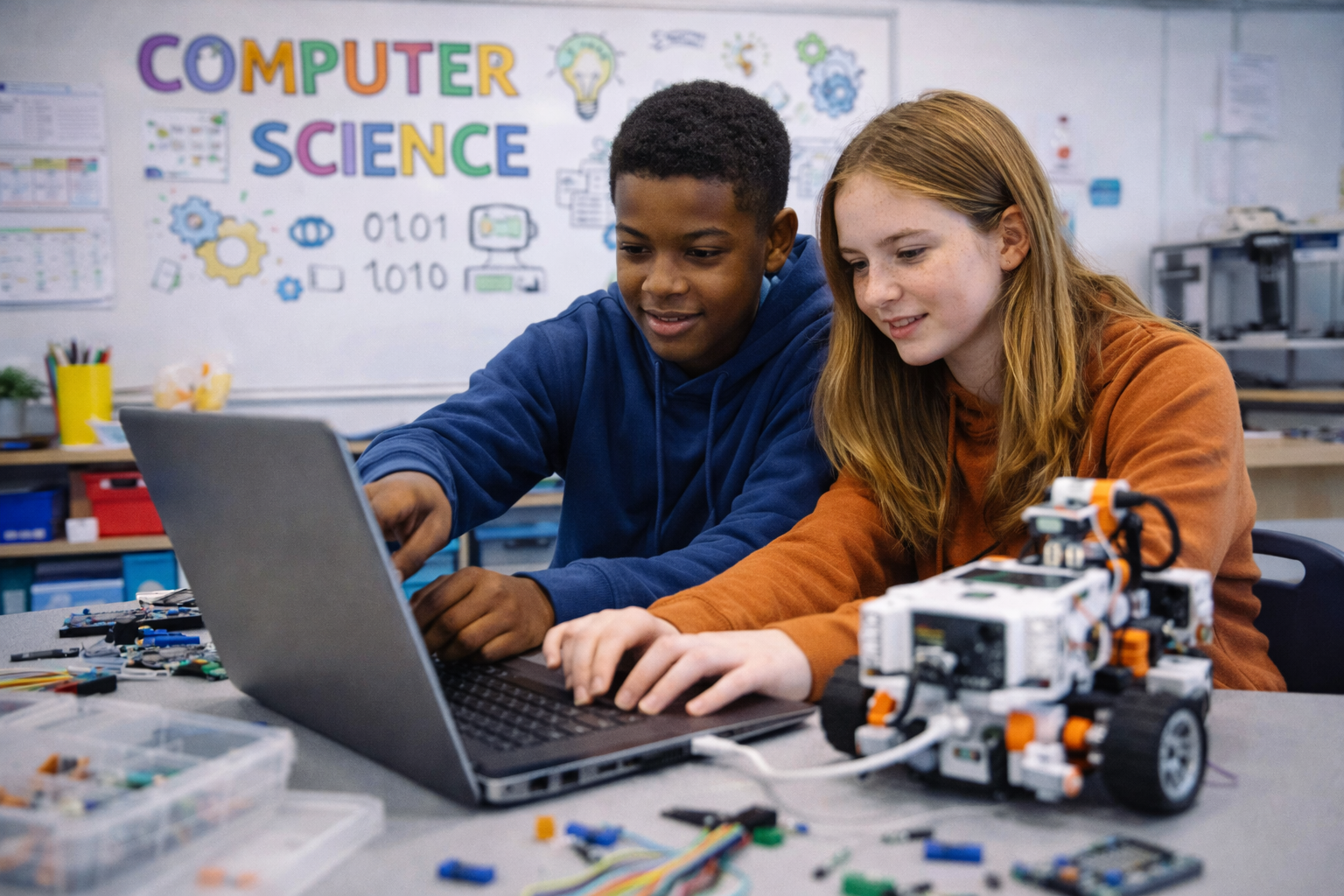
If you run a STEM program at a kids' activity center or afterschool program, you already know the pattern. A student shows up to their first robotics or coding class completely lit up — asking questions, staying late, telling their parents they want to be an engineer. Then, a few months in, they quietly stop coming.
No complaint. No cancellation call. They just fade out.
And the frustrating part? It rarely has anything to do with your curriculum. STEM programs don't usually lose students in one dramatic moment. The drop-off happens quietly, after the first few sessions, during the transition from beginner to intermediate, or just before students reach your advanced cohorts.
For activity center operators, the stakes are real. Your students have no shortage of alternatives - sports, arts, tutoring, and gaming. If the experience doesn't evolve as they progress, even genuinely curious kids will move on to the next thing.
But academic ability is rarely the main reason. Studies consistently point to belonging, engagement, mentorship, and learning environment as the factors that drive persistence more than grades alone.
That means the question you actually need to be asking isn't "How do I teach STEM?" It's: "How do I design a program that students want to stay in from their very first beginner class all the way to advanced levels?"
This article walks you through exactly that.
How Do You Keep Kids Interested in STEM Programs Long Term?
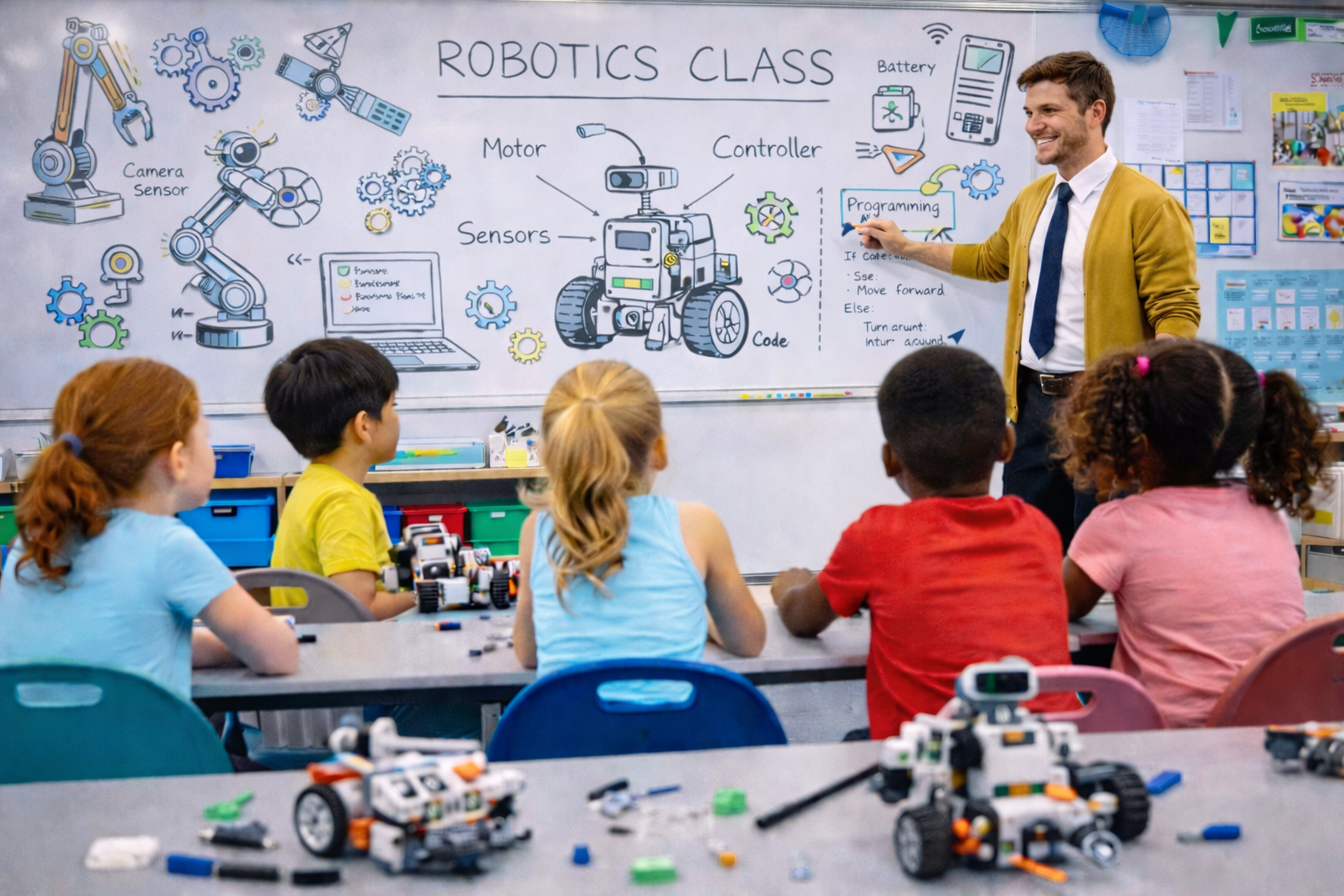
Keeping students in STEM programs requires more than great lessons. Successful programs create engaging experiences that grow with students as they move from beginner to advanced levels.
- Start Strong: Make the First Few Weeks Count
- Design a Clear Learning Progression
- Improve Peer Connection
- Address Practical Problems
- Hire Talented and Consistent Instructors
- Connect your Programs to Real Careers
- Track Engagement Data
- Keep Advanced Students Challenged
- Engage Parents as Partners
Let’s see these in detail-
1. Start Strong: Make the First Few Weeks Count
The first impression of any STEM program is everything. Kids form their opinion about whether a subject is 'for them' within just a few sessions. If the early experience feels boring, too hard, or unwelcoming, you have already lost them.
78% of students said they had a more positive attitude about STEM because of their afterschool experience.
That statistic only holds when the afterschool experience is designed well. Here is how to engineer those early wins:
- Lead with curiosity, not curriculum. Start with a problem or challenge that feels exciting and real 'Can we build a bridge strong enough to hold 50 pennies?' beats 'Today we will learn about structural engineering.'
- Celebrate small wins loudly. For beginners, every breakthrough matters. When a kid gets their first LED to light up or their code to run without errors, make it a moment.
- Keep early sessions hands-on. Research shows that STEM career expectations formed in childhood directly predict future degree attainment. That foundation is built through doing, not listening.
A quick diagnostic at enrollment asking kids what excites them about science, tech, or building can help instructors personalize early experiences before burnout even becomes a possibility.
2. Design a Clear Learning Progression
One of the fastest ways to lose a student is to have them feel like they are spinning their wheels doing the same type of activity week after week with no sense of growth. A structured, visible progression is non-negotiable for retention in your afterschool center.
Design Tiered Levels, Not Just Age Groups
Grouping kids purely by age ignores skill gaps and can cause frustration on both ends of the spectrum. Instead, build tiered tracks:
- Explorer Level (Beginners): Introduction to concepts through guided projects with high support.
- Builder Level (Intermediate): Open-ended challenges where students apply concepts with moderate guidance.
- Innovator Level (Advanced): Student-led projects, competitions, and mentorship opportunities.
This kind of tiering creates something powerful: a visible path forward. Kids can see where they are headed, which gives them a reason to stay.
3. Improve Peer Connection

Here is something that often gets overlooked in STEM program design: kids do not just come back for the robots or the code they come back for their friends.
Think about it: if a student enjoys building robots but doesn’t feel connected to the group, it’s easy for them to switch to another activity like sports or music. But when students build friendships inside the program, the class becomes something they look forward to each week.
Practical ways to build belonging:
- Team-based challenges: Pair kids across skill levels so advanced learners mentor beginners, and everyone contributes something meaningful.
- Cohort consistency: Try to keep the same group of kids together across a semester or year, so friendships have time to develop.
- Family events and showcases: A STEM showcase night where kids present their projects to parents is both a retention tool and a marketing win for your program.
- Peer recognition: Create simple rituals like a weekly shoutout board where students celebrate each other's breakthroughs.
Encourage students to collaborate on longer-term projects, such as building a team robot for a competition or creating a game together over several weeks. When students work toward a shared goal, they form stronger bonds — and those bonds become one of the most powerful reasons they continue returning to your program.
4. Address Practical Problems
Even the best STEM program in the world loses students to logistics. Transportation, cost, and scheduling conflicts are among the most commonly cited dropout triggers.
For example, a student might love building robots in class, but if the program time clashes with sports practice or a parent’s work schedule, continuing becomes difficult. Similarly, families managing multiple children may struggle to coordinate drop-offs, pickups, and different activity schedules.
When these practical barriers aren’t addressed, even highly motivated students may drop out of your afterschool center simply because participation becomes inconvenient.
Strategies to reduce attrition from these real-world barriers:
- Sliding scale pricing: Offer tiered tuition so cost is not the reason a motivated kid drops out.
- Flexible scheduling: Run sessions at multiple times, offer makeup classes, or record key content so kids who miss a session do not fall behind and feel like quitting.
- Sibling-inclusive policies: Programs that invite younger siblings alongside older participants remove a major barrier for girls and caregiving-age kids.
- Partnerships with schools: Programs embedded in school buildings or offered directly after school eliminate the transportation problem entirely.
5. Hire Talented and Consistent Instructors
One of the biggest factors influencing whether students stay in your afterschool center is the instructor. For many kids, their relationship with the person teaching the class determines whether the experience feels exciting, supportive, or frustrating.
A great STEM instructor does more than explain concepts. They make learning personal and engaging.
What great STEM instructors do differently?
- They connect STEM to students' real interests. A kid obsessed with Minecraft? Teach game logic and coding through that lens. A soccer fan? Explore physics through ball trajectories and drag.
- They ask more questions than they answer. Curiosity-driven teaching keeps kids intellectually active and more likely to return.
- They track individual progress and follow up. A simple check-in - 'Hey, last week you struggled with that if-else loop, want to tackle it again today?'- shows kids they are seen as individuals.
Consistency also plays a key role. When students see the same instructor regularly, trust and confidence grow over time. Programs that frequently rotate instructors often struggle with retention because students lose that sense of familiarity and mentorship.
6. Connect your Programs to Real Careers
One of the most effective ways to keep kids engaged in STEM programs is helping them see how what they’re learning connects to real careers. When students can imagine themselves as future engineers, game developers, scientists, or inventors, the work they’re doing in class suddenly feels more meaningful.
And this doesn’t have to wait until high school. Even younger students respond strongly when STEM learning is framed around real-world impact and possibilities.
Ways to make STEM careers feel real and exciting:
- Invite engineers, coders, scientists, or entrepreneurs to talk about their work. Hearing directly from people in STEM fields helps students understand how classroom skills translate into real jobs.
- Instead of presenting activities as simple exercises, position them as real problems to solve. For example, saying “A hospital needs an app to help nurses track patients” creates a stronger sense of purpose than simply saying “Let’s build an app.”
- Visits to technology companies, science labs, or engineering facilities or even virtual tours of places like NASA or tech startups allow students to see STEM in action.
These experiences can also help students build broader NACE career readiness competencies such as communication, teamwork, technology, and problem-solving that support the transition from learning to future careers.
7. Track Engagement Data

The most successful STEM programs don’t wait until a student disappears. They look for early signals of disengagement and step in before a small issue turns into a dropout.
In many cases, the warning signs appear weeks before a student actually leaves the program. Paying attention to these patterns helps instructors respond early and keep students on track.
Key signals to watch:
- Attendance drops: A student who goes from attending 4 out of 4 sessions to 2 out of 4 is showing you something. Reach out before it becomes 0 out of 4.
- Engagement dips: Kids who were once excited but now seem disengaged during activities may be bored (a sign they need harder challenges) or lost (a sign they need more support).
- Parent communication gaps: When parents stop engaging with program updates or event invitations, students often stop showing up soon after.
Programs that track these patterns consistently are much better positioned to keep students engaged. In fact, research published in the International Journal of STEM Education found that students who participate in STEM activities for at least four weeks show significantly higher engagement and interest in STEM fields, while those who leave earlier experience far fewer positive outcomes.
8. Keep Advanced Students Challenged
Here is a segment that often gets overlooked in retention discussions: the advanced learners. Programs tend to focus on getting beginners hooked, but advanced students have their own dropout risk they age out, get bored, or simply run out of runway.
Strategies for retaining advanced students:
- Competitions and showcases: Science fairs, robotics tournaments, hackathons, and app challenges give advanced students external motivation and a peer community beyond your program.
- Mentorship roles: Give advanced students the opportunity to co-teach or mentor beginners. This deepens their own understanding while making them feel like leaders.
- University and industry partnerships: Connecting advanced students with college labs, internship previews, or project partnerships with local companies creates a pathway they do not want to step off of.
- Open-ended capstone projects: Let advanced students design and pitch their own project ideas rather than following a prescribed curriculum. Ownership dramatically increases commitment.
9. Engage Parents as Partners
Parents play a much bigger role in student retention than many STEM programs realize. When parents clearly understand what their child is learning and see the progress being made, they’re far more likely to support continued participation — even when schedules get busy or other activities compete for attention.
Instead of treating parents as passive observers, successful STEM programs involve them as active partners in the learning journey.
How to make parents active retention partners:
- Regular progress updates: A brief weekly message about what their child worked on keeps STEM learning visible at home.
- Take-home challenges: Simple activities kids can share with their parents bridge the gap between program and home life.
- Parent showcase nights: Invite families to see final projects. Nothing builds program loyalty faster than a parent watching their kid confidently explain how they coded a game or built a working circuit.
Make it easy for parents to follow their child’s progress by sharing photos, short project videos, or brief summaries after each session. When families can see the excitement and growth firsthand, they’re more likely to keep their child engaged in the program long term.
Final Thoughts
Retaining students in kids’ STEM programs isn’t just about teaching coding, robotics, or engineering concepts. It’s about designing an experience that keeps students curious, challenged, and connected as they grow.
Students stay when they can see their progress, build meaningful projects, form friendships in the classroom, and feel supported by instructors who understand their interests. Programs that create clear learning pathways, celebrate milestones, and connect STEM learning to real-world possibilities give students a reason to keep coming back.
Just as importantly, retention improves when programs pay attention to the entire ecosystem around the student from instructor consistency and peer community to parent engagement and practical logistics. The most successful STEM programs don’t treat retention as an afterthought. They build it into the program design from day one.
Tools like Omnify can help STEM program operators manage enrollments, track attendance and student progress, communicate with parents, and streamline scheduling making it easier to support students from beginner classes all the way to advanced programs. You can explore how it works with a 14-day free trial.
Because when students stay longer, they don’t just learn more skills they begin to see themselves as creators, innovators, and future problem-solvers. And that’s where the real impact of STEM education begins.
Learn how to retain students in kids’ STEM programs from beginner to advanced with strategies for engagement, mentorship, community building, & program design.