.webp)
Managing Flu Season in Kids’ Activity Centres (Without Losing Revenue)
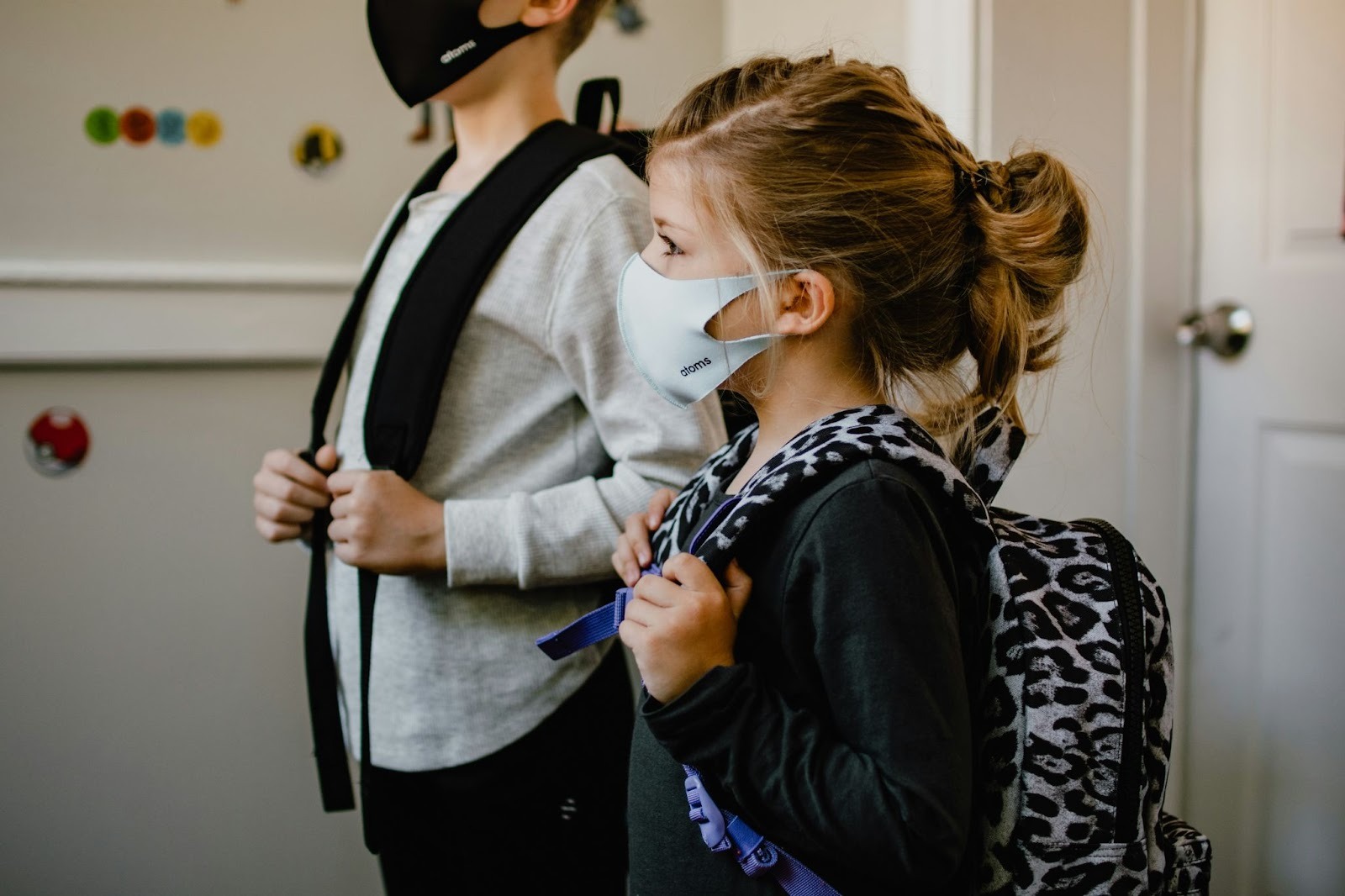
Flu season is predictable, but for most kids’ activity centres, its impact isn’t managed that way.
Every year in the US, flu activity begins rising in the fall, peaks between December and February, and lingers for weeks. And when it hits, you feel it immediately. Attendance drops, make-up requests surge, and even the most well-planned schedules start to break down. In peak weeks, absences can nearly double, turning day-to-day operations into a constant juggling act.
But here’s the real problem: It’s not the illness that disrupts your business. It’s everything that follows. Empty spots, overloaded sessions, frustrated parents and eventually, cancellations. The centres that struggle treat flu season as an unavoidable dip. The ones that succeed treat it as an operational scenario they’ve already planned for.
Because while you can’t control when kids get sick, you can absolutely control how your business responds.
That’s exactly what we’ll cover in this blog- how to handle attendance drops, manage capacity smoothly, and keep families engaged so flu season doesn’t turn into a revenue problem. More importantly, you’ll see how high-performing centres strike the right balance: allowing kids the time they need to rest, while still managing missed classes efficiently and keeping revenue steady without added chaos.
Seasonal impact benchmarks and what to plan for
1. Seasonality you can plan around-
There’s no standardized benchmark for attendance drops in kids’ activity centres like gymnastics, swim, or music classes. But we can look at reliable proxies from similar child group settings. For example, a UK multi-school study found average illness-related absence rates of around 3–3.4% across a season, with peak weeks rising to 4.1–6.8%, essentially a doubling at the highest point. For operators, this provides a useful planning baseline: if your typical absence rate is around 3–5%, it’s reasonable to expect an additional 3–4 percentage-point increase during peak flu weeks, often sustained over several weeks. In practice, this isn’t just an attendance issue; it quickly becomes a capacity and staffing challenge first, and a retention risk soon after.
2. Attendance-drop benchmarks
In the US, flu season leads to millions of missed school days each year, and during local outbreaks, some schools see absence rates spike dramatically, even reaching double-digit percentages in severe weeks.
During outbreaks, absenteeism can spike sharply. Some districts have reported 20%+ of students absent at once during severe flu waves. While baseline absence rates vary, the pattern is consistent: attendance rises and falls in line with flu activity, creating short but intense periods of disruption.
How do parents and kids perceive children’s activity centers during flu season?
When a child misses sessions, it leads to a number of problems-
- Parents feel like they’re wasting money
- Kids lose continuity and confidence
- Scheduling becomes harder
- And slowly, the idea of “continuing” feels less important

Research from group settings shows that illness-related absences can roughly double during peak weeks. That’s a big shift and if you’re not prepared, it creates pressure across your entire system.
So flu season isn’t just a health challenge. It’s an operations and retention challenge.
4 things you can do to protect your business during flu season
The most resilient centres follow a simple structure:
- Make it easy for families to miss classes without losing value
- Keep your schedule stable even with fluctuating attendance
- Stay connected with families so they don’t disengage
- Allow short-term health buffers
Let’s break each of these down.
1. Make it easy for families to miss classes without losing value

When a child misses a class, the parent immediately asks: “Did I just lose money?” If the answer feels like “yes,” frustration builds quickly. And frustrated parents don’t stay long.
This is why your policies matter more during flu season than at any other time. Instead of refunds or rigid rules, the goal is to offer flexibility without losing control.
A well-designed make-up policy can make a significant difference during periods of high absences. Instead of offering refunds, providing make-up credits helps retain revenue while still giving parents flexibility.
Setting clear expiry windows, such as 30 to 60 days, ensures these credits are used in a timely manner, preventing long-term scheduling backlogs. It’s also important to limit how many credits can be accumulated at once, so operations don’t become unmanageable. When combined with easy, self-serve rescheduling, this approach reduces friction for parents while keeping your systems organized.
Ultimately, it reassures families that they’re not losing value when their child misses a class, while protecting your business from revenue loss and operational chaos.
2. Keep your schedule stable even with fluctuating attendance
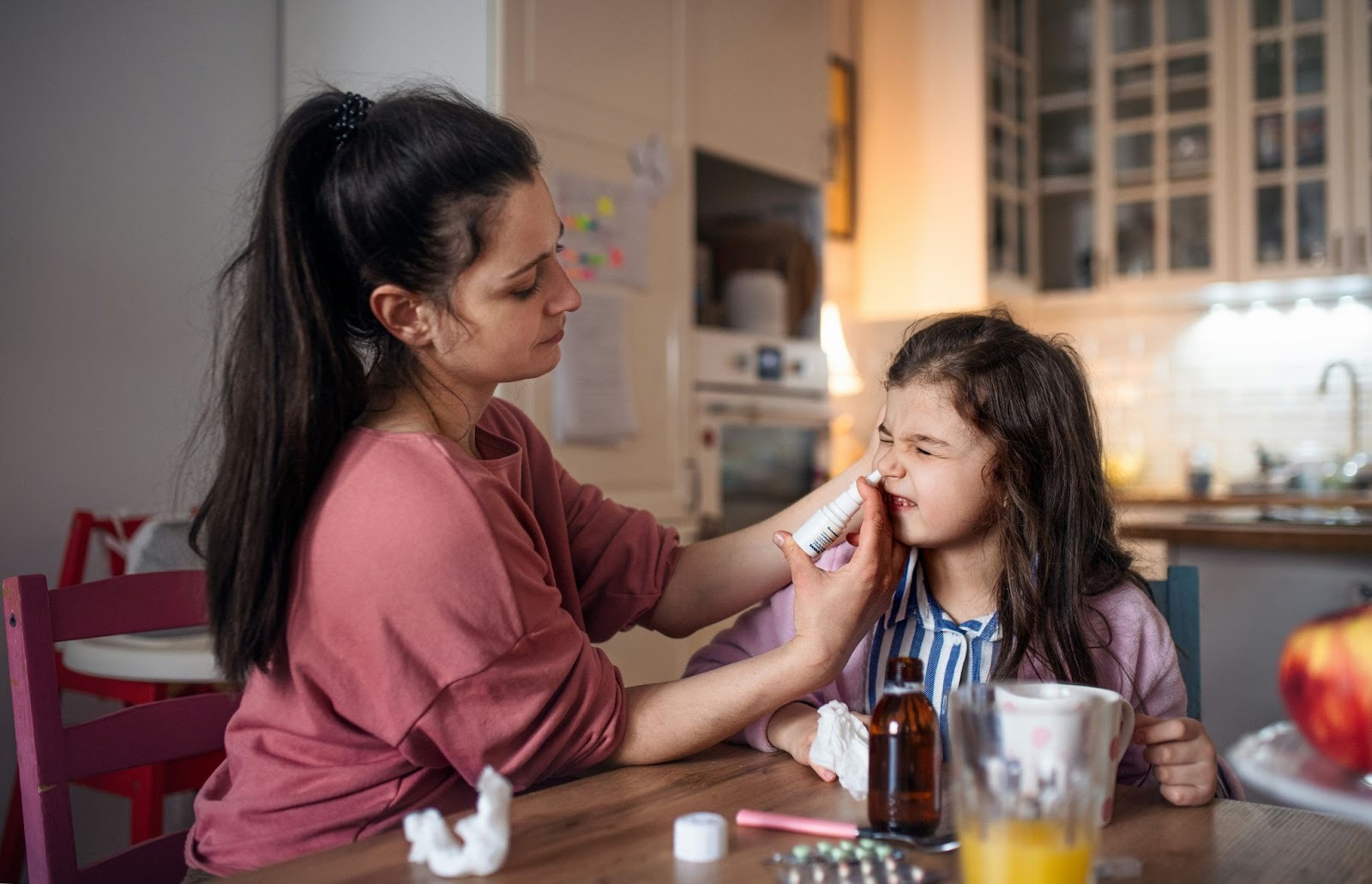
Flu season doesn’t just impact attendance; it disrupts your entire schedule. When absences increase, your timetable quickly becomes uneven: some classes run half empty, while others get overcrowded with make-ups. Meanwhile, your staff is left scrambling to adjust, often at the last minute.
This kind of imbalance creates both lost revenue and operational stress. Empty slots mean missed opportunities, and overloaded sessions affect the experience for both kids and instructors.
The solution is to treat your capacity like inventory. It needs to be actively managed, not passively filled. Just like you wouldn’t leave products unsold on a shelf, you shouldn’t let class spots go unused. With the right systems in place like waitlists, flexible rescheduling, and real-time availability, you can fill gaps quickly, balance class sizes, and keep your schedule running smoothly even when attendance fluctuates.
3. Stay connected with families so they don’t disengage

Staying connected with families during absences is one of the most overlooked but most critical parts of managing flu season. When kids miss classes, parents often start to feel like they’ve fallen behind or aren’t getting full value. Left unaddressed, that feeling can quietly turn into disengagement and disengaged families are far more likely to drop out over time.
Consistent, proactive communication helps in such situations. A simple message acknowledging the absence, reminding them about make-up options, or helping them rebook can go a long way. It reassures parents that they’re still on track and that your centre is supporting them. Small touchpoints like these keep families engaged, even when attendance dips and that’s what ultimately protects retention.
As long as parents can see continued progress, even after a break, they’re far more likely to stay committed. In that sense, communication doesn’t just fill gaps—it turns missed classes into continued engagement.
4. Allow short-term health buffers
During flu season, pricing and promotions should focus on flexibility rather than discounts. Activity centers should aim for long-term experience gain around how smooth they make it for kids and parents to adapt to the situation. Even CDC encourages organisations to support staying home when sick and even notes flexible cancellation/refund policies as a prevention support.
Hence, measures like a short-term “health buffer” pass allow families to pause attendance for 7–14 days and receive equivalent class credits instead of refunds. This reassures parents that they won’t lose value if their child is unwell, while also keeping revenue intact. This approach also aligns with public health guidance, which encourages families to stay home when sick without feeling financially penalized.
Along with that, if the kid is from the same family, then a family or sibling add-on offer might also help. For instance, allowing a sibling to join at a reduced rate for a limited period helps maintain the family’s routine, even if one child attends irregularly. It keeps engagement high across the household and strengthens long-term retention.

The key idea is simple- when families feel supported and not “locked in,” they’re far less likely to cancel. By designing offers that reduce pressure instead of price, you protect both your revenue and your brand.
Conclusion
Flu season may be predictable, but how it impacts your business is entirely within your control. The most resilient centres aren’t trying to prevent absences; they’re building systems that can handle them without disruption. By making it easy for families to manage missed classes, keeping your schedule balanced even when attendance fluctuates, and staying consistently connected with parents, you turn a potentially stressful period into a manageable one.
That’s exactly where the right tools make all the difference. With Omnify, you can streamline registrations, enable flexible scheduling, manage capacity in real time, keep communication seamless, manage memberships, take care of missed classes, allow waitlists and give class credits, discounts or refunds, anything that works for you- all from one place. So instead of reacting to flu season, you’re fully prepared for it.
Learn how kids’ activity centres can manage flu season without losing revenue. Reduce cancellations, handle attendance drops, and keep families engaged with the