.webp)
Best Practices for Running a Youth Cheerleading Camp in 2026
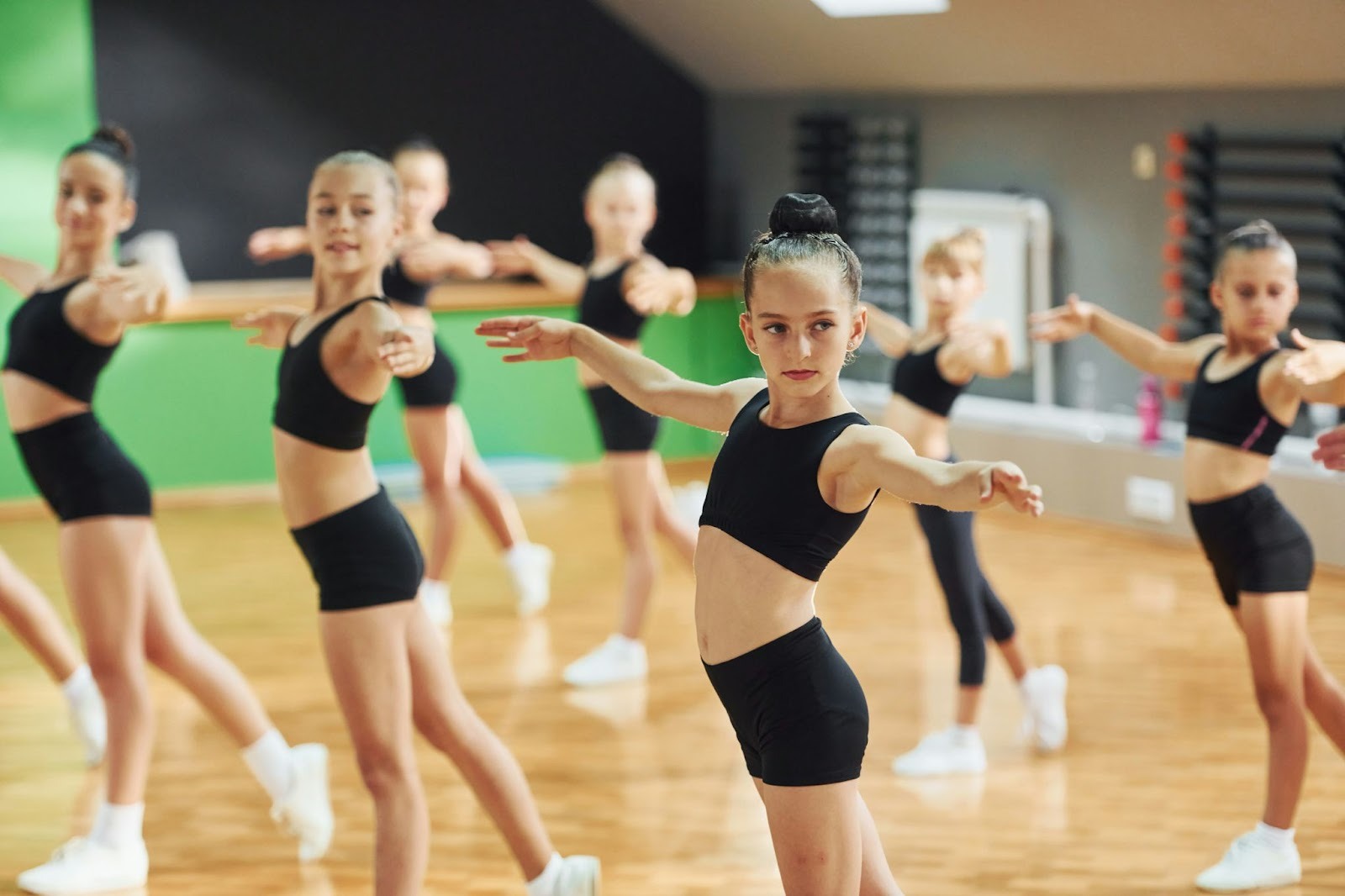
Cheerleading remains one of the largest youth activities in the United States, with an estimated 3.5 million young athletes participating nationwide. Participation continues to grow, and so do parent expectations.
Today’s families are more informed, more safety-conscious, and more selective than ever before. They’re not just enrolling their children in a camp for fun. They’re looking for structured skill development, professional supervision, and clear safety standards.
In 2026, running a successful youth cheerleading camp requires more than enthusiasm and high-energy routines. It demands thoughtful program design, trained staff, and systems that prioritize progression and protection.
The camps that lead the way are built on three pillars: clear skill progression, strong supervision, and genuine safety preparedness.
Top trends in running a youth cheerleading camp for 2026
- Design a Program that Builds a Strong Foundation
- Make Supervision and Safety Part of the Program
- Rehearse Emergency Readiness
- Train Staff to Coach Kids, not just Cheer
- Run a Camp Parents Trust
- End with Something Kids are Proud of
- Emphasis on Athlete Wellness, Inclusivity, and Evolving Training Standards
- Growth of Specialized and Competitive Skill Tracks
- AI-Powered Coaching Support and Performance
- Use Cheer Camp Management Software to Run a Professional Program
Let’s break down the best practices for a youth cheerleading camp in 2026 and beyond.
1. Design a Program that Builds a Strong Foundation
Cheerleading is exciting, but every child grows at a different pace. The best camps don’t rush skills; they make sure athletes are ready first. Group kids by level and focus on strong basics like jumps, motions, balance, and age-appropriate strength. Introduce stunts and tumbling only when the foundation is solid. Build confidence and teamwork along the way.
Plan your camp in levels such as beginner, intermediate, and advanced. Then build daily sessions around:
- Foundational movement (jumps, motion technique, balance)
- Strength and flexibility that’s age-appropriate
- Basics of stunts or tumbling only when kids are ready
- Confidence and teamwork drills (this matters a lot in cheer)
Also, be clear about what you won’t teach, especially for younger groups. Parents appreciate boundaries. When you set expectations up front, you reduce pressure on coaches and keep the camp safer.
2. Make Supervision and Safety Part of the Program.
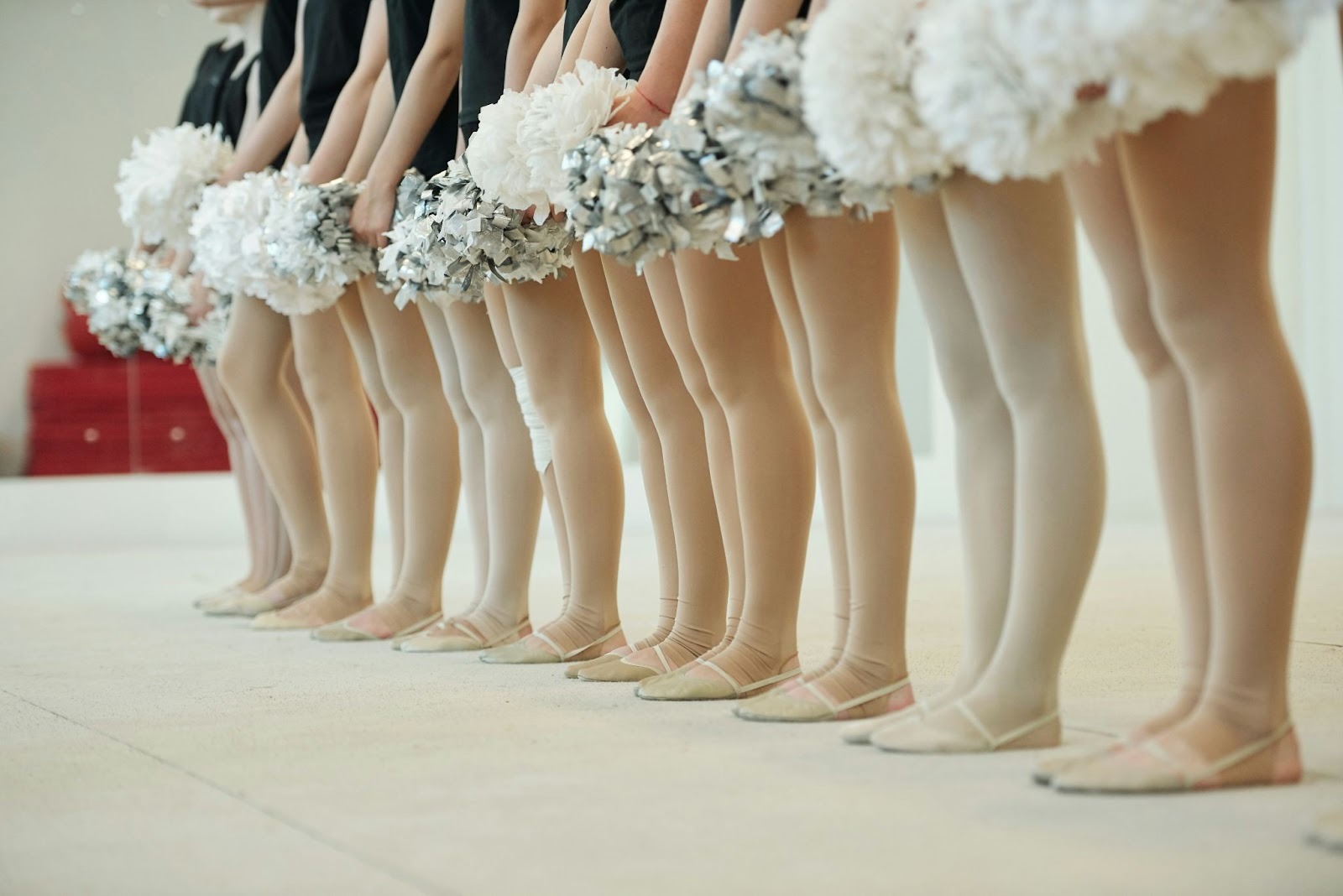
A cheer camp is high-energy. Kids get excited, move fast, and sometimes take risks without realizing it. That’s why supervision is not just a staffing detail. It’s part of the camp design.
💡Point to Note: NSPCC CPSU (UK) recommends minimum ratios by age (and advises a minimum of two adult supervisors even for small groups).
USA Cheer emphasizes safety education and risk management as a core part of the sport. According to a recent study, cheer being a large youth activity in the US (estimated 3.5 million participating youth in 2022), the injury patterns are clear: concussion is a major risk, representing 31% of reported cheerleading injuries; injury risk is also highlighted as higher in children younger than 12 years of age.
When your program follows established safety and progression guidelines, you build trust — with families and with your staff.
What practical ways can Youth Activity Centers adopt to make supervision real?
- Use smaller groups for higher-risk blocks (stunts, tumbling, jumps).
- Keep a clear headcount and transitions plan (arrival, breaks, pickup).
- Use a simple check-in/check-out process so no child is ever “unaccounted for”.
- Follow “two-adult” practices where possible and avoid any one-on-one situations behind closed doors.
If you want a US-facing benchmark mindset, the American Camp Association (ACA) standards emphasize core areas like staff training, supervision, and health/wellness as part of accredited camp operations (their “Standards at a Glance” is updated effective November 2025).
3. Rehearse Emergency Readiness
A well-run camp doesn’t just have an emergency plan on paper. It makes sure everyone knows how to use it.
💡Note: Pyramids/height: AAP guidance explicitly advises that pyramids should not exceed the height of two participants, and spotters should always be present for flying moves/dismounts.
Because cheerleading involves movement and occasional falls, concussions need extra care. If a child shows signs of a head injury, the safest approach is simple: recognize it early, remove them from activity right away, and allow them to return only when it’s truly safe. Recovery should be gradual and cautious, even if that means taking extra time.
This isn’t about using complicated medical language. It’s about reassuring families that if something unexpected happens, your team is calm, prepared, and ready to take the right steps.
Minimum expectations in 2026:
- A written Emergency Action Plan (EAP) that staff know and can execute.
- First-aid coverage that matches camp size and risk level.
- Clear rules for injuries: stop, assess, document, communicate.
4. Train Staff to Coach Kids, not just Cheer
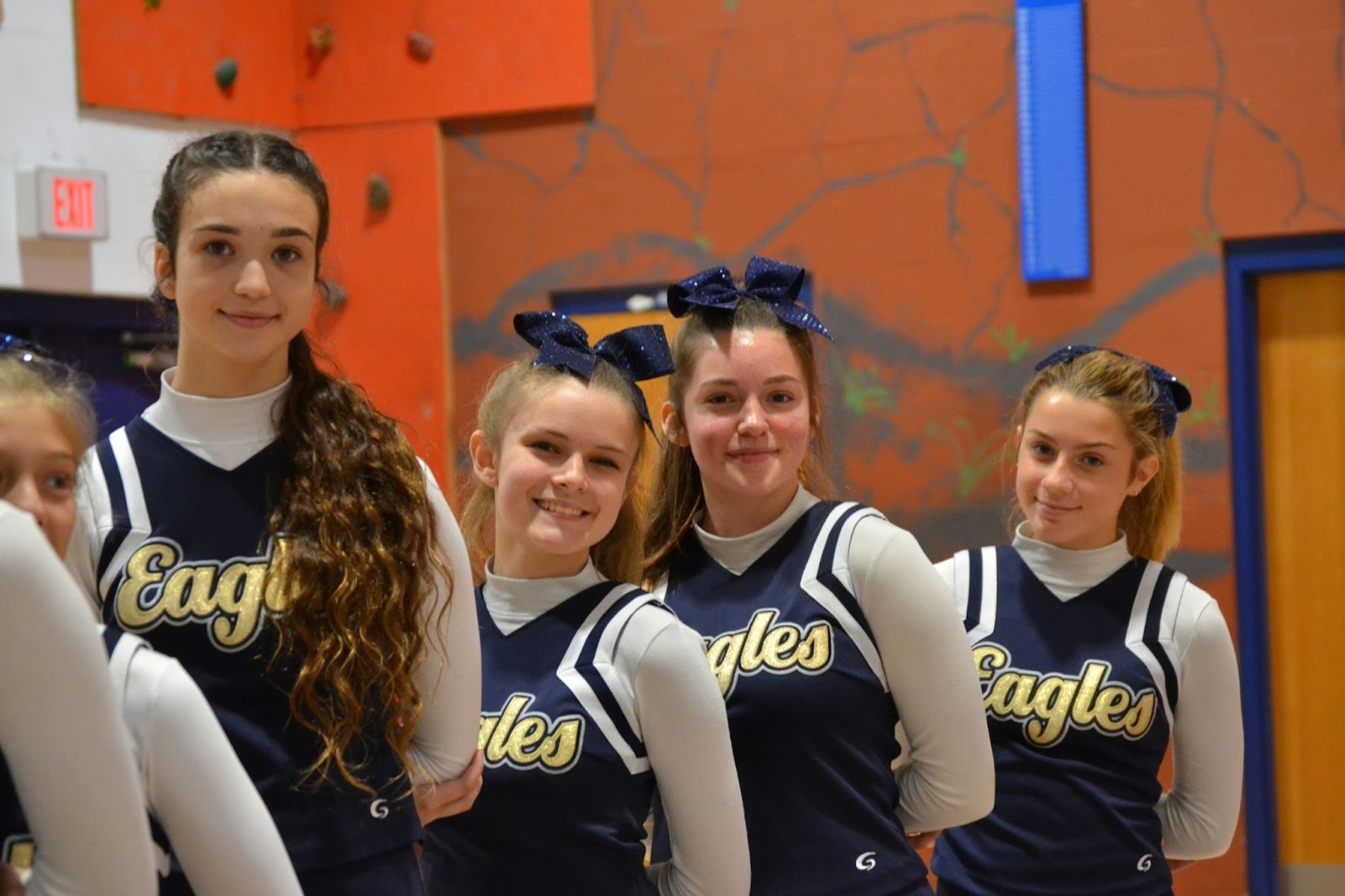
Being a strong cheer athlete doesn’t automatically make someone a great coach, especially when working with children.
Kids’ camps require a different skill set. Coaches need to break skills into simple, easy-to-follow steps so every child can understand and succeed. They must know how to manage behavior with patience and firmness, keeping sessions structured without being harsh.
Staff at a kids’ cheer camp should meet both safety and coaching standards. At minimum, this includes background checks, CPR and First Aid certification, and concussion awareness training to ensure children are protected in active environments. For camps that include stunting or tumbling, cheer-specific credentials such as USA Cheer or USASF safety training are strongly recommended.
Beyond certifications, coaches should understand child development, know how to manage behavior appropriately, and be trained in camp safety procedures, including emergency action plans and injury reporting. Together, these qualifications create a safe, structured, and professionally run camp environment that parents can trust.
USA Cheer also offers Athlete Protection training for coaches/owners, which explicitly covers bullying, hazing, physical/emotional misconduct, and sexual abuse (including grooming patterns and appropriate responses).
In a kids’ camp, staff need to know how to:
- Teach in simple steps.
- Manage behavior kindly but firmly.
- Maintain positive energy without losing control.
- Keep kids engaged when attention spans drop.
5. Run a Camp Parents Trust
When parents enroll their child in a camp, they’re not just paying for activities; they’re placing trust in you. That trust grows when your communication feels organized and thoughtful.
Something as simple as sending a clear daily schedule in advance helps parents know what their child will be doing. A short “what to bring” list prevents confusion on the first day. Consistent updates reassure families that their child is engaged and cared for.
Setting expectations early prevents misunderstandings and shows that you take safety and progression seriously. It’s part of running a camp that feels structured, professional, and safe. When parents feel informed and confident, they’re far more likely to return and recommend you to others.
Kindness and empathy always stay in trend!
6. End with Something Kids are Proud of
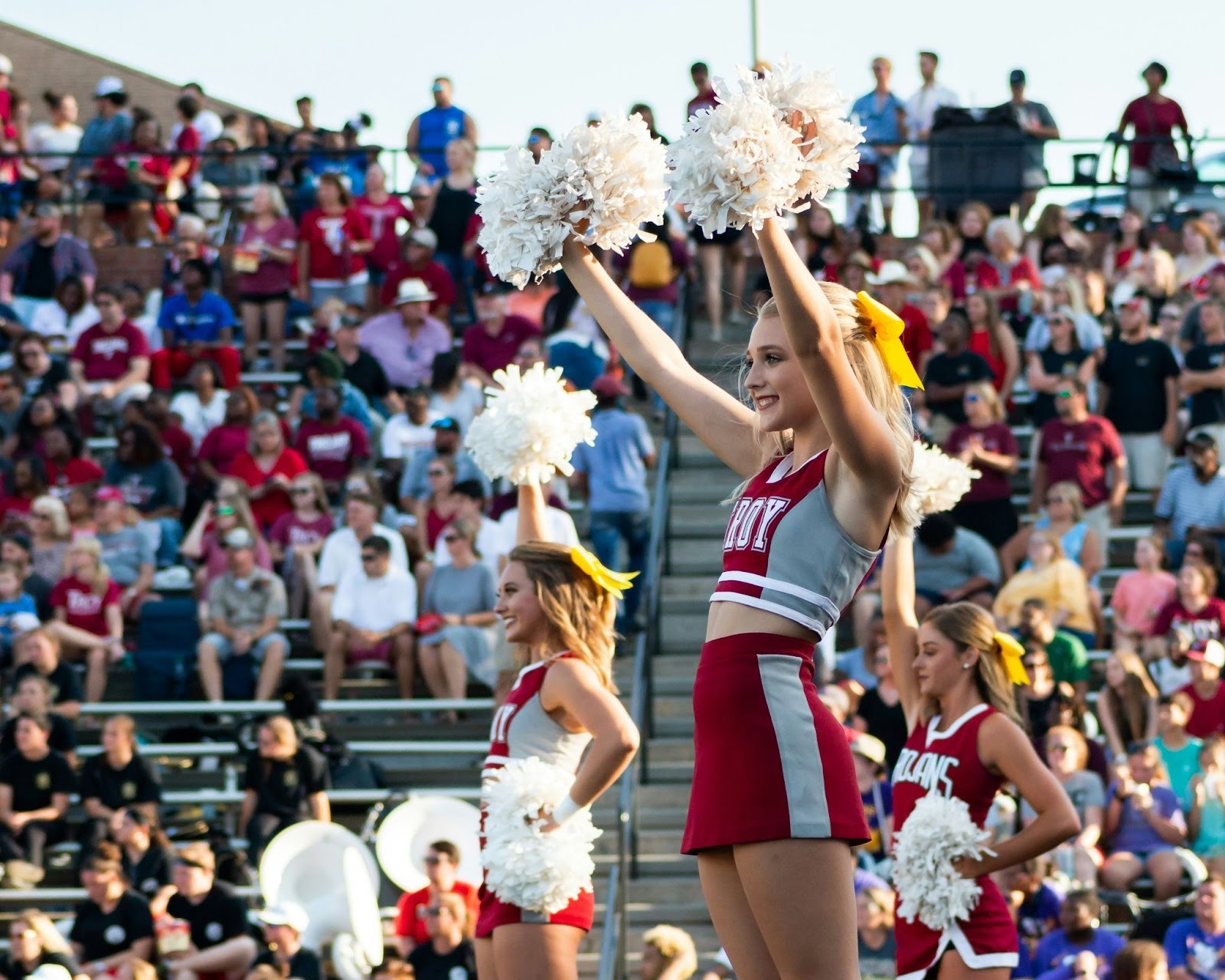
Kids thrive when they can see their own progress. Parents feel confident when they can see it too. That’s why building small, meaningful milestones into your camp matters more than a flashy final routine.
Instead of focusing only on a big performance, think in terms of growth moments. A simple group routine with clean formations gives children a sense of teamwork and accomplishment. A confidence-forward performance — where smiles and effort matter more than perfection — helps every child feel included.
💡Create optional “skills highlight” stations, where kids demonstrate something they’ve improved on. This isn’t about pressure or comparison. It’s about showing personal progress, whether that’s stronger jumps, better balance, or improved timing.
When children leave camp feeling proud of what they achieved, they carry that confidence with them. And when parents see clear progress, they’re more likely to return and recommend your camp to others.
7. Emphasis on Athlete Wellness, Inclusivity, and Evolving Training Standards
In the 2024–2025 season, cheerleading has shifted toward prioritizing athlete comfort and wellness alongside performance. New uniform guidance encourages teams to rethink attire for comfort and inclusivity, reflecting broader cultural shifts in sport toward athlete-first practices. Coaches are also paying more attention to overall athlete well-being and skill readiness rather than pushing toward high-intensity progression without a foundation. This trend is accelerating in camps, clinics, and youth programs alike.
This means camps are increasingly designed around age-appropriate skills, progressive conditioning, and safety-oriented learning experiences, rather than simply high-level routines. Programs that embed wellness and comfort into their curriculum build trust with families and better support athlete longevity in the sport.
8. Growth of Specialized and Competitive Skill Tracks
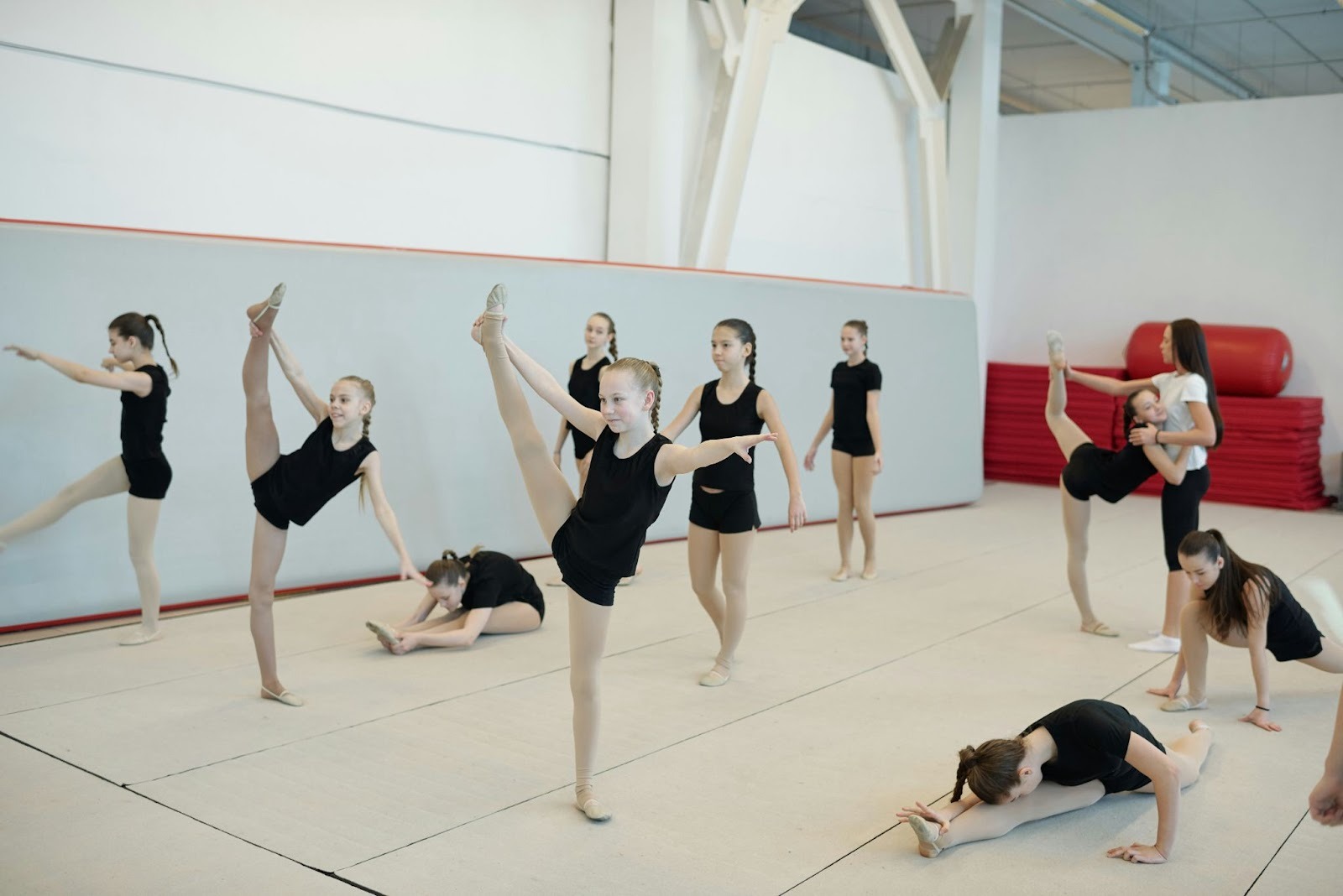
While traditional day camps are still popular, more families are now looking for programs that go beyond basic cheer skills. There is a growing demand for speciality camps and extended programs designed for athletes who want to improve at a higher level.
These camps focus more deeply on areas like stunt technique, tumbling progression, and performance skills. Instead of covering general fundamentals, they offer dedicated time to build stronger technique and prepare athletes for competitions.
As competitive cheer continues to grow — with more local and national events — parents and athletes are seeking camps that help them advance, not just participate. In response, many programs are creating structured tracks that support serious skill development alongside recreational options.
9. AI-Powered Coaching Support and Performance
More youth sports programs — including cheer, tumbling, and dance camps — are beginning to use AI tools to support coaching. AI tools are transforming the way coaches train athletes, analyze performance, and plan strategies. By providing valuable insights and automating certain tasks, these tools allow coaches to spend more time on mentorship, leadership, and hands-on instruction.
AI can help generate practice plans based on age, skill level, and goals, making it easier to design structured sessions quickly. It can also suggest age-appropriate drills and help manage mixed-ability groups, saving hours of planning time while maintaining consistency across programs.
Some AI systems use video analysis or wearable data to review athlete movements and identify technique issues. While more common in elite sports, these tools are gradually becoming accessible for youth programs. Used thoughtfully, they can enhance training quality, support safer skill progression, and provide clearer tracking of athlete development — without replacing the human connection that great coaching requires.
10. Use Cheer Camp Management Software to Run a Professional Program
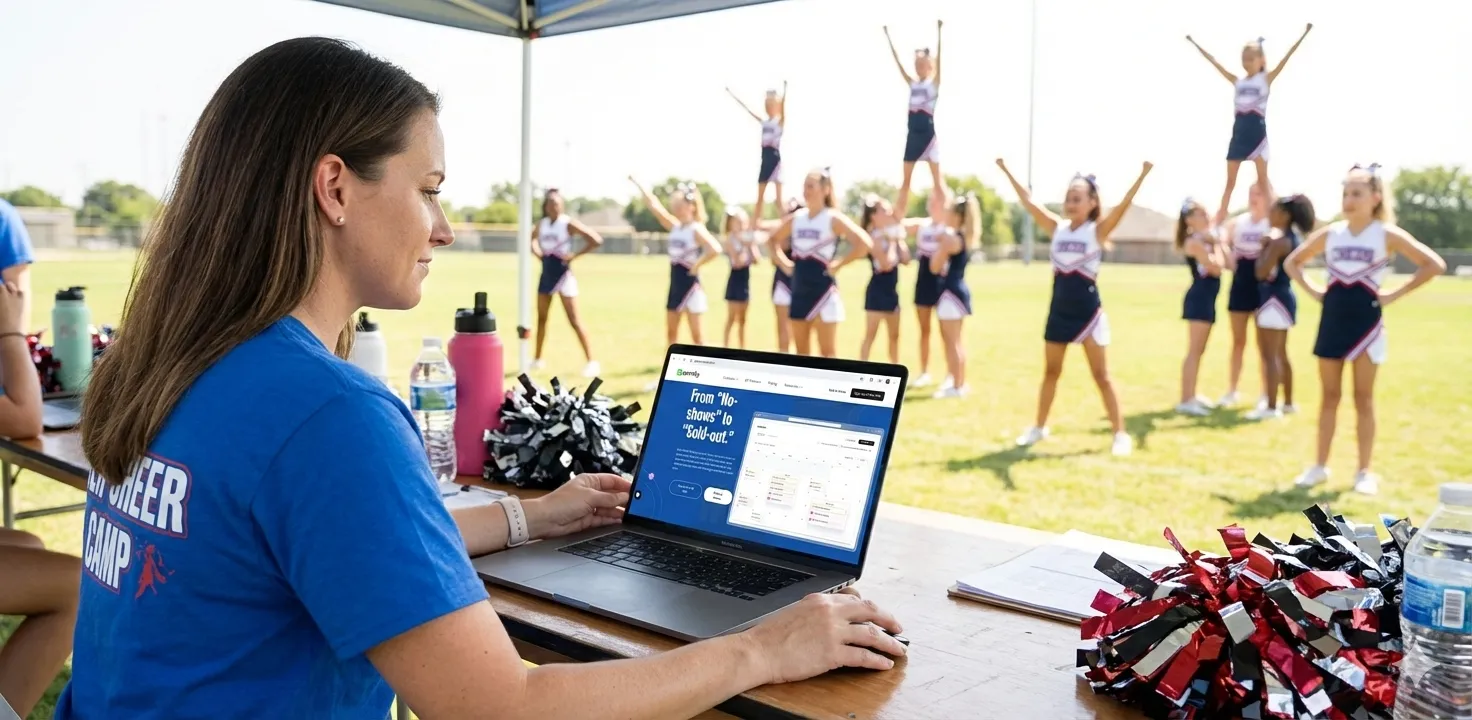
In 2026, running a successful youth cheer camp requires more than strong coaching — it requires strong systems.
A reliable cheer camp registration software helps you manage programs, payments, communication, and compliance in one place. Instead of relying on spreadsheets, manual reminders, and scattered tools, you create a streamlined experience for both staff and parents.
With a platform like Omnify, you can:
- Set up structured programs by age and skill level
- Automate registrations and waitlists
- Collect payments, deposits, and installment plans
- Securely store waivers and medical information
- Send automated reminders and updates
- Track attendance and customer history through built-in CRM
- Sell products alongwith services, and so much more!
This not only saves administrative time but also builds trust. Parents see organized communication, clear payment processes, and professional follow-through. And when operations are smooth behind the scenes, your coaches can focus fully on what matters most: developing confident, capable athletes.
Conclusion
Youth cheer camps are evolving, and the programs that stay ahead are the ones that pay attention. Following emerging trends, adopting best practices, and prioritizing safety, progression, and professionalism are no longer optional; they’re expected!
Build your cheer programs on clear skill progression, strong supervision, and genuine safety preparedness for families to notice. Because great cheer camps aren’t built on energy alone. They’re built on structure, safety, and smart systems that support growth year after year.
When you combine strong coaching standards with organized systems behind the scenes, you create a camp that families trust and return to.
With tools like Omnify to streamline registrations, payments, and communication, you can focus on delivering a modern, well-run program that grows stronger each year. Smooth registrations, organized payments, secure waivers, and structured communication all contribute to a camp that feels professional from start to finish.
Run a safer, more professional youth cheerleading camp in 2026. Explore best practices for supervision, skill progression, staff training, & camp management.