How Activity Businesses Can Turn Merchandise Into a Growth Channel
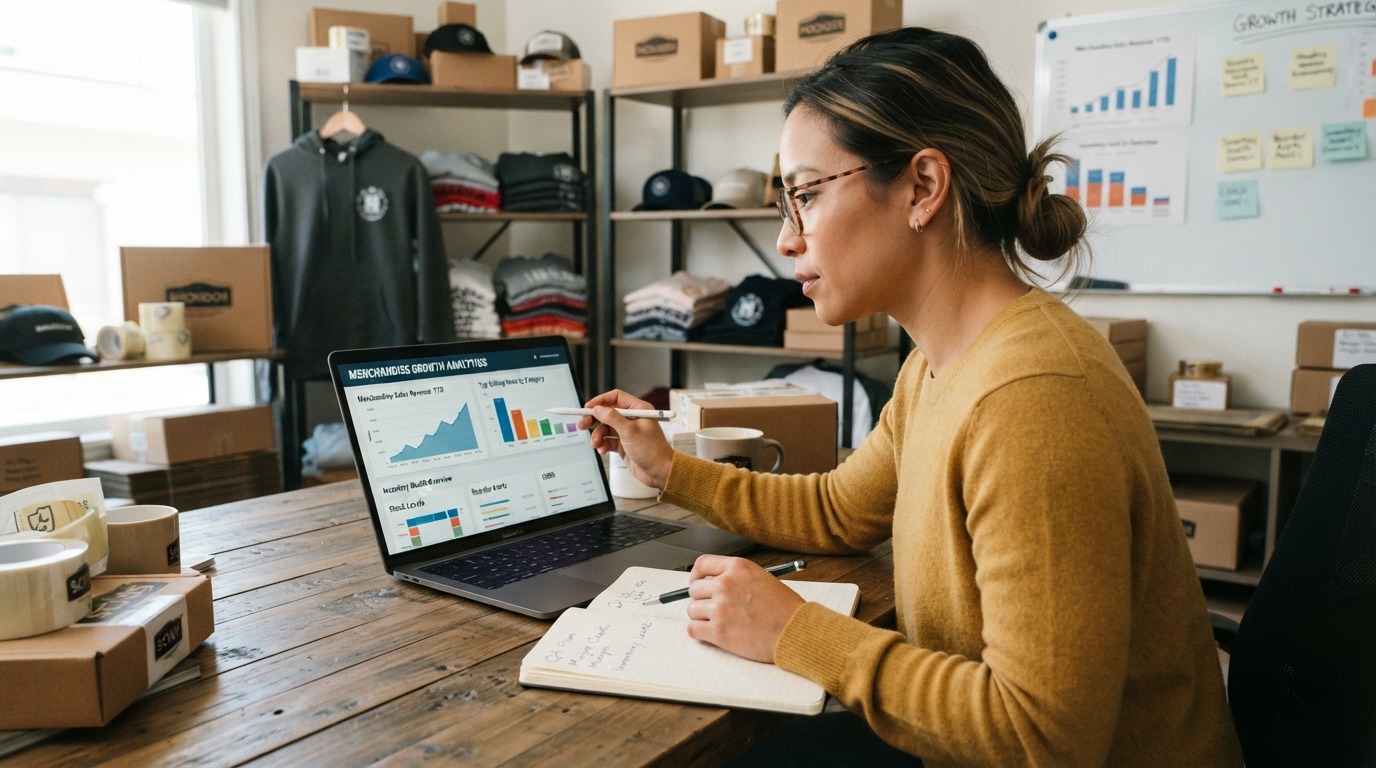
Merchandise can do more for an activity business than add a few dollars to a transaction. For gyms, dance studios, swim schools, camps, sports programs, and kids' activity centers, the right products can increase average customer value, strengthen community identity, and keep the brand visible outside the facility.
The mistake is treating merchandise as a separate retail business. A better approach is to connect products directly to activities customers already participate in.
Start With Products Customers Actually Need
Do not begin by ordering dozens of branded products because they look good in a catalog.
Look at what customers already bring, replace, or purchase for your programs. A swim school might sell caps, towels, goggles, or bags. A dance studio could offer practice shirts and warm-up gear. A sports program might focus on jerseys, bottles, or training accessories.
Start with a small range and track:
- Units sold by product
- Gross margin
- Sell-through rate
- Repeat purchases
- Inventory remaining after each season
Low-volume testing reduces the risk of tying cash up in boxes of unpopular merchandise.

Put Merchandise Into the Booking Journey
The easiest time to sell a relevant product is often when the customer is already registering for a program.
Instead of sending families to a separate online shop, offer carefully selected add-ons during registration. Someone booking a summer camp could add a camp shirt. A new sports participant could order required apparel while paying enrollment fees.
Keep the number of choices limited. Too many products can create friction and distract customers from completing the primary booking.
Merchandise should make participation easier, not turn checkout into a complicated shopping experience.
Make Fulfillment Easy to Scale
Selling merchandise becomes less attractive if staff spend hours sorting bags, answering delivery questions, or searching for orders.
Decide how customers will receive products before expanding sales. Pickup at the facility may work well for active members, while shipping or local delivery can serve customers who buy remotely.
Businesses operating several locations or delivering batches of orders locally can use delivery routing software to organize stops more efficiently rather than manually deciding which address should be visited next.
Create clear fulfillment statuses such as ordered, awaiting stock, packed, ready for pickup, dispatched, and delivered. Staff should be able to see an order's status without searching through emails or spreadsheets.

Use Merchandise to Strengthen Community
Branded merchandise becomes more valuable when customers genuinely want to use it.
A shirt worn to school, a water bottle taken to practice, or a sports bag used at an event extends the brand beyond the facility. It can also reinforce a sense of belonging among participants.
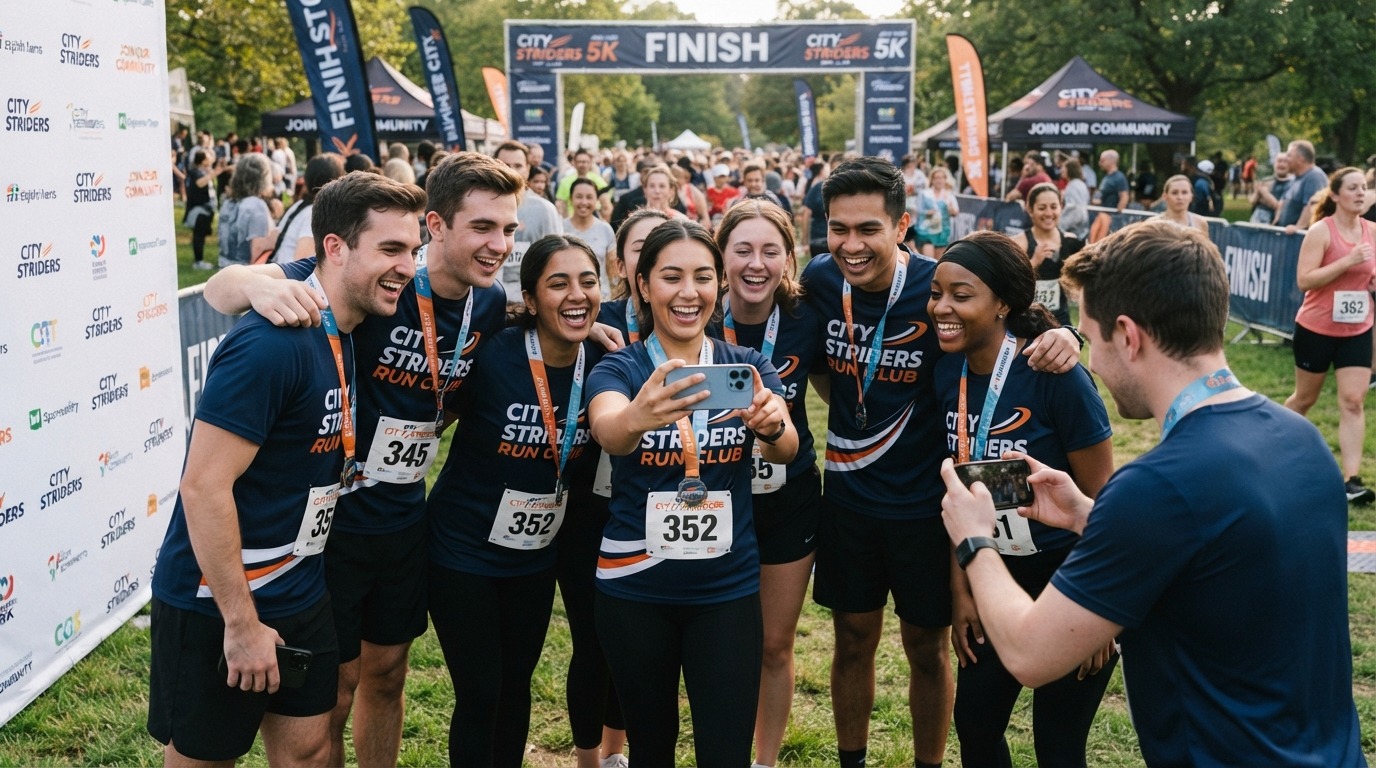
Connect merchandise with milestones rather than pushing products constantly. A gymnastics program might offer a shirt when athletes progress to a new level. A camp could create an annual design. A running club could produce merchandise tied to a specific event.
Limited releases can work well when they have a genuine reason to exist. Artificial scarcity on every product eventually loses its effect.
Bundle Products With Programs
Bundling can increase revenue while making the purchase easier to understand.
A beginner package might combine registration, required equipment, and a branded shirt. A camp package could include the program fee, lunch bag, and activity kit.
Calculate the margin before offering a discount. The bundle should still cover product cost, payment processing, fulfillment labor, and any shipping expense.
Keep Required and Optional Products Clear
Customers should know whether an item is mandatory.
If a uniform is required for competition, say so during registration. If a branded sweatshirt is optional, do not design the checkout process in a way that makes it appear compulsory.
Clear pricing reduces frustration and makes upsells feel more helpful.
Use Inventory Data to Control Cash
Merchandise can generate revenue, but excess inventory consumes cash.
Track sales by size, color, program, location, and season. If youth medium shirts sell three times faster than adult extra-large, future purchasing should reflect actual demand.
Set reorder points for products that sell consistently. Seasonal products should use more conservative quantities because leftover inventory may be difficult to sell once the program ends.
Preorders can reduce risk for expensive or highly customized merchandise. Collect orders before committing to a large production run.

Treat Delivery Promises Seriously
Once merchandise is sold online, fulfillment becomes part of the customer experience.
Do not advertise delivery dates the business cannot reliably meet. Stock availability, supplier lead times, packing capacity, and carrier performance should all be considered before promising a shipment window.
The Federal Trade Commission's Mail, Internet, or Telephone Order Merchandise Rule requires businesses covered by the rule to have a reasonable basis for stated shipping times. If no shipping period is stated, sellers generally need a reasonable basis for expecting shipment within 30 days. Delays may require customer notification, consent, or a refund.
The FTC also recommends maintaining records around inventory, fulfillment, shipment dates, delays, cancellations, and refunds.
For an activity business, that makes accurate inventory and order status more than an administrative convenience.

Turn Customers Into Natural Promoters
Merchandise can support customer acquisition when people enjoy wearing or using it.
Encourage customers to share photos from classes, competitions, camps, or events, but do not make participation dependent on posting publicly.
A strong design matters. Merchandise covered with phone numbers, URLs, and promotional text may feel like an advertisement. A simple logo or design connected to the community is more likely to be worn repeatedly.
Quality matters too. A cheap shirt that loses shape after two washes creates a poor impression of the business behind it.
Measure Merchandise as a Growth Channel
Do not judge the program only by total merchandise revenue.
Track average order value, merchandise attachment rate, gross margin, repeat purchase rate, and inventory turnover. You can also compare retention or engagement among customers who participate in merchandise-driven programs such as team kits or milestone releases.
If products sell well but require excessive staff time, fulfillment may need improvement. If margins look strong but inventory moves slowly, purchasing volumes may be too high.
The goal is to build merchandise into the customer journey without creating another operational burden.
When products are relevant, easy to order, properly stocked, and efficiently fulfilled, merchandise can increase revenue while strengthening the connection customers have with the activity business. That turns a simple shirt, bag, or bottle into something more useful: a repeatable growth channel.

Discover how gyms, studios, camps, and activity businesses can increase revenue with merchandise, improve fulfillment, manage inventory, and build customer loya