.webp)
How STEM Educators Can Teach Responsible AI Use to Young Students
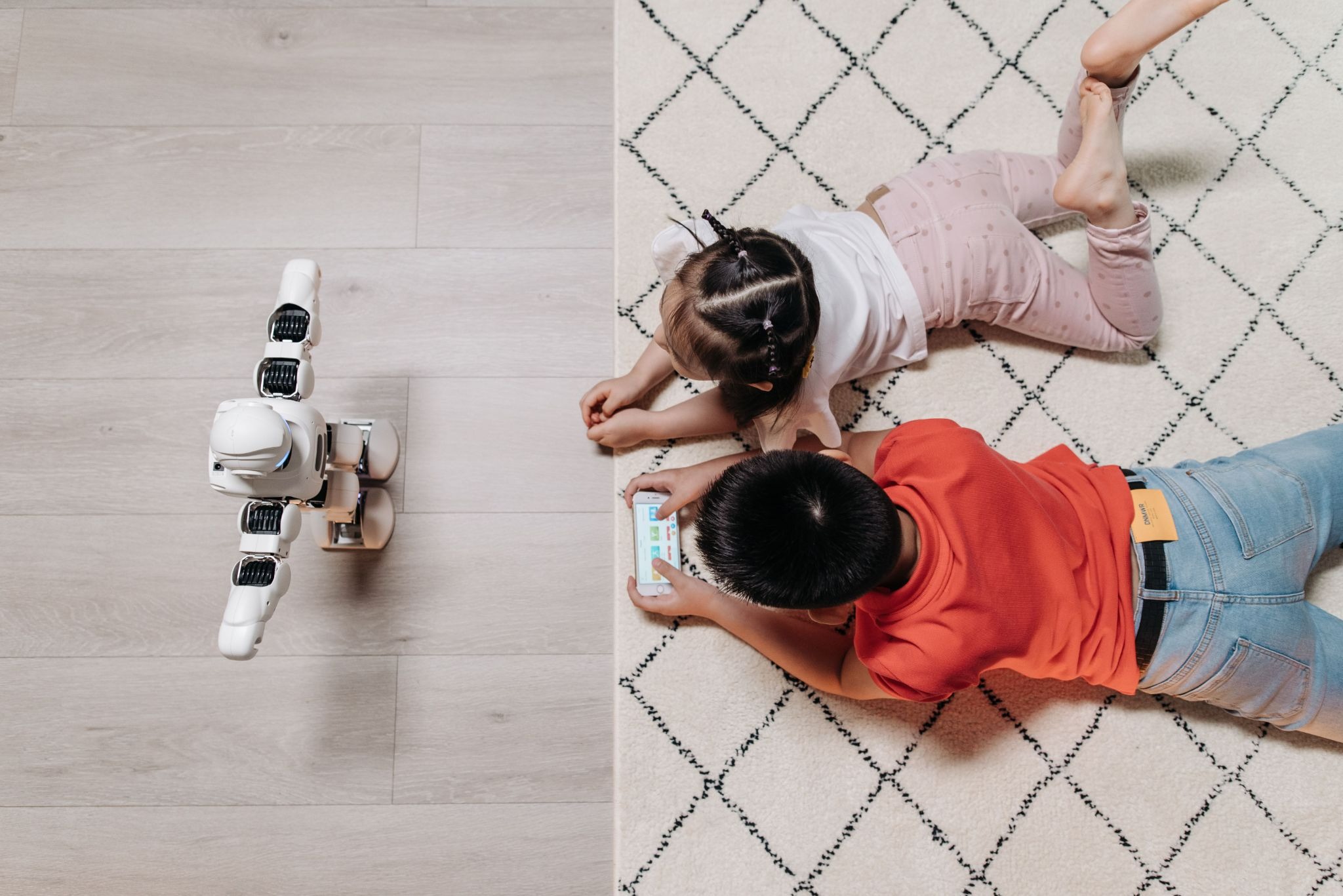
Whether it is in STEM education or any other category of education, using responsible AI has become more relevant in education than ever. STEM teachers and educators have found several bright sides of implementing AI in education. Now the aim is not to ban AI but to learn the positive and negative uses of AI in education. In fact, schools in different countries are already using it and finding more impactful ways to utilize its potential.
In Beijing, education authorities have introduced plans to expand AI education in schools, including AI learning for students as young as six. These initiatives reflect the growing role of AI literacy in children's education. Nonetheless, when it comes to using AI for teaching young students, both parents and teachers are rightfully concerned. There are several harmful byproducts of using AI for young students if it is not used appropriately. So, schools must find ways to teach responsible AI use to young students.
How Can Schools Ensure Responsible Use Of AI?
Before introducing AI tools and making them learn to use them, schools should implement the following policies and guidelines to ensure responsible use of AI.
Regulatory Compliance
First of all, every school must implement some regulatory compliance and rules regarding the use of AI. These compliance measures will restrict students from using chatbots and other platforms without limits and from becoming over-dependent on them.
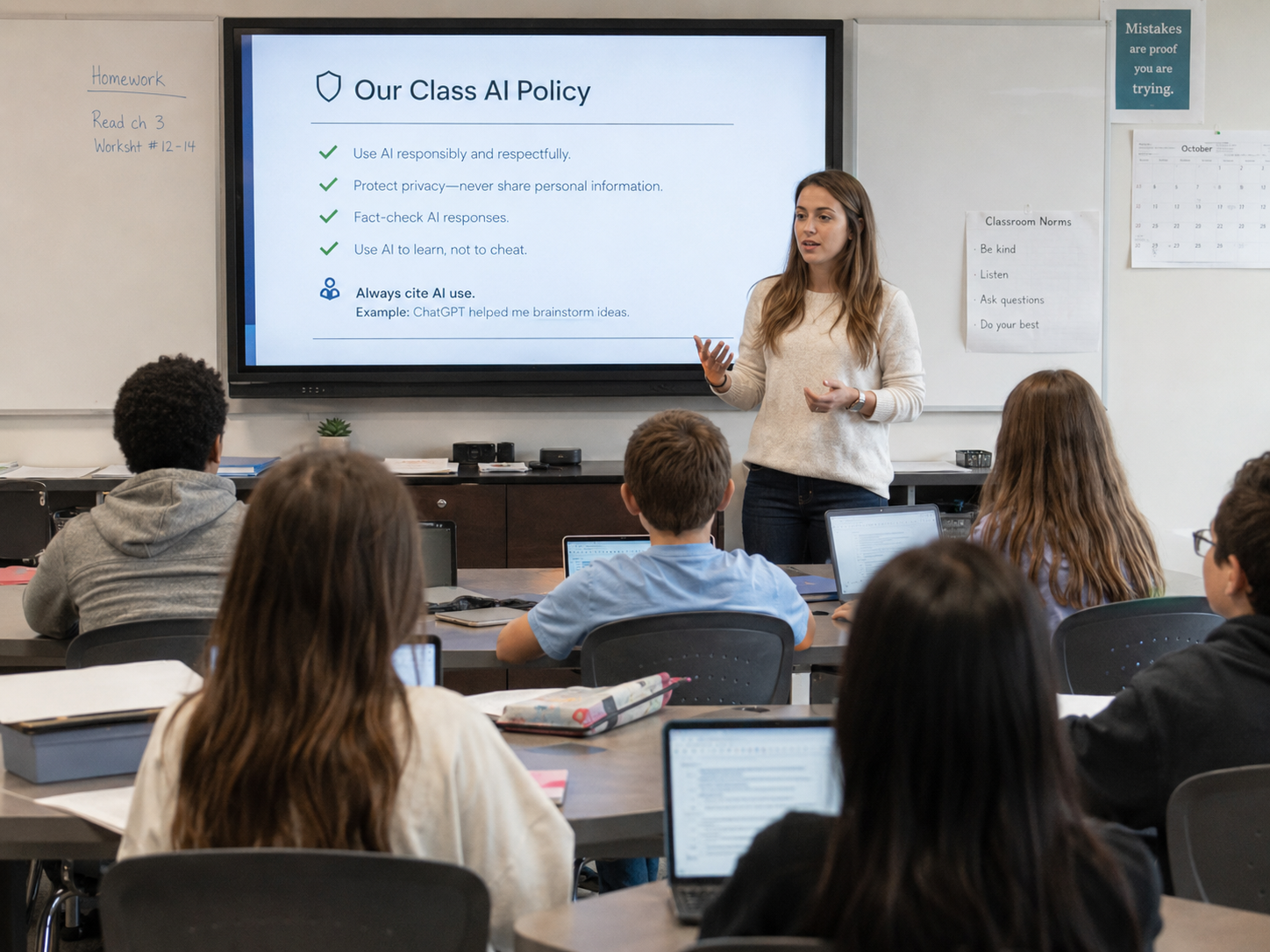
Educators can also use an AI writing detector as part of their assignment review process to identify work that may require further evaluation. Moreover, the authority and teachers can instruct them to mention in which sections of the schoolwork AI has been used. This way, students will try to use AI creatively to enhance their skills.
Build AI Literacy
STEM educators can introduce AI literacy through coding exercises, robotics projects, science activities, research tasks, and supervised experimentation with generative AI tools. Building AI literacy among young students is also crucial to ensure that the students use AI responsibly. Schools should arrange separate sessions and workshops designed for young students to help them learn about AI, digital literacy, and their importance.
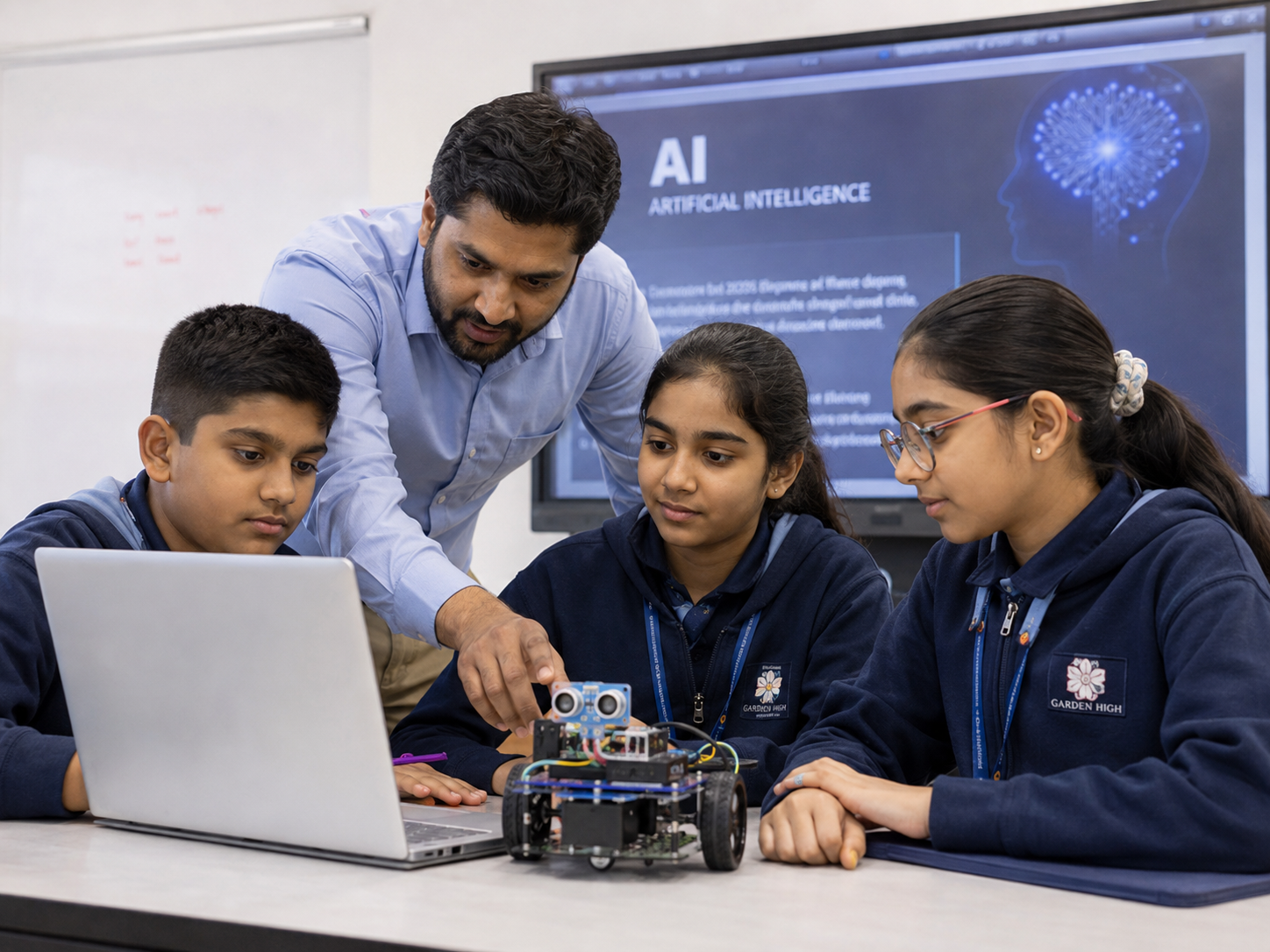
Students should understand that generative AI produces responses based on patterns learned from large amounts of data and that its outputs should not automatically be treated as accurate or original.Students should also be aware of their personal security. They must know that they have to secure their personal information, like their location, school address, and where they go regularly. Also, they should not expose their personal photos to AI.
To be precise, making children know about AI literacy is to make them know how AI works, its tendency to preserve its users’ information and original works, and the good and bad consequences of using AI in a particular task. Responsible AI education extends beyond traditional classrooms. STEM academies, coding schools, robotics programs, tutoring centres, and after-school enrichment providers can establish clear guidelines for how young learners use AI during classes and projects. Private tutors can reinforce these lessons by helping children understand how to use AI responsibly when completing homework, exploring new subjects, or working on creative projects.
Engage Parents
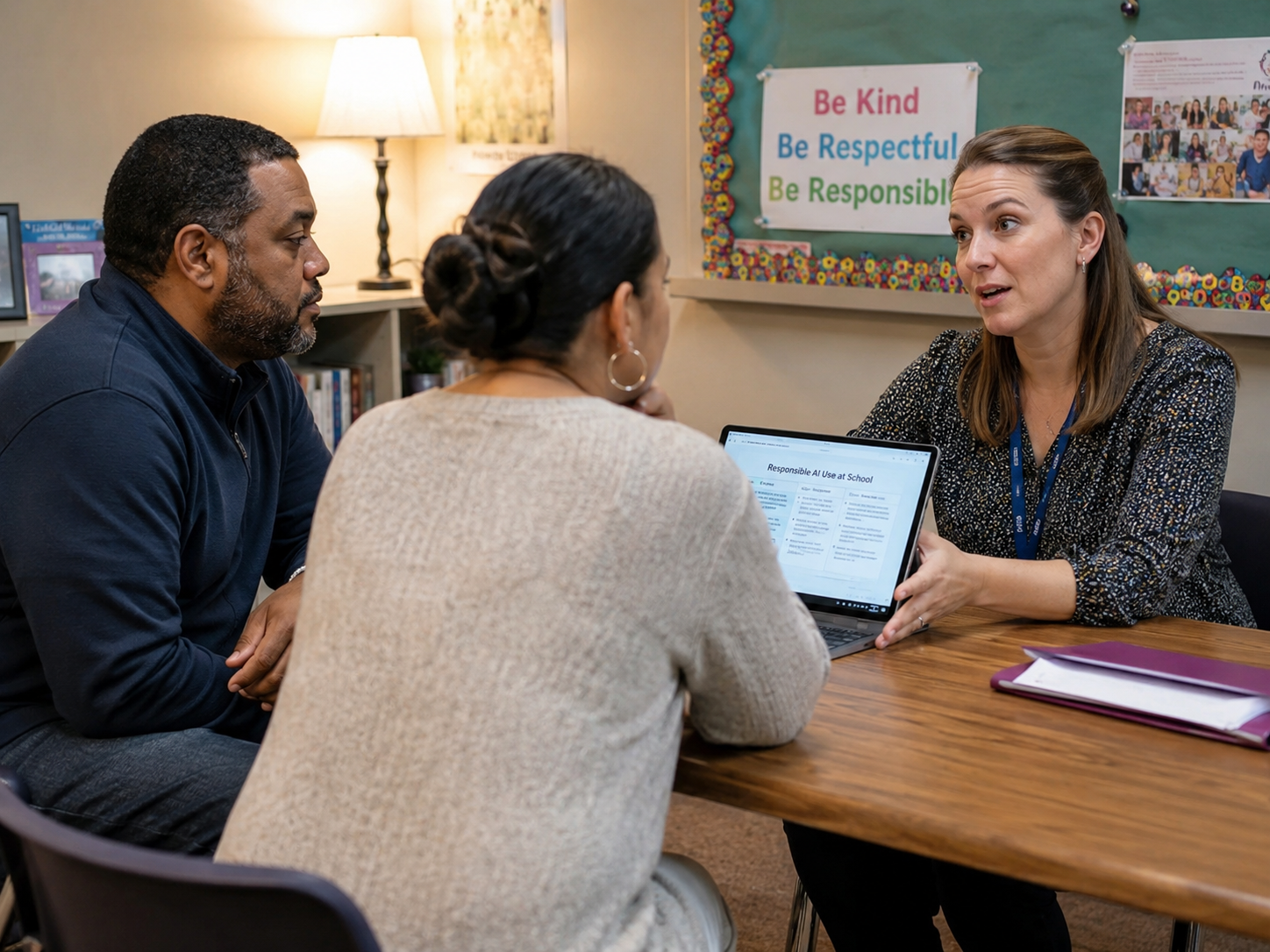
Engaging the parents also helps a lot to ensure responsible use of AI for the young students. First of all, it is difficult for young students to understand the security concerns. So, involving parents will help ensure their security. Secondly, while schools can monitor their AI usage at school, parents can take care of the duration at home. Schools can arrange a special meeting with parents about that as well.
Ensure Age-Appropriate Use
When young students and children start using AI, they get vulnerable to every kind of content that it feeds them. And AI mostly does not understand the age bracket of its users. So, the output it gives includes all kinds of adult content and information, which children may not process properly.
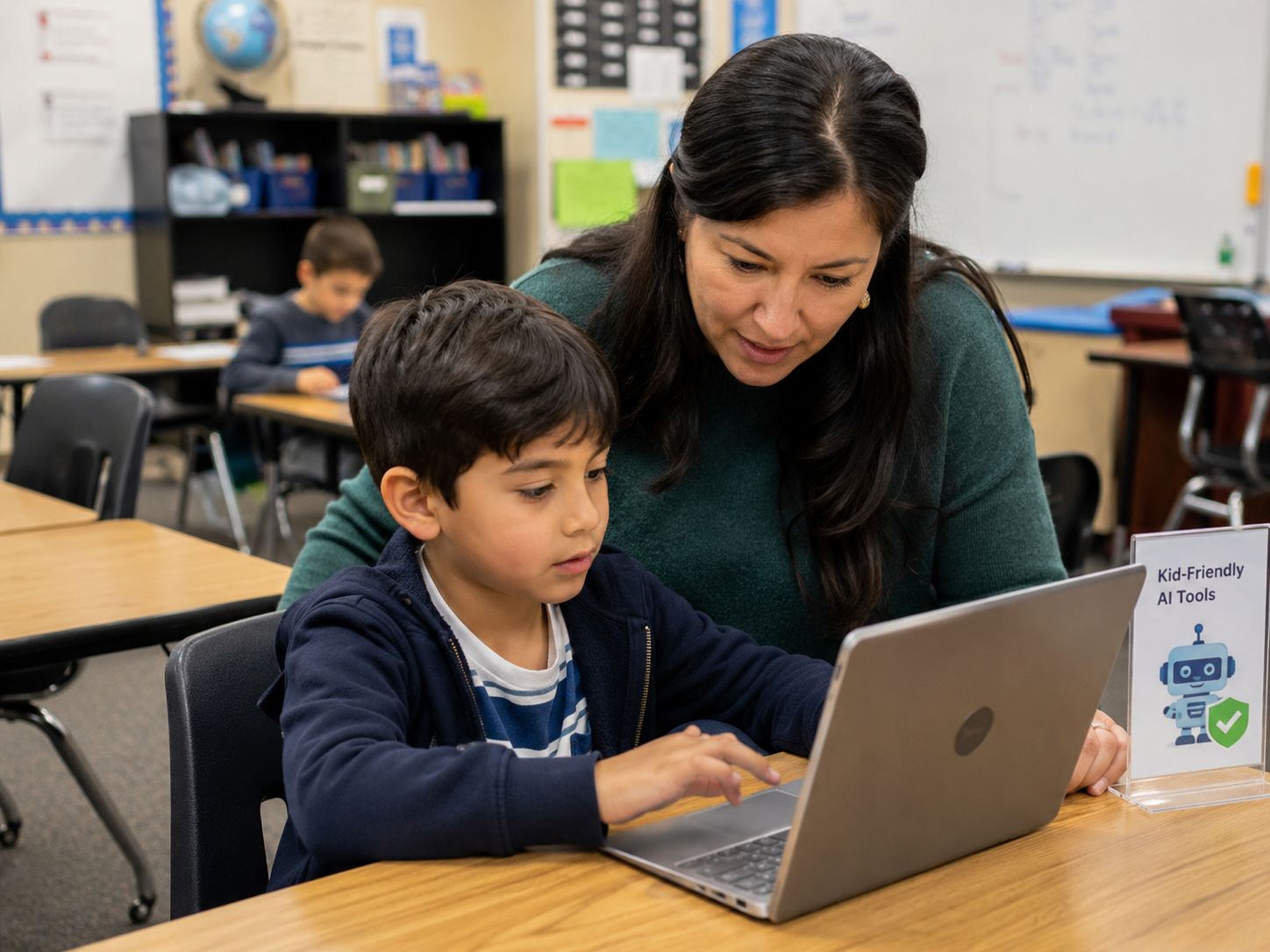
So, schools must take some useful steps to ensure that the content the students are using or reading via AI is appropriate for their age. General-purpose AI tools may produce responses that are not appropriate for every age group, particularly when they are not specifically designed for children. For that, they can make prompts specifically for them or align the tools used in the classrooms with the students' age bracket.
Use Approved AI Tools
As we are talking about age-appropriate content, fixing some specific AI tools for classroom use and assignments may also help ensure that. For STEM academies and children's enrichment programs, managing technology is only one part of delivering a successful learning experience. As programs grow, centralized class management can help streamline registrations, schedules, parent communication, and day-to-day administration.
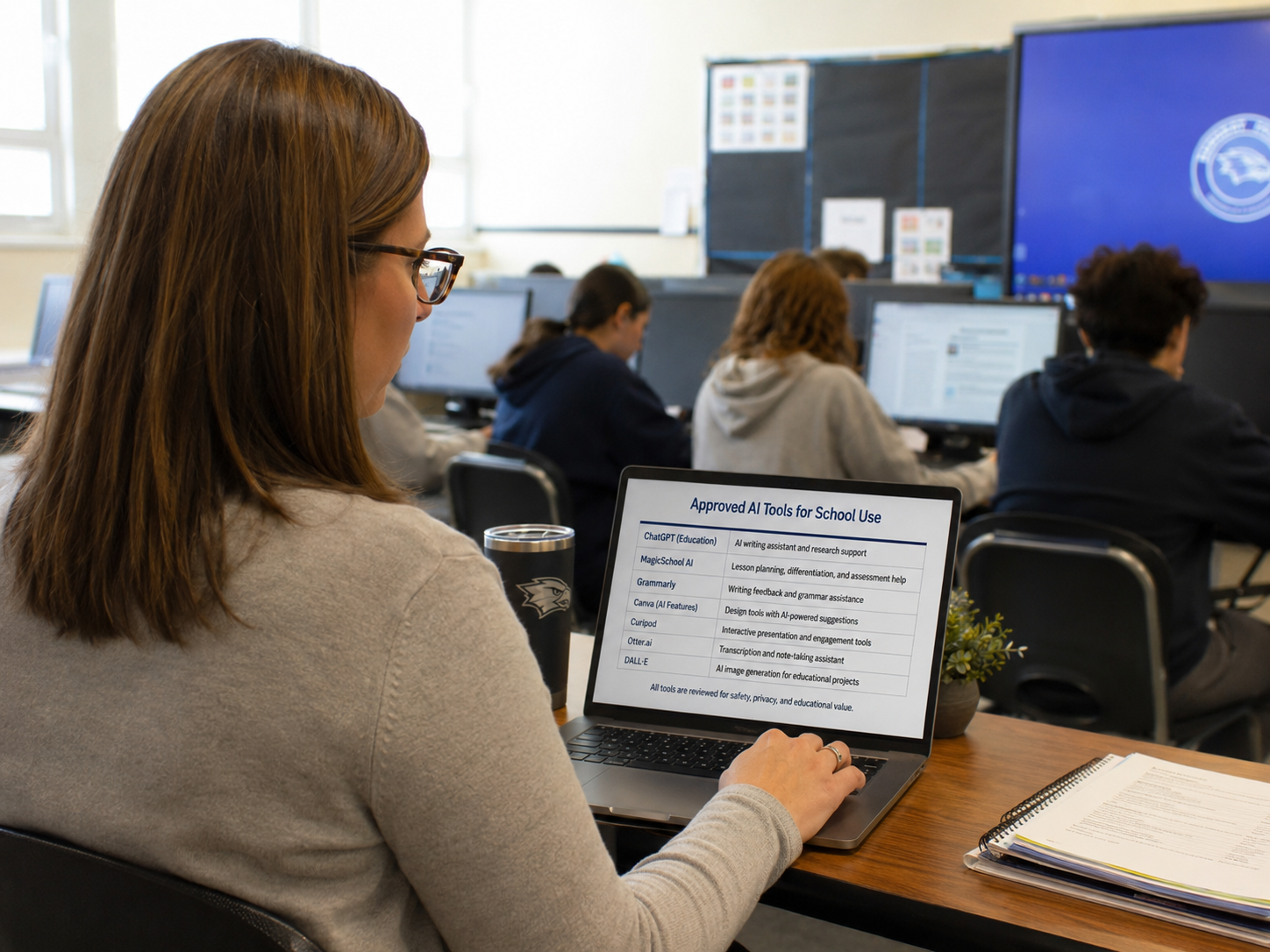
Teachers and examiners can make guidelines or rules in which the tools they are allowed to use will be mentioned. They can also mention that if the students use other tools outside of them, their grades may be affected.
Teach Students to Fact-Check AI
Wherever AI is used in the loop, fact-checking should always be the priority. To instill this habit within the students, the teachers can bring fact-checking under the evaluation policy.
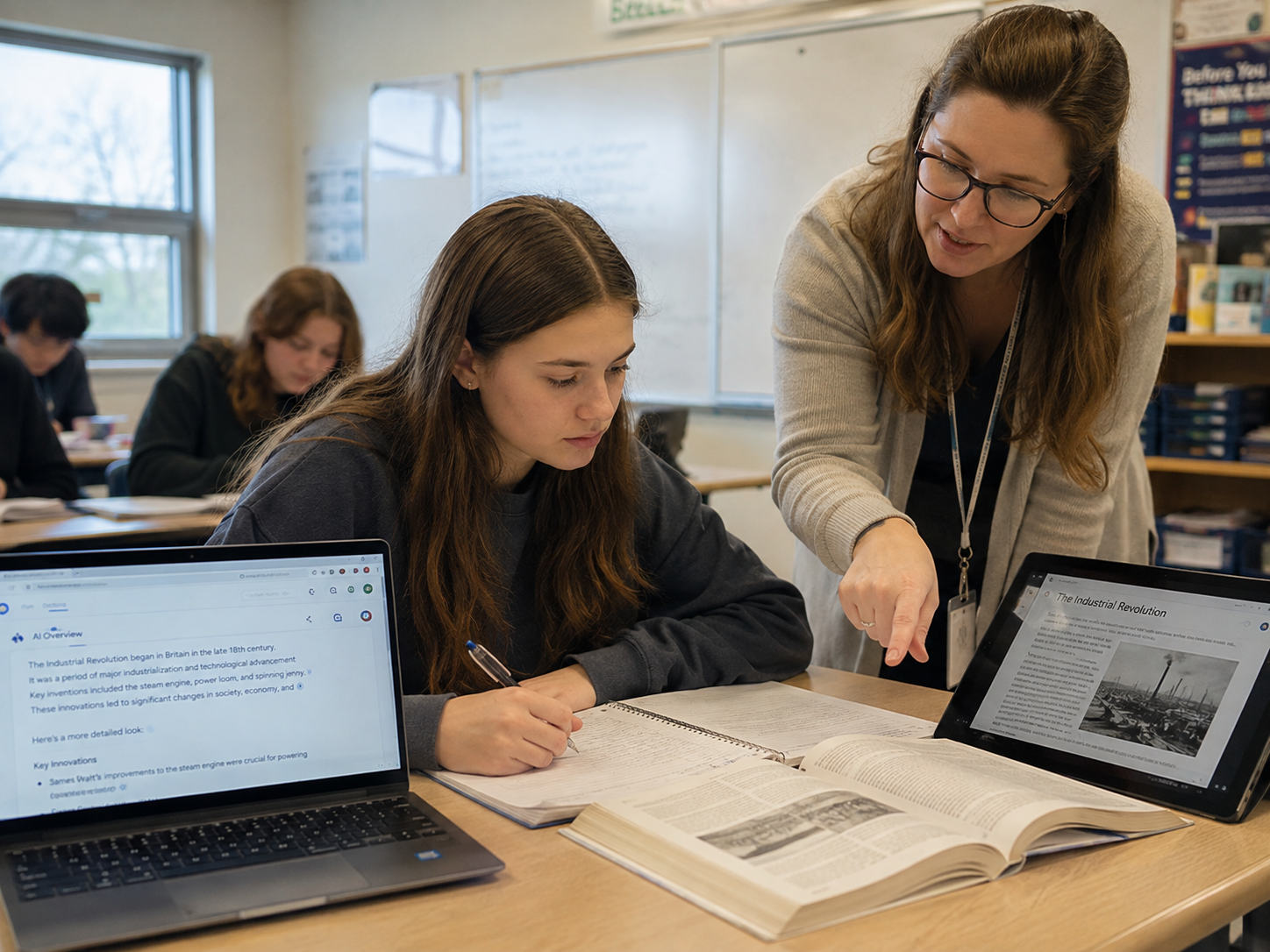
Teachers should demonstrate fact-checking on their own in the classroom and teach students how to check data accuracy, claims, and quotes against secondary sources. It will not only help them catch any false information provided by AI, but it will also help them ensure the credibility and authenticity of their own paper.
Dos And Don'ts Of AI Use
After implementing all the essential policies, the teachers should teach the students about the do’s and don’ts while using AI. In other words, make the students know about the good and bad practices of AI in education.
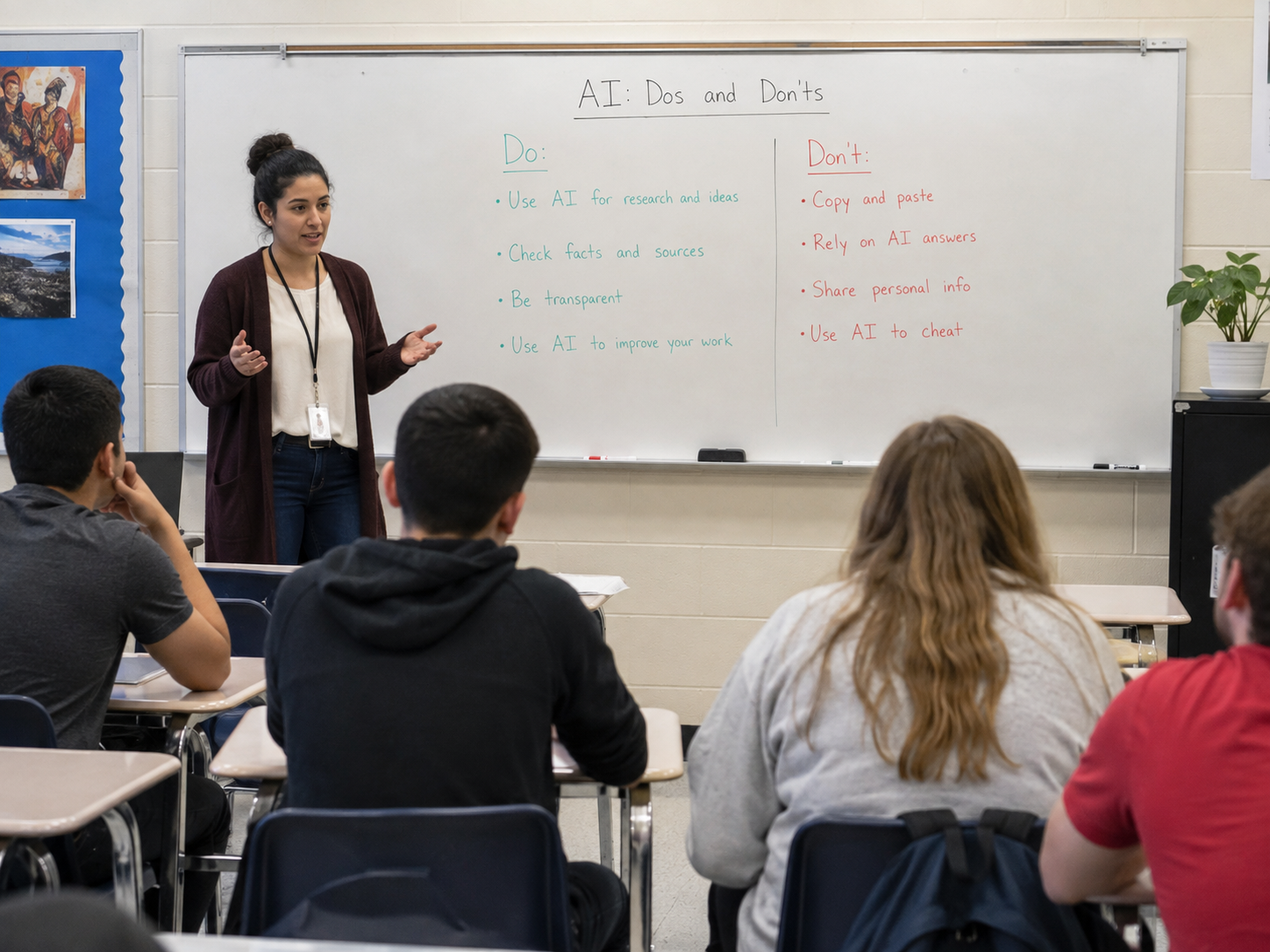
Responsible Ways to Use AI in STEM Education
The most noteworthy positive practice of involving AI in education is brainstorming with it for research and ideas. The more questions students can ask, the deeper AI can go with its output. So, the students develop their own critical thinking and their own paper. For example, students can brainstorm with AI and do research about finding a STEM topic for writing a paper, learning basic coding concepts, and exploring new technological advancements.
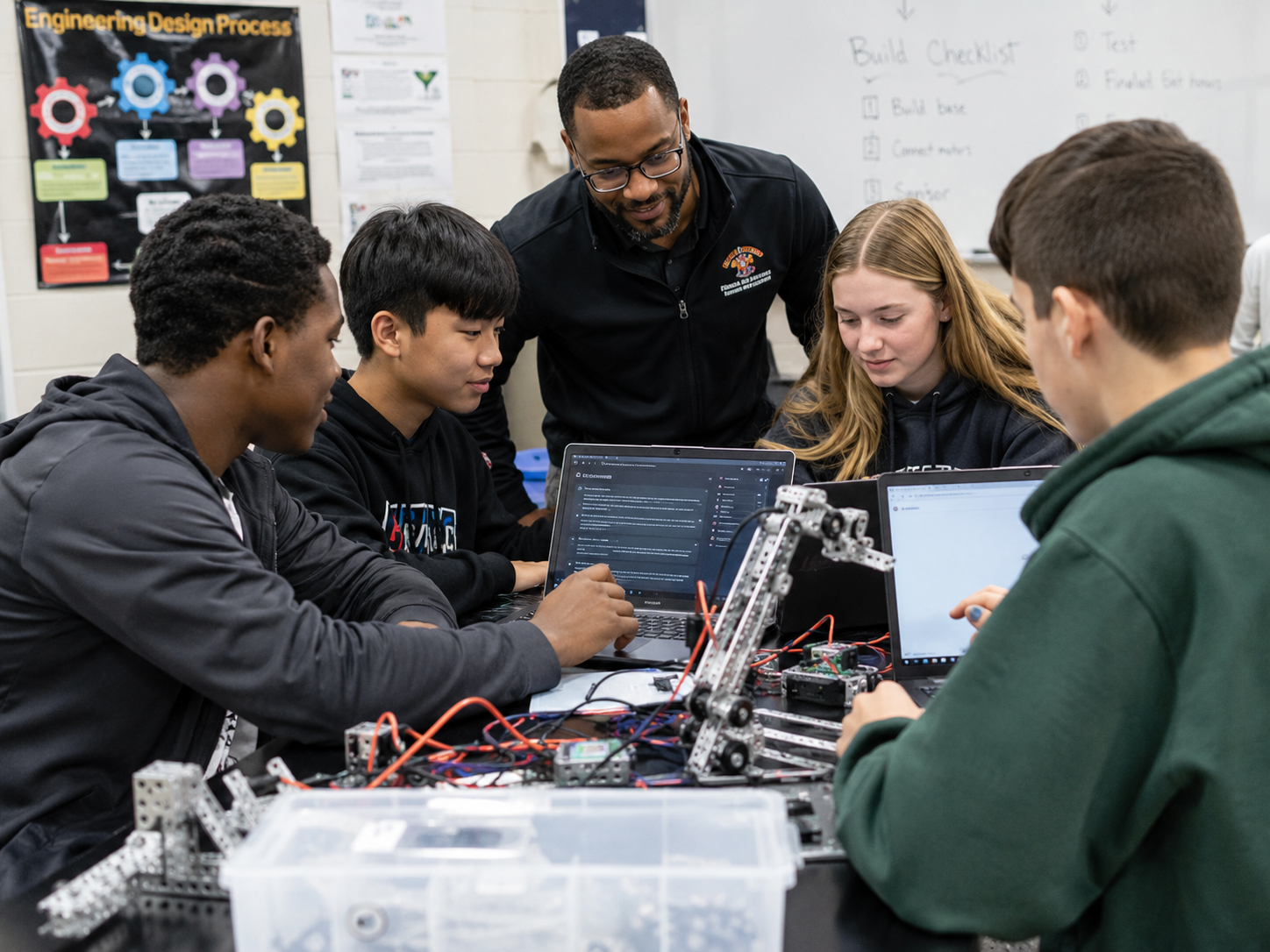
Secondly, young students can play some educational games, like using AI flashcards and word games, or make quizzes with AI and learn through them. This will make their learning easier and more fun. Finally, students can use AI to get ideas. With an effective prompt, AI can provide assignment outlines and structure. Or it can also give creative ideas for making science projects like robotic projects, building an architectural structure, and discovering ways to generate electricity.
AI Practices Students Should Avoid
The worst use of AI is making it write a whole assignment. This practice comes from overreliance on it, which students must avoid. Secondly, students use chatbots merely like an answering machine rather than keep digging. If students treat AI like an answering machine, AI will also provide bland responses devoid of depth. Finally, students mostly avoid investigating data accuracy or checking facts and claims, which can make their assignments shallow and affect their credibility.
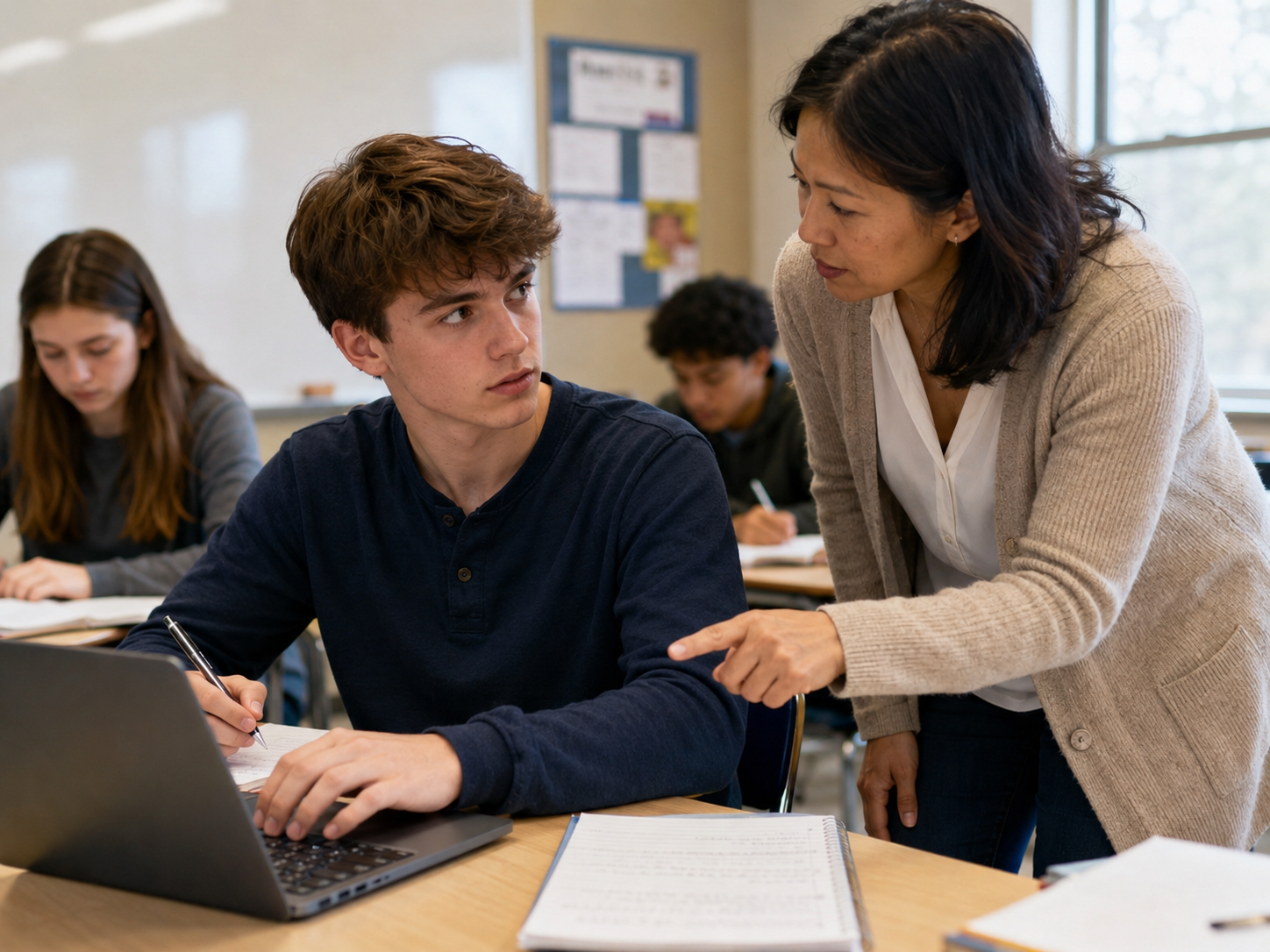
All in all, responsible use of AI in STEM education can benefit students a lot. From conducting research on medical and technological discoveries to generating ideas for science projects, using AI can be a game-changer. STEM educators should give more attention to finding new ways to use it responsibly and more ethically to enrich scientific knowledge and grow interest in it among young students. For STEM academies, coding schools, and after-school programs putting these practices into action, Omnify’s children’s activity software can simplify enrollments, schedules, family accounts, and daily administration, giving educators more time to focus on safe and age-appropriate learning.

Learn how STEM educators can teach young students to use AI responsibly through AI literacy, fact-checking, online safety, and practical guidelines.