.webp)
National Water Safety Month: How Swim Schools Build Safer Communities
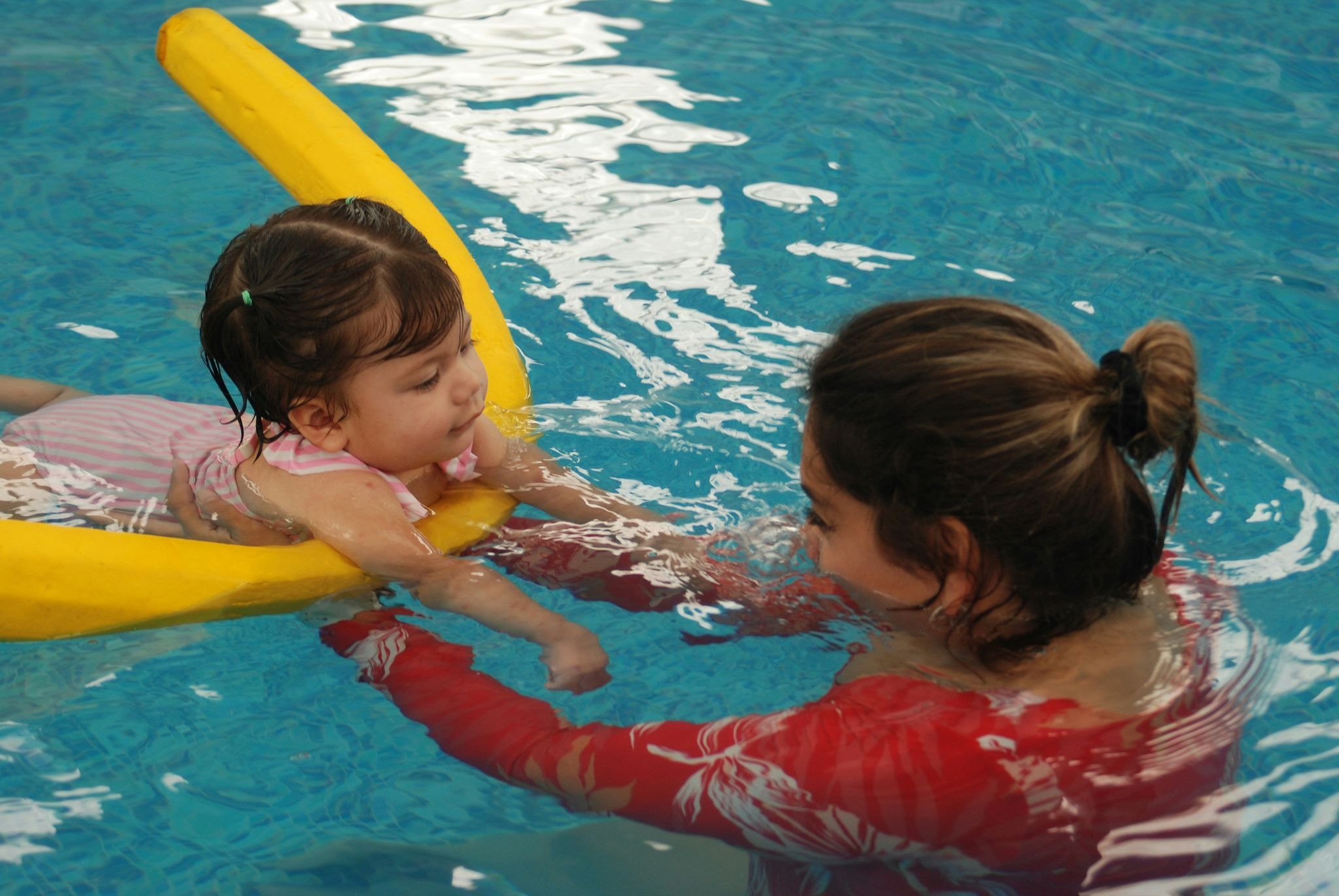
Every summer, families rush to sign their children up for swim lessons, camps, and pool activities, but alongside the excitement comes a growing concern around water safety. For many parents, enrolling a child in swim lessons is not just about learning a new skill. It’s about helping their children feel safer, more confident, and more prepared around water.
That’s what makes National Water Safety Month such an important moment for swim schools and aquatic businesses. Beyond seasonal promotions and registrations, it’s an opportunity to educate families, support local communities, and build trust that goes far beyond the pool deck.
Parents today are looking for more than convenient class schedules. They want swim schools that prioritize safety, communicate clearly, and genuinely care about their child’s development and well-being. The swim schools that actively lead water safety conversations within their communities are often the ones families remember, recommend, and return to year after year.
Here’s how swim schools can use National Water Safety Month to become trusted community partners, not just service providers.
Why Community Trust Matters for Swim Schools?
Swimming is more than just an extracurricular activity; it’s a life skill tied closely to child safety. When parents enroll their children in swim lessons, they’re choosing a class; they’re trusting your instructors, teaching methods, and safety standards to help their child feel confident and safe in and around water.

That’s what makes swim schools different from many other activity businesses. Families aren’t only comparing schedules or pricing; they’re evaluating trust, credibility, and the overall sense of safety your academy provides.
When done well, these efforts help your swim school become the “go-to” authority for water safety in your local area.
How to Make Water Safety Education Your Swim School’s Biggest Differentiator?

Many swim schools approach National Water Safety Month as a promotional campaign focused on discounts and seasonal enrollments. While offers and incentives can help attract registrations, the real long-term value comes from education and community impact.
Families are far more likely to trust and remember swim schools that actively help them understand water safety, build confidence around swimming, and support safer habits beyond the pool.
These activities position your swim school as a trusted resource instead of just another business advertising lessons.
How Can Swim Schools and Aquatic Centers Create Greater Community Impact?
- Partner with schools and community organizations
- Host community-focused water safety events
- Use Digital Channels to Educate Families
- Build a Better Parent Experience
- Focus on Long-Term Relationships, Not Seasonal Enrollments
Let’s try to understand each of the points in detail-
1. Partner with Schools and Community Organizations

One of the best ways for swim schools to build community trust during National Water Safety Month is by partnering with local organizations that already work closely with families and children.
Swim schools can collaborate with elementary schools, daycare centers, summer camps, recreation centers, pediatric clinics, parent groups, or local nonprofits to promote water safety awareness in the community.
Even small community initiatives can help swim schools increase local visibility, strengthen credibility with families, and position themselves as trusted partners in child safety — not just businesses selling swim lessons.
2. Host Community-Focused Water Safety Events
National Water Safety Month is the perfect opportunity for swim schools to bring families together through educational and community-driven events.

Activities like Water Safety Weeks, Family Swim Days, CPR awareness sessions, “Meet the Coaches” events, open-house swim assessments, or pool safety demonstrations help families engage with your swim school in a more meaningful way.
These events allow parents to experience your facility, interact with instructors, and better understand your approach to safety and learning before committing to lessons. Beyond increasing visibility, community events help build familiarity, trust, and stronger emotional connections with local families, something traditional promotions and ads often cannot achieve.
3. Use Digital Channels to Educate Families
Before summer begins, many parents actively search online for swim safety tips, beginner swim lessons, and guidance on when children should start learning to swim. National Water Safety Month creates the perfect opportunity for swim schools to become a trusted online resource for families.
By sharing educational content like water safety tips for young children, beginner swim guides, pool safety checklists, or signs that a child is ready for swim lessons, swim schools can provide real value while improving their online visibility.
This type of content not only helps your swim school rank higher in local search results but also builds credibility with parents, drives more qualified inquiries, and keeps your business visible long after seasonal promotions end. The goal is to become the swim school families trust for water safety education and guidance.
4. Build a Better Parent Experience
Trust doesn’t stop at enrollment; it’s built through every interaction families have with your swim school. During National Water Safety Month, when inquiries and registrations increase, delivering a smooth and reliable parent experience becomes even more important.
Even small operational frustrations can impact trust, especially for families enrolling in swim lessons for the first time.

That’s why many modern swim schools use Omnify to simplify registrations, automate communication, and reduce administrative friction during busy enrollment periods. When operations run smoothly behind the scenes, your team can spend more time focusing on instruction, safety, and building stronger relationships with families.
5. Focus on Long-Term Relationships, Not Seasonal Enrollments
National Water Safety Month should be more than a short-term marketing campaign. The most successful swim schools use this time to build lasting relationships with families and strengthen their role within the community.
That means continuing water safety education throughout the year, staying connected with local organizations, maintaining consistent communication with parents, and actively participating in community initiatives and events.
When families see your swim school as a trusted, long-term partner in their child’s safety and development, loyalty grows naturally. Parents are more likely to continue lessons, recommend your programs to others, and explore additional offerings like camps, advanced training, or family swim programs over time.
Final Thoughts
National Water Safety Month is more than a seasonal awareness campaign; it’s an opportunity for swim schools to lead with education, build stronger community relationships, and create lasting trust with families.
The swim schools that make the biggest impact actively help families feel safer, more informed, and more confident around water through meaningful education, community engagement, and positive parent experiences. By focusing on safety, accessibility, and long-term relationships, swim schools can strengthen their reputation far beyond the pool and become trusted community partners families rely on year after year.
With platforms like Omnify helping streamline registrations, communication, scheduling, and parent experiences, swim schools can spend less time managing operations and more time building safer, stronger communities through swimming.
Learn how swim schools can use National Water Safety Month to build community trust, educate families, improve experiences, & grow via water safety initiatives.