.webp)
How Franchise Owners Can Produce Local Marketing Videos Without Hiring a Videographer at Every Location
Every franchise location needs its own marketing video, a signup promo for the new session, a highlight reel for the season, a quick clip announcing a schedule change. Multiply that by ten, twenty, or fifty locations, and hiring a videographer for each one isn't a line item most franchise budgets can absorb.
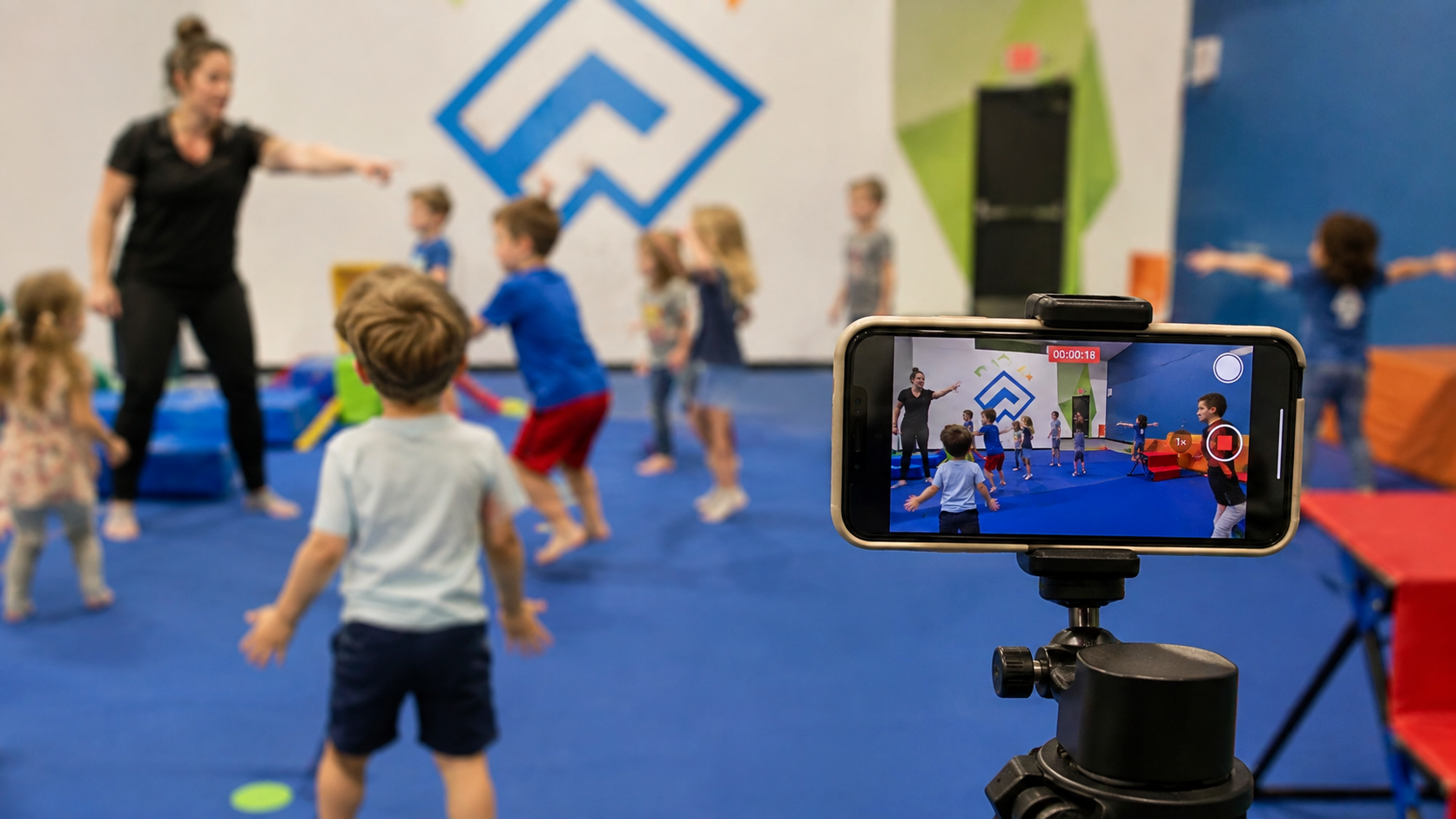
The usual workaround, one central video used everywhere, solves the budget problem but creates a new one: a video shot at the flagship location doesn't always feel local, and a generic corporate spot rarely converts as well as something that looks like it belongs to the neighborhood it's actually advertising to. AI video tools have started closing this specific gap: one locked brand identity, produced once, that individual locations can adapt with their own details without needing their own production budget or crew.
Why "one video for everyone" and "custom video per location" are both expensive
A single national video keeps costs low but loses local relevance, no mention of the specific instructors, the specific facility, or the specific community a location actually serves.

Invideo Agent, an AI filmmaking platform, approaches this differently by holding a franchise's brand identity, colors, tone, logo placement, overall look, as a standing reference, then letting each location's video draw from that same reference while swapping in its own specific details, rather than choosing between one generic video or many separately produced ones. This matters specifically for franchise operations: the brand stays consistent at the "context" level, while each location's actual video content lives as its own separate, customizable piece built from that shared foundation.
Locking the brand once, at the top
The practical starting point is uploading your franchise's actual brand materials, a brand guide, logo files, color specifications, existing marketing videos you already like, once, rather than re-explaining your brand's look every time a new location needs a video.

The newer invideo Agent Two model can read that brand material directly: hand it an existing brand deck or a reference video, and it extracts the visual rules, colors, tone, pacing, without needing them translated into a technical brief first, which matters for a franchise owner who isn't a video professional and shouldn't need to become one just to keep local marketing on-brand. From there, the ad maker capability turns that locked brand reference into finished, location-ready marketing videos, so a franchise operation isn't rebuilding a video from scratch for every location that needs one.
Letting each location plug in its own details
Once a brand is locked centrally, an individual location's video becomes a smaller, faster task: swap in the local facility's footage or photos, the specific class times, the specific instructors, and the specific community references that actually apply there, all built inside the same brand-consistent frame.
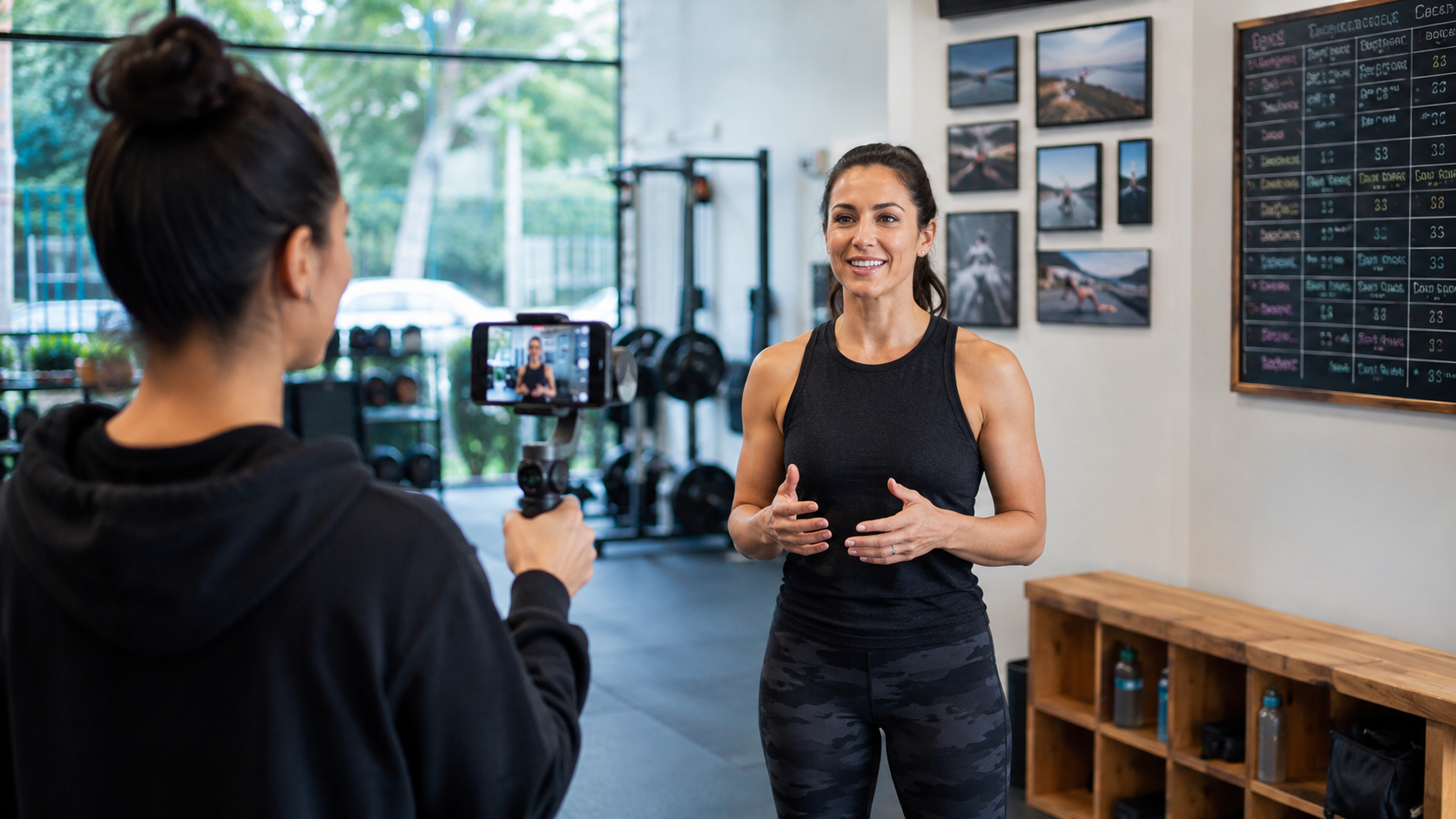
This is the same underlying approach used for keeping a character or product consistent across many separate scenes, applied here to keeping a franchise's brand consistent across many separate locations instead of many separate shots.
What this actually saves a franchise operation
The real cost being avoided isn't just a videographer's day rate, it's the coordination overhead of briefing a new crew, or a new local marketing hire, on the brand from scratch every time a location needs fresh video content.
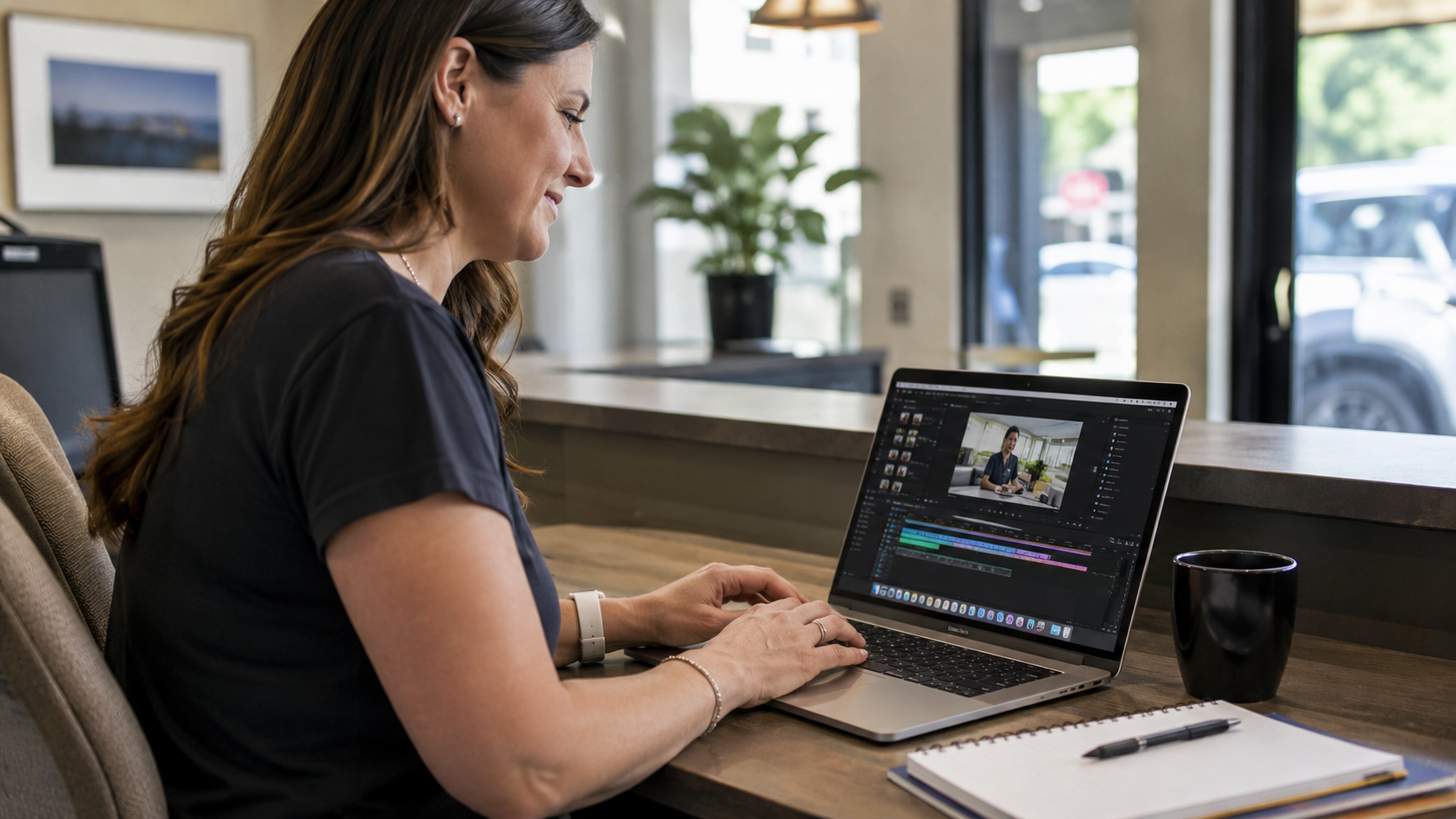
A locked brand reference removes that repeated re-briefing step entirely, a location manager with no video experience can produce something that still looks and feels like the same franchise a customer might have seen advertised somewhere else entirely.
Keeping it consistent as the franchise grows
The same locked brand reference that works for five locations works the same way for fifty, a new location added later inherits the same brand rules automatically, without the franchise's marketing team needing to onboard it manually or re-explain brand guidelines from a printed PDF.
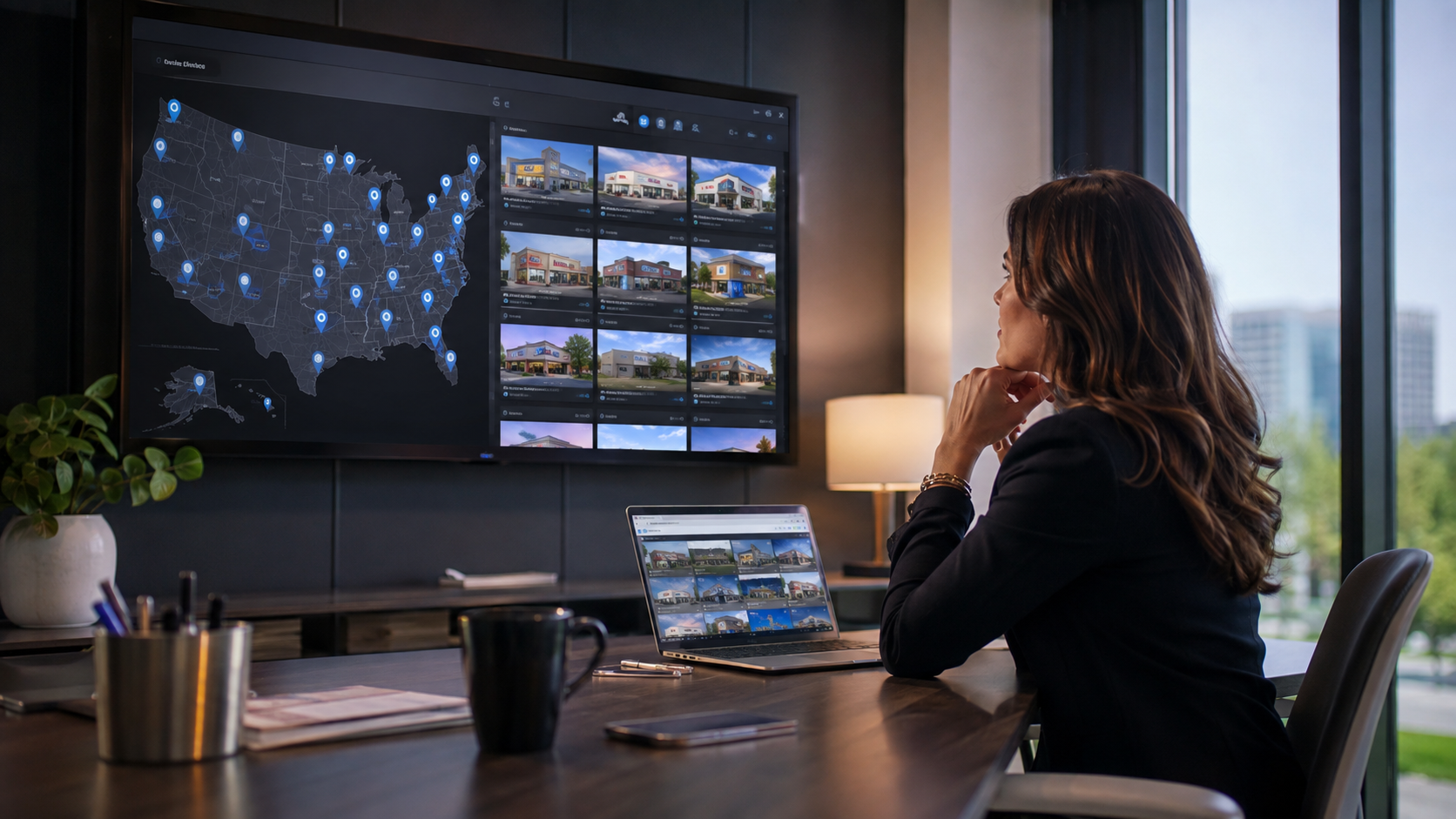
This is where the gap between "one video for everyone" and "custom video everywhere" actually closes: every location gets something built specifically for it, without the franchise needing a dedicated video producer on staff or on retainer at every site.
Common mistakes when producing local franchise marketing videos
- Re-explaining brand guidelines separately for every new location. A brand reference locked once and reused automatically removes this repeated overhead entirely.
- Using one generic national video everywhere. Local relevance, specific instructors, specific facilities, specific community details, tends to convert better than a video that could be advertising any location.
- Assuming local customization requires a local production budget. The brand-locked, detail-swapped approach lets a location manager with no video background still produce something on-brand.
- Treating brand consistency as a one-time setup with no ongoing enforcement. Without a standing reference every new video gets checked against, small brand drift tends to accumulate as more locations produce their own content.
- Not planning for new locations to inherit brand guidelines automatically. A franchise that's still growing benefits from a system where a new location's videos are on-brand from day one, not after a manual onboarding process.
Local marketing scales more effectively when creative and operational systems work together. While AI video tools help each location produce relevant, on-brand content, Omnify’s franchise management software gives owners centralized visibility across locations and helps standardize scheduling, memberships, billing, pricing, and communication as the network grows.

Learn how franchise owners can create on-brand local marketing videos for every location using AI—no videographer or production budget required.