.webp)
How to Launch a Profitable Acro Dance Class at your Youth Activity Center
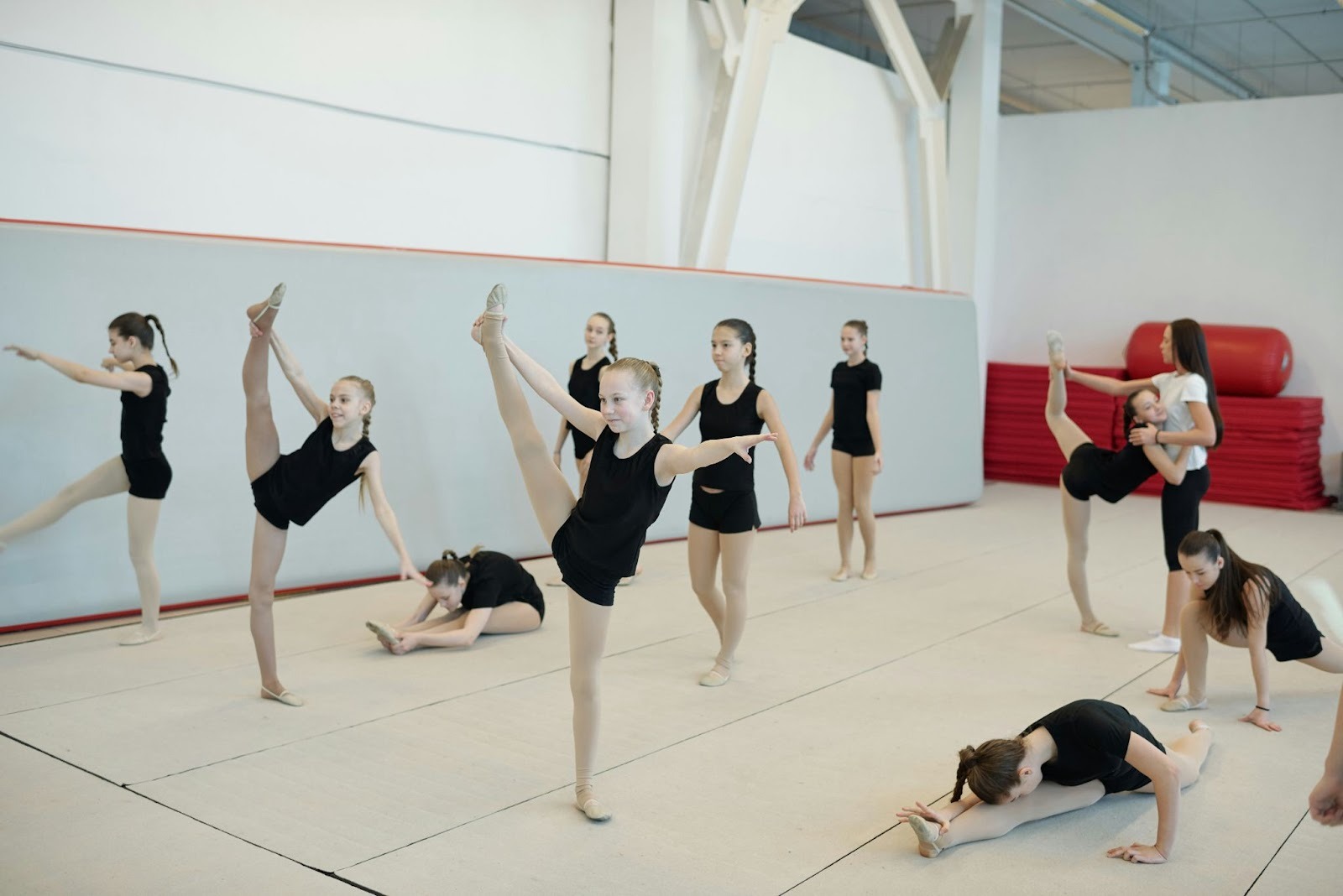
"My daughter won't stop doing backbends in the living room. I need somewhere to send her before she breaks something."
— A parent message that landed in one studio's inbox three years ago. Today, that studio runs six acro classes per week with a waitlist every term.
That message isn't unique. Across youth activity centers and dance studios in the U.S. and Canada, parents are actively looking for something that combines the artistry of dance with the thrill of movement, something that makes their kid feel capable, strong, and genuinely excited to show up every week. That something is acro dance.
And right now, it's one of the fastest-growing hybrid programs in children's fitness and performing arts. But here's the thing most program guides won't tell you: demand alone doesn't guarantee profitability. A lot of studios add acro classes, get a decent first enrollment, and then watch it quietly fizzle out- inconsistent attendance, safety concerns, no clear progression, students who plateau and leave.
For parents, that combination is compelling. It supports strength, flexibility, coordination, discipline, and performance confidence, all within a structured environment. For youth activity centers, children’s gyms, and dance studios, adding an acrobatic dance class isn’t just a trendy move. It’s a high-retention, high-value revenue stream if structured correctly. Moreover, acro dance is naturally upselling with class packs, camps, and private lessons.
However, demand alone does not guarantee profitability. A successful acro program requires thoughtful planning, operational structure, and long-term retention strategy. When implemented carefully, it can become one of the most stable and scalable programs within your center.
This guide is about doing it differently. It walks you through how to build an acro program that students stay in year after year, that parents trust and rave about, and that becomes one of the most stable revenue streams your center has.
7 ways to start Acro-Dance Program at your youth activity center
- Assess Real Demand First
- Build a Curriculum That Tells a Story of Progress
- Prepare your Space with Safety as the Centerpiece
- Hire Instructors Who Can Coach, not just Perform
- Price like a Premium Program, not a Drop-in Activity
- Market the Program through Stories, not Features
- Build Operational Infrastructure Before you Scale
For youth activity centers, children’s gyms, and dance studios, adding an acrobatic dance class isn’t just a trend move. It’s a high-retention, high-value revenue stream, if structured correctly. Here’s a step-by-step deep dive to launching a profitable acro dance program.
1. Assess Real Demand First
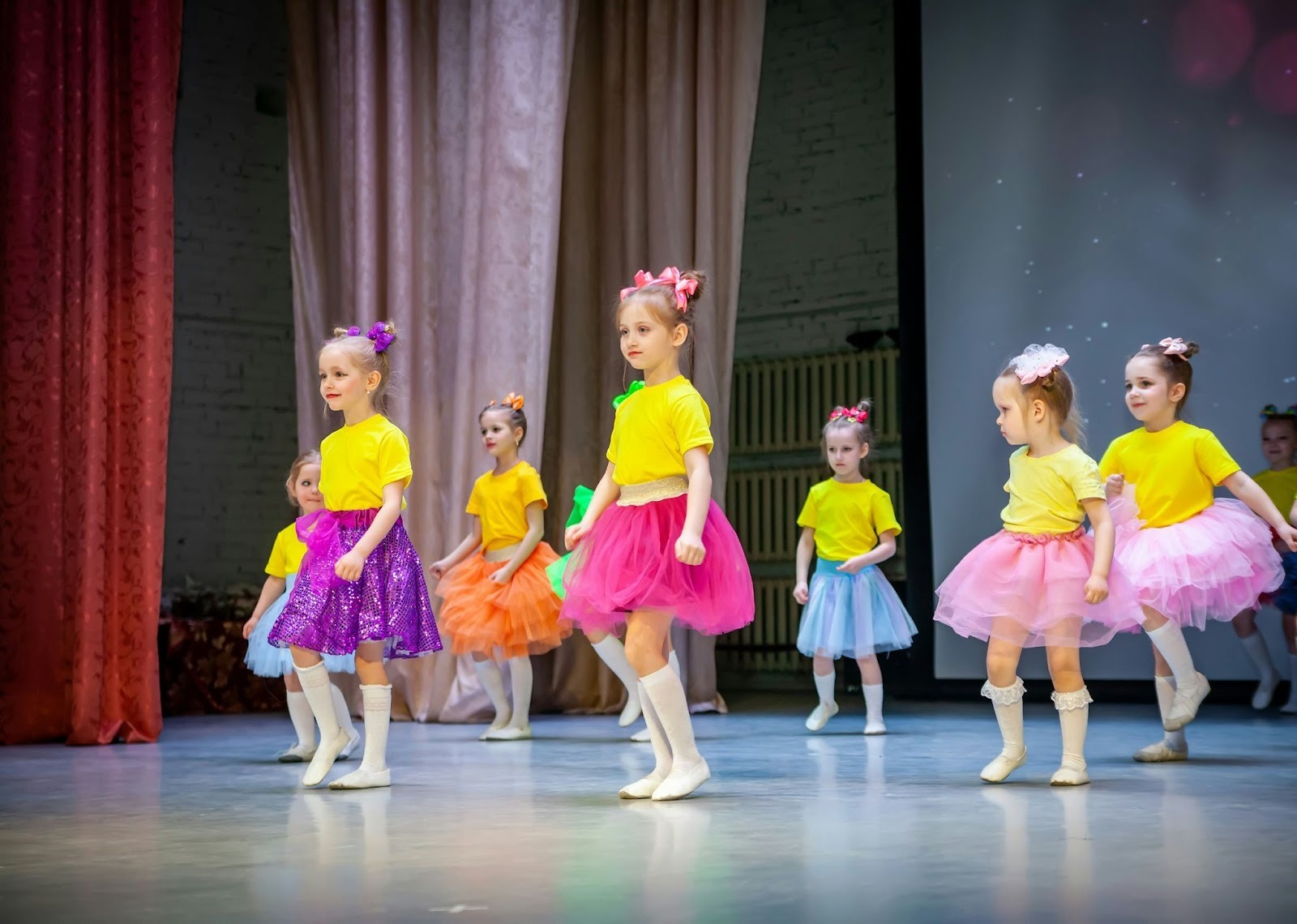
Before you buy a single mat or post a single flyer, talk to the families you already have.
Not a formal survey. An actual conversation. Ask the parents picking up their kids after Tuesday's gymnastics class: "We're thinking about adding acro; would your daughter be interested?" You'll learn more in ten minutes of hallway conversation than in any market research report.
If you're newer to your area or building a program from scratch, look at what nearby studios are offering and more importantly, what they're not.
Test Before You Invest
Run a three-session introductory workshop before finalizing your schedule. Charge a modest fee or keep it free for the first time, that’s enough to signal value, low enough to remove friction. Open a pre-registration list. If it fills in a week, you have your answer. If it doesn't, you've saved yourself from a costly miscalculation.
2. Build a Curriculum That Tells a Story of Progress
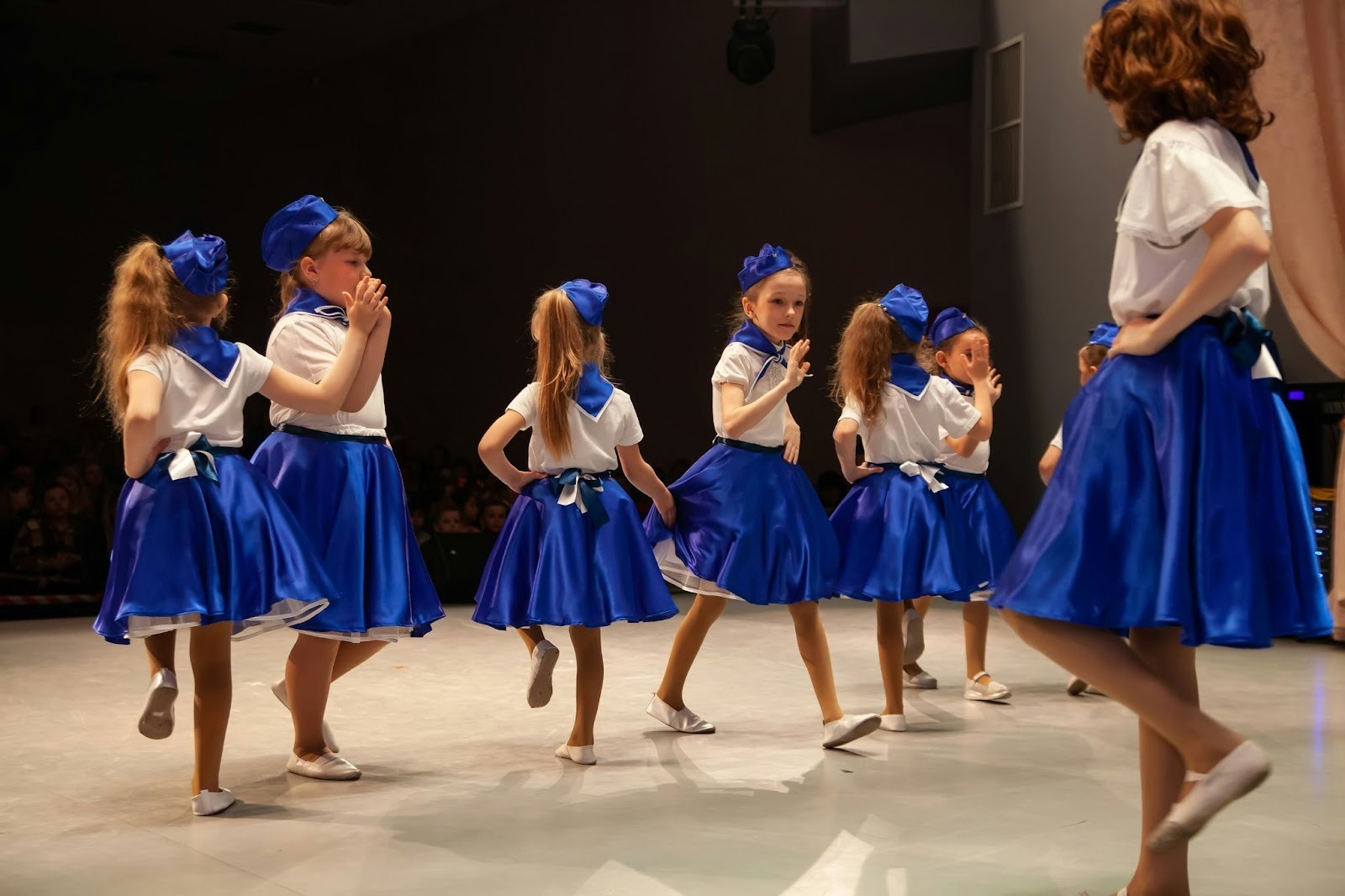
A curriculum that's thoughtfully structured keeps students enrolled in acro for years rather than months. A curriculum with clear levels, age-appropriate progressions, and visible milestones does more for retention than any marketing campaign.
When a 7-year-old walks into class knowing she's working toward her first cartwheel, and walks out having nailed it, that moment creates a family who will re-enroll without you having to ask.
Structure your classes by age and skill level, not just age alone. A 10-year-old beginning acro for the first time has very different needs than a 10-year-old who's been in gymnastics for three years.
Layer in milestone check-ins or small, informal assessments where students demonstrate a skill and occasional showcases where families can watch. These moments give parents tangible evidence of progress.
3. Prepare Your Space with Safety as the Centerpiece
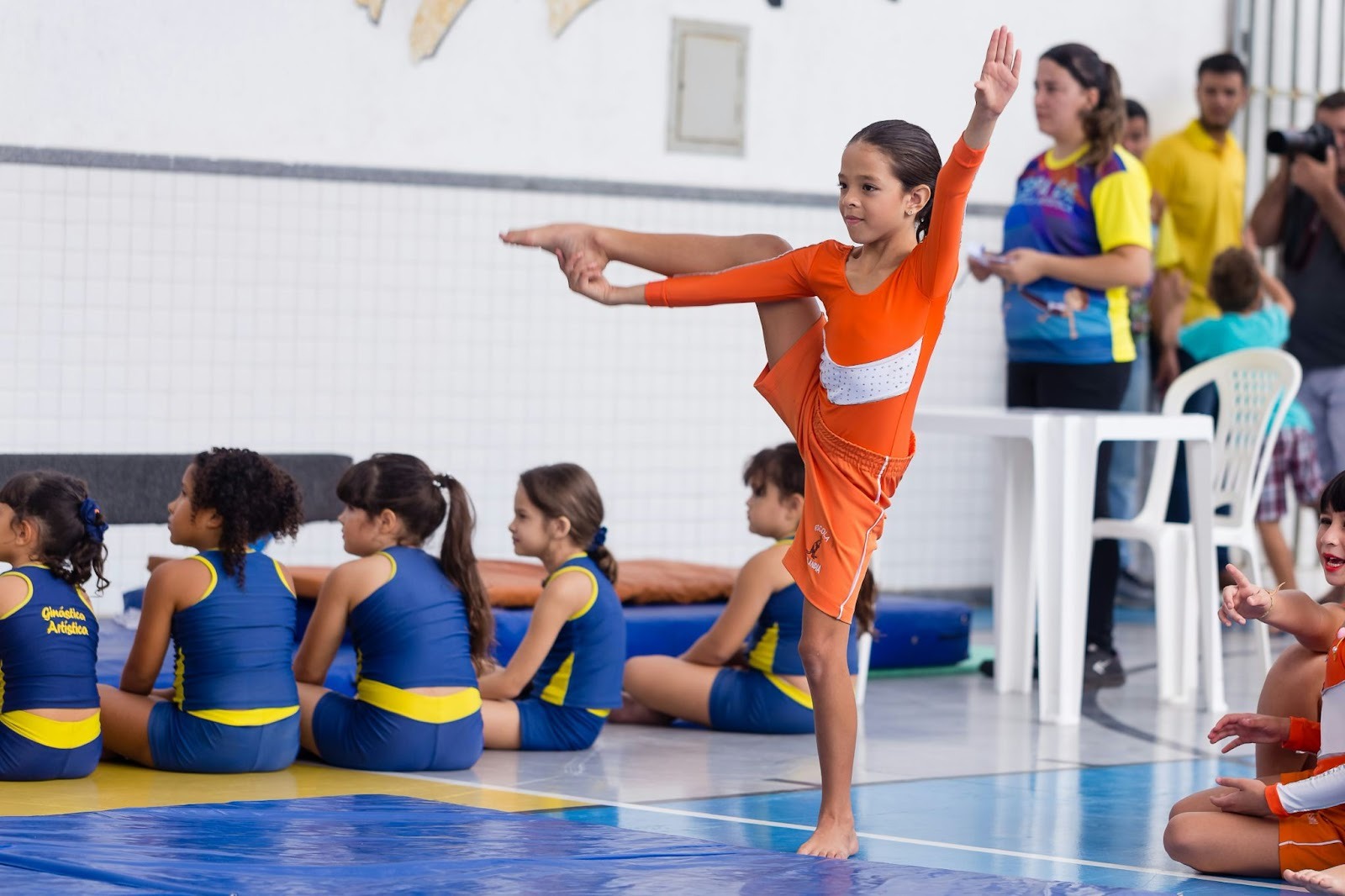
Acro dance doesn't require the infrastructure of a competitive gymnastics facility. But it does require a serious commitment to safety that should also be visible to parents from day one.
The quality of your equipment, the positivity of your space tells a story before the first class even begins. Parents touring your facility are making trust decisions. A well-organized, professionally equipped space communicates that you take their child's safety seriously and that's what converts an interested visitor into an enrolled student.
Always remember that safety isn't just a legal and ethical requirement. It's your single most powerful marketing asset.
4. Hire Instructors Who Can Coach, Not Just Perform
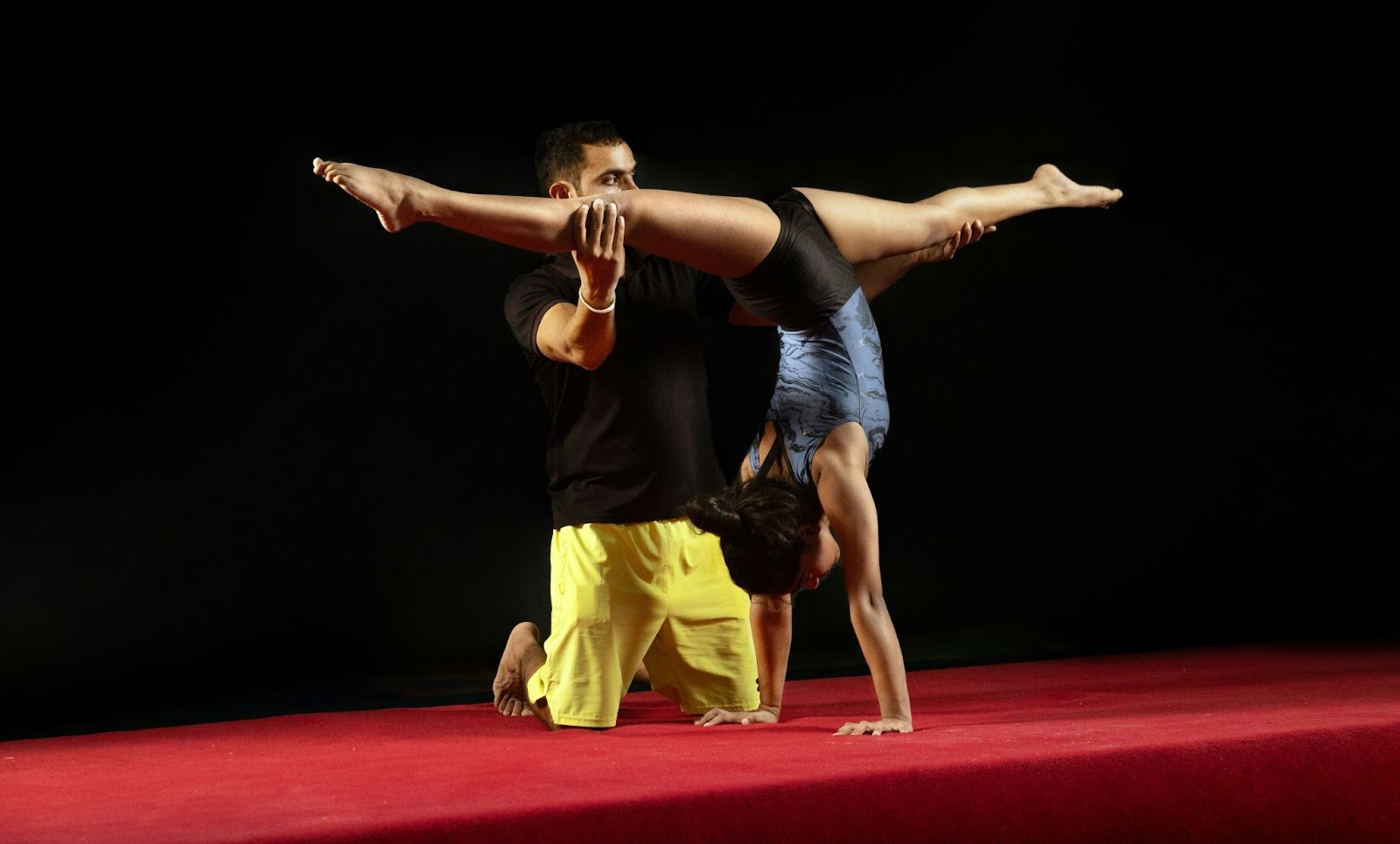
Being skilled at acro and being able to teach acro to young children are two very different things.
When hiring, look for candidates with formal training in both dance and gymnastics or acrobatics. Ask them to demonstrate how they'd introduce a new skill to a hesitant 6-year-old. The answer will tell you everything. Before applying, instructors can also use Mock Interview Practice to rehearse answers to practical questions about coaching, communication, and working with children.
Secondly, when training in-house, invest in acro-specific curriculum certification programs. When all your instructors follow the same structured progressions, students at the same level receive consistent training regardless of who's teaching.
That consistency builds trust and trust drives referrals, which in youth programs is the most powerful form of growth available to you.
5. Price Like a Premium Program, Not a Drop-In Activity
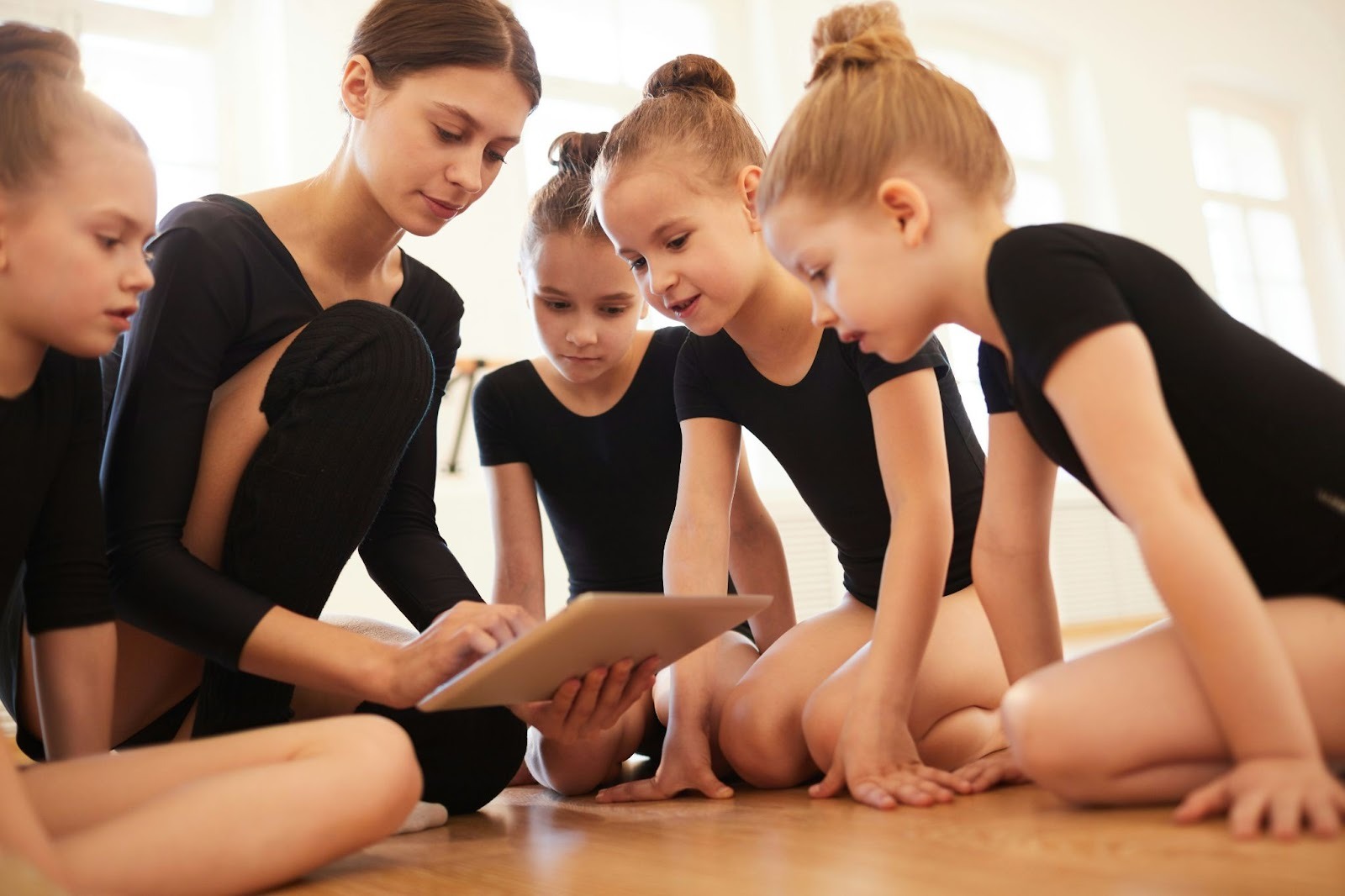
One of the most common and costly mistakes in youth program design is treating acro as a drop-in class.
Drop-in pricing sounds flexible and appealing. But, what it actually creates is inconsistent attendance, uneven skill progression, and unpredictable revenue that makes planning and staffing a constant guessing game.
Instead, position acro as a structured term-based program.
Predictable revenue lets you plan staffing confidently, invest in equipment sustainably, and grow the program without financial anxiety. That stability compounds over time.
6. Market the Program Through Stories, Not Features
Acro dance is one of the most visually compelling youth programs you can offer. Use that.
Short-form video on Instagram and TikTok showing real students working through progressions not just the polished final skills performs exceptionally well with parents.
Because they want to see structured learning, not just impressive tricks. Show a child who couldn't do a cartwheel six weeks ago landing one cleanly today. That video will be shared more than any promotional graphic you post.
For enrollment pushes, introductory workshops and limited-term trial bundles work better than discounts. They lower the barrier to entry while maintaining the perceived value of your program.
7. Build Operational Infrastructure Before You Scale
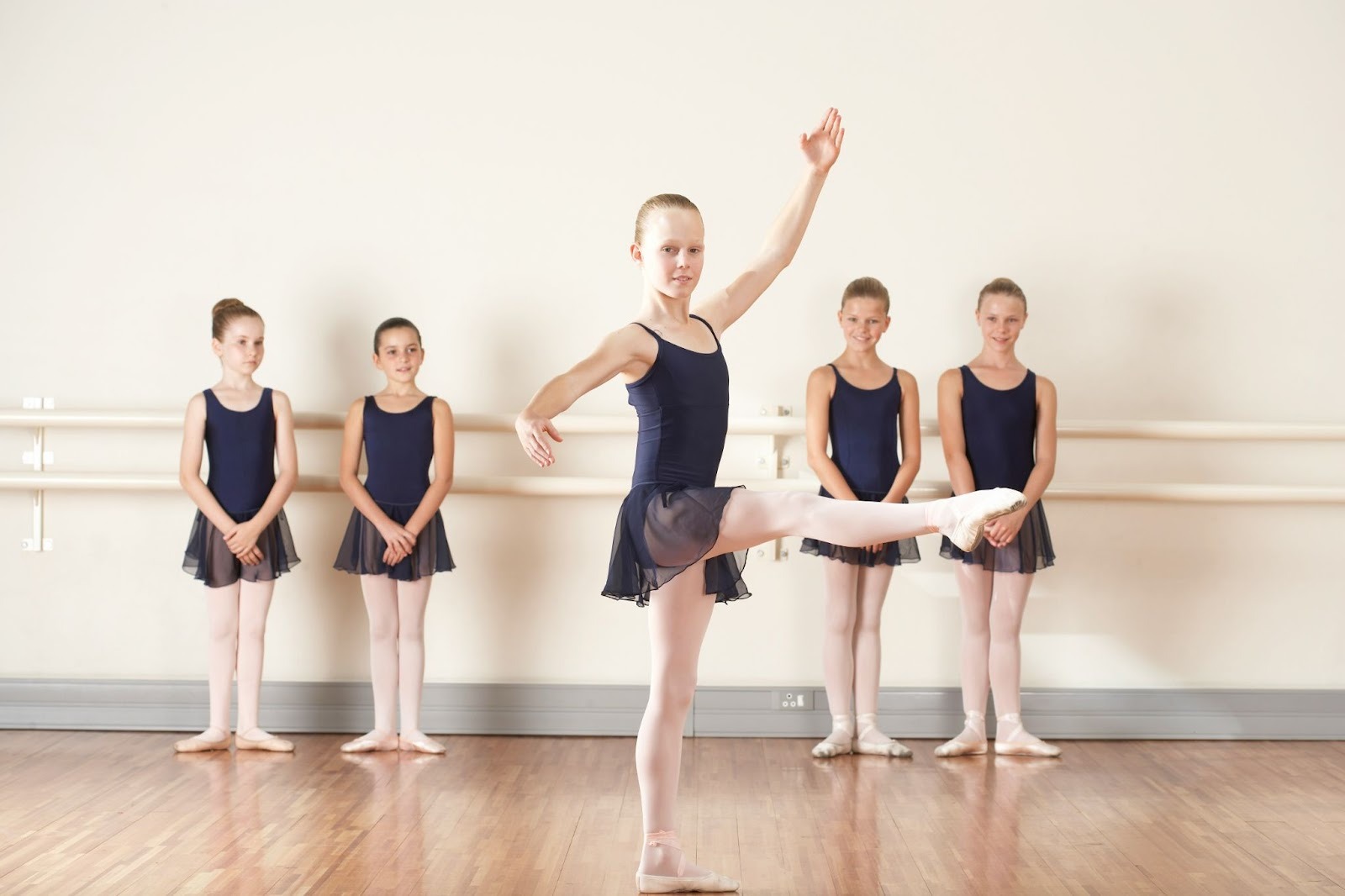
Once your acro program takes off and enrollment climbs. The waiting list grows. And then, the chaos starts!
Manual registrations that fall through the cracks. Payment reminders sent individually. Attendance tracked on paper. Staff spending hours on admin instead of teaching. Families frustrated by disorganized communication.
Growth without infrastructure doesn't feel like success. It feels like drowning. It will feel overwhelming.
Before you push past a single class or two, put systems in place that scale with you.
Platforms like Omnify are built specifically for giving youth activity centers a single place to manage registrations, automate memberships, track attendance, and monitor program performance across multiple class levels. When your operations run cleanly, your margins stay healthy, and your staff stays focused on what matters: the students.
Final Thoughts:
The parent who sent that inbox message about her daughter's living-room backbends wasn't just looking for a class. She was looking for a place she could trust- a structured environment where her child would grow, be safe, and genuinely love showing up.
That's what a well-built acro program delivers. Not just a new revenue stream, but a community touchpoint that families return to year after year.
Launch it thoughtfully. Build the curriculum with progression in mind. Invest in instructors who coach rather than just demonstrate. Price it as the premium offering it is. Market it through the real stories of real students. And put the operational systems in place before enrollment outpaces your capacity to manage it. Acro dance won't just be one more class on your schedule. It'll be one of the most stable, high-retention programs in your entire portfolio.
Ready to launch your acro program with the right infrastructure? See how Omnify helps youth activity centers manage enrollments, automate billing, and scale with confidence.
Learn how to launch a profitable acro dance class at a youth activity center. Structure progression, ensure safety, & build a sustainable revenue stream.