Why Accurate Data Annotation Matters for AI Sports Performance Models
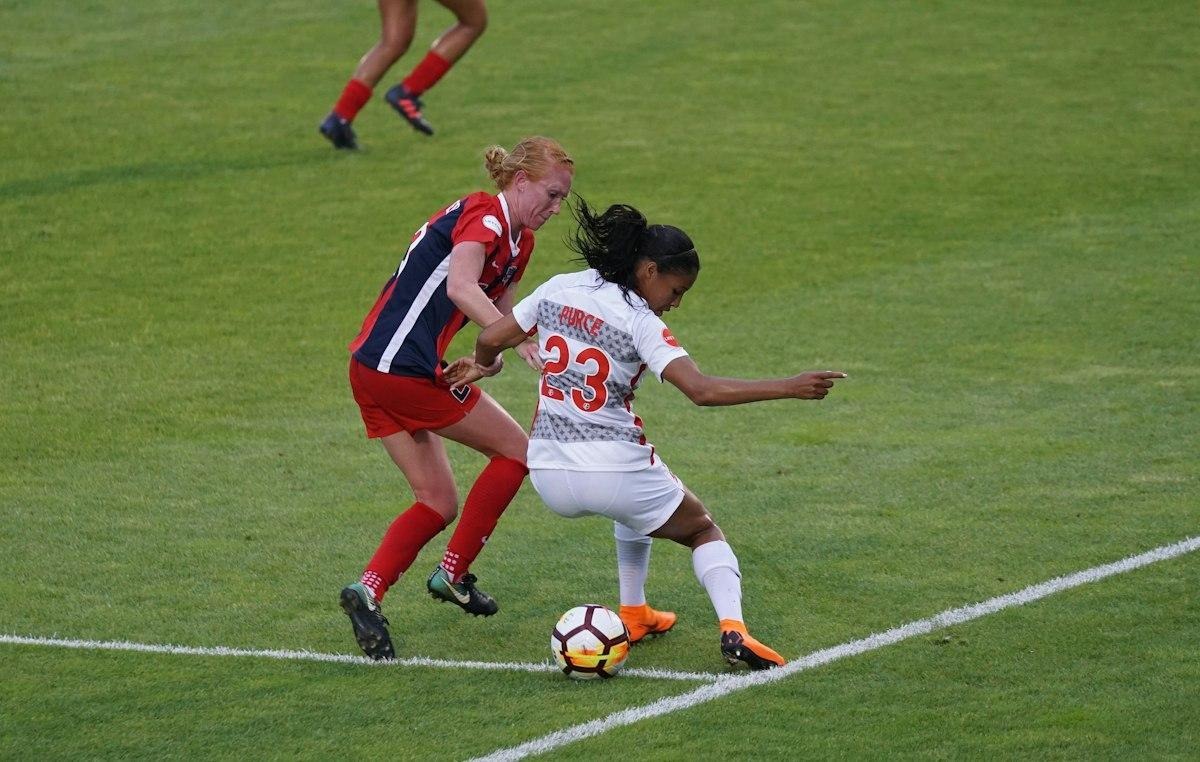
A player’s running distance looks unusually high. Was it a tough match, or did the tracking system mix them up with a teammate for a moment? Data annotation for sports analytics helps engineers train models to follow the right player and check the numbers AI produces.
Small labelling errors can end up in the reports your coaches rely on. Some change a single statistic. Others make a model look better in testing than it performs on new footage. Knowing the difference helps you decide what to check before you trust a performance report.
How a Labelling Error Reaches a Player Report
Picture two teammates crossing during a counterattack. The boxes are correct, but the annotator assigns them to the wrong players for several frames. The images still look neatly labeled, but the movement records now belong to the wrong people.
Train a model on enough examples like this, and it gets conflicting instructions about who’s who. If the same mistake shows up in the test labels, reviewers can end up rewarding a wrong prediction or penalising a correct one.
The impact depends on what your app tracks. Mixing up two players can put movement data under the wrong name. A wrong event label can credit a pass to the wrong player. Marking the knee in the wrong spot can lead to an incorrect joint angle.
These errors need different checks. Reviewing box edges won’t reveal a wrong player identity, and checking event totals won’t tell you who received credit. That’s why sports data quality needs a definition tied to the report you plan to produce.
For teams building these datasets, data annotation for AI in sports involves defining what counts as a correct label for each task. A player detector needs accurate locations. A movement model also needs a consistent record of who appears in each frame.
Three Sources of Errors in Sports AI Reports
An odd result can come from a labelling error, a model mistake, or unclear footage. You need to know the cause to fix it.
The Right Player Gets the Wrong Identity
To track a player, the system needs to recognise the same person in each frame. For example, soccer tracking benchmark evaluates detection and association separately within its main metric. That makes it easier to tell missed objects apart from failures to keep identities consistent.
When you review your own data, follow complete sequences through crowded play. Isolated screenshots can hide the exact moment two identities switch. If an identity is uncertain, mark it that way instead of treating a guessed jersey number as confirmed.
Two Reviewers Mean Different Things by a Pass
One reviewer records a deflected pass as completed because the ball reaches a teammate; another records an interception followed by a recovery. Both describe the same footage, but their labels teach different event definitions.
Sports machine learning needs consistent rules for borderline cases like these. Your analysts should agree on how to handle deflections and disputed possession, then add reviewed clips to the labelling instructions. A written definition on its own can still leave room for different readings.
The Camera Cannot Show the Measurement
Accurate labels don’t make every broadcast a reliable source of physical measurements. A player running toward the camera can cover a lot of ground while barely moving in the image.
To estimate distance in meters, the system needs a proper mapping between image positions and the pitch. Camera movement makes that mapping harder. Labels can support calibration, but they can’t recover an off-screen run the camera never caught.
Why Sports AI Testing Needs Unfamiliar Match Footage
Your test set should reveal how the model handles unfamiliar footage. Randomly splitting frames from the same match can work against that goal. Near-identical scenes may appear in training and testing, making the evaluation easier than deployment.
Keep related footage together when you divide the dataset. Splitting by match helps prevent overlap. If your product will serve new venues, also test on stadiums and camera setups the model didn’t see in training.
The mix of examples matters, too. Clear, unobstructed players may dominate a dataset. A strong overall result can then hide poor performance during crowded corners, where individual reports still need correct identities. Review such groups:
- Players partially hidden by opponents.
- Wide shots with small player images.
- Sudden camera cuts or zooms.
- Similar uniforms under difficult lighting.
Report results for these groups next to the overall score. You’ll see where the model struggles and which new examples would help, instead of ordering another big batch of similar footage.
Trace Player Statistics Back to Match Footage
AI performance analysis needs a second layer of testing after the model output. A detector can improve while the final player report remains wrong because the software combines observations incorrectly.
Your system might recognise a shot in both live footage and its replay. If the reporting logic treats them as separate events, the player receives two attempts. Better shot detection alone won’t fix that count. Compare a sample of final reports with expert-reviewed match segments. Trace disagreements back to the source clip, then identify the stage that introduced them. This makes it easier to separate a labeling correction from a tracking failure or a reporting bug.
Reviewers also need a clear correction process. Record rule changes so your team knows which definition each dataset version uses. Otherwise, your next model comparison might reflect different labels rather than a real improvement.
The same discipline applies to sports data annotation after launch. New camera positions and unfamiliar competitions can expose gaps that your original tests missed. Keep those cases for review instead of treating every user complaint as an isolated exception.
Conclusion
A useful performance report lets your coach go back to the play behind a surprising result. That link makes mistakes easier to investigate and gives the team a reason to trust the corrected data.
Before you expand coverage, check a few complete player reports against the footage. Tracing one wrong distance or misassigned pass will teach you more than reviewing a big accuracy score with no context.

See how data annotation for sports analytics affects player statistics, model testing, and the quality of performance reports.