.webp)
Distribution Is Harder Than Building: What I Learned at Omnify
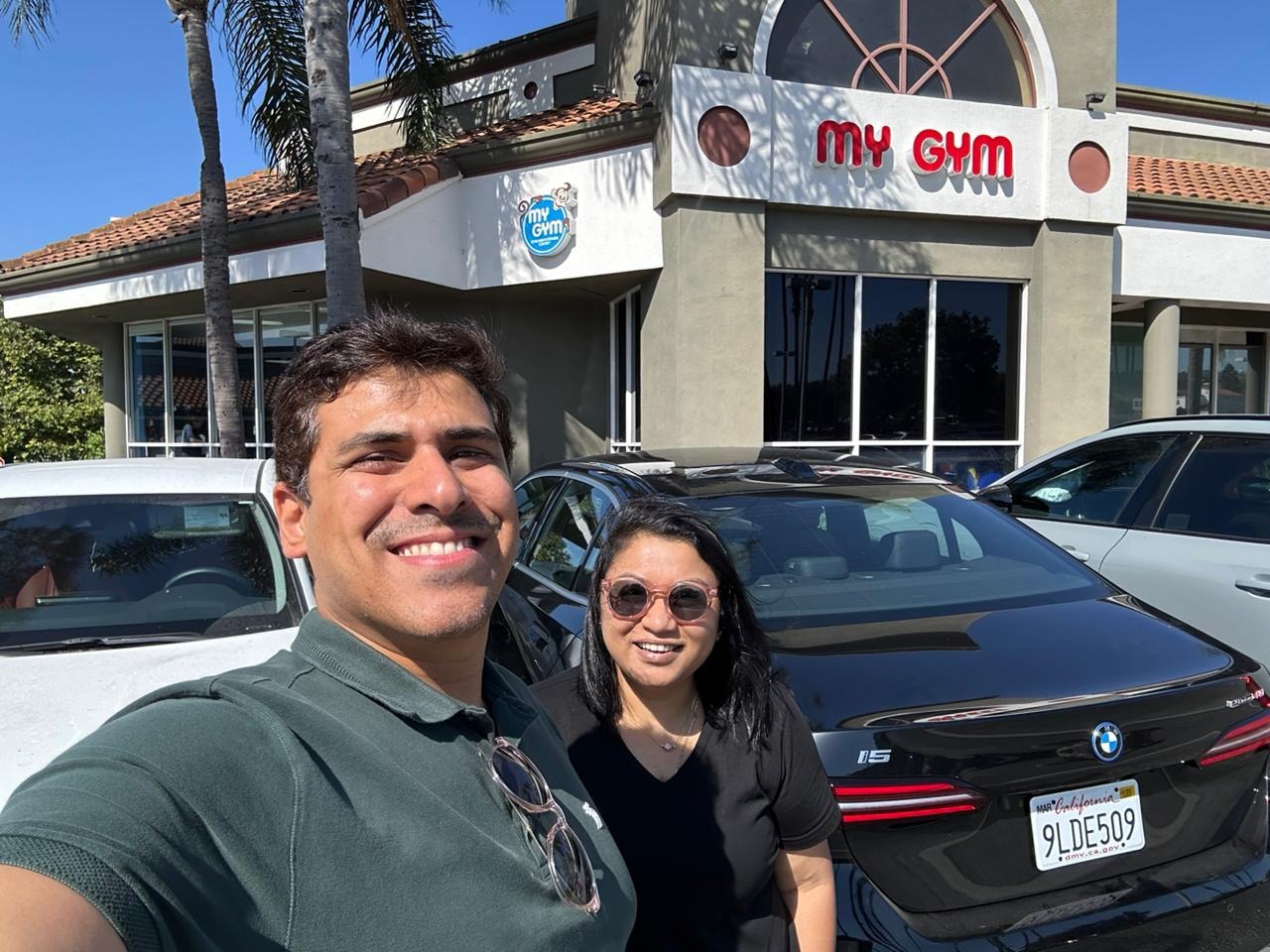
In 2016, Omnify had four people in a small co-working space in Bangalore. We knew how to build. What we didn't know was how to get what we built in front of the people who needed it. Nearly a decade later, I've come to believe that's the harder problem. It's the reason I left to co-found maarket.ai, a distribution platform for products. But most of what I know about distribution, I learned at Omnify. Here's that journey, and what I'd tell any founder starting out today.
We went global on day one
Our first decision was to sell to the world, not just India. In practice that meant unglamorous plumbing: a Stripe account and the infrastructure to accept payments from anywhere. It sounds basic, but it shaped everything after. If your product can only be bought locally, your distribution ceiling is local too.
SEO was our first real channel
In 2016 there weren't many obvious distribution channels. Product Hunt was new, and we didn't know about most of what existed anyway. So we put our time into the one channel we could control: our website.
Early on, we worked with an SEO consultant, Oleg (now in London, and still a dear friend). He showed us how to structure a website in ways we had never considered:
- Subfolders for the blog, so content built authority for the main domain
- Dedicated pages for use cases, organized around the problems we solved
- Keyword-led page creation, so new pages targeted what people were actually searching for
We wrote content around the top search terms in our space, and that became our first source of inbound traffic. It's still Omnify's primary channel today, bringing in everyone from small businesses to enterprises.
A big launch created noise we couldn't have bought
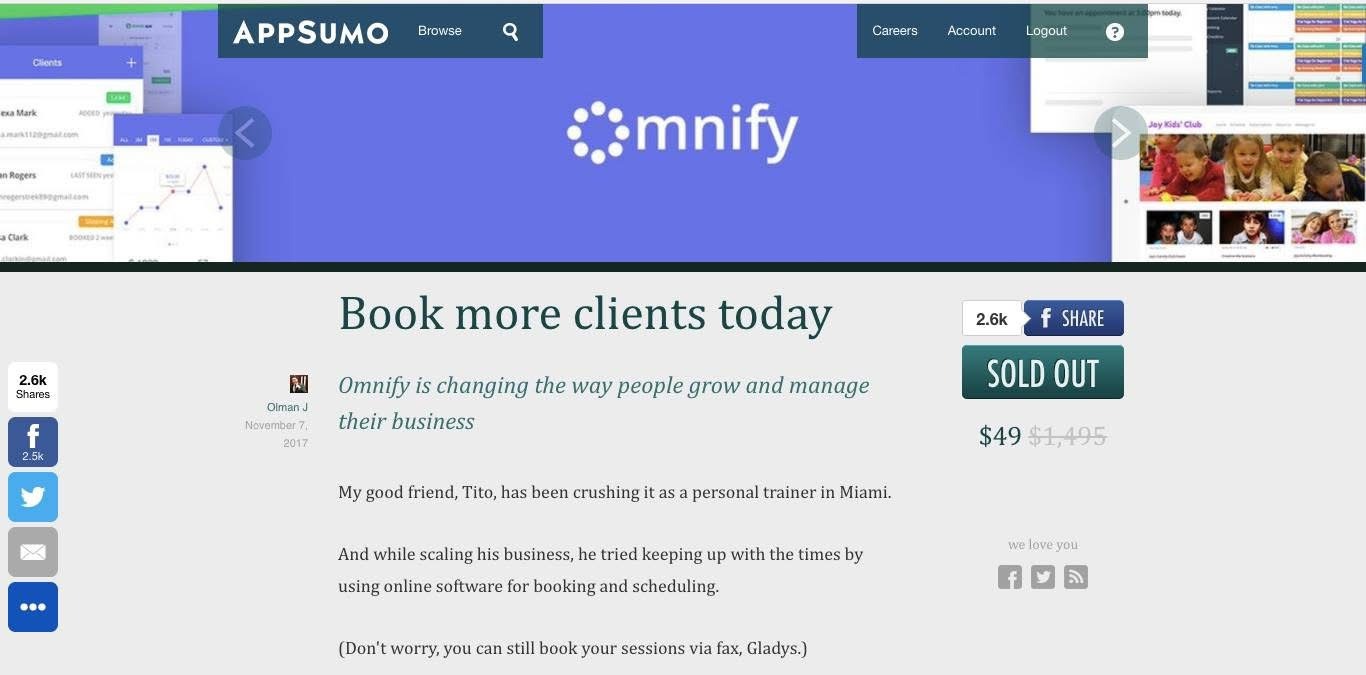
Around 2017, we ran a launch that brought in roughly 3,500 lifetime customers. That's a lot of users on a deal that doesn't pay you again, and on paper you could argue about whether it was worth it.
But the second-order effects were huge. The launch generated buzz around the product, earned us backlinks, and got word of mouth going. It fed directly back into the SEO engine we were building.
Lesson: judge a launch by what it does for your distribution flywheel, not only by the revenue it brings in.
When you don't know growth, borrow it from peers
We were a tech team trying to figure out marketing, and there weren't many marketers around us to learn from. Today founders learn in public on X. Back then that community didn't really exist yet. So we went looking for it.
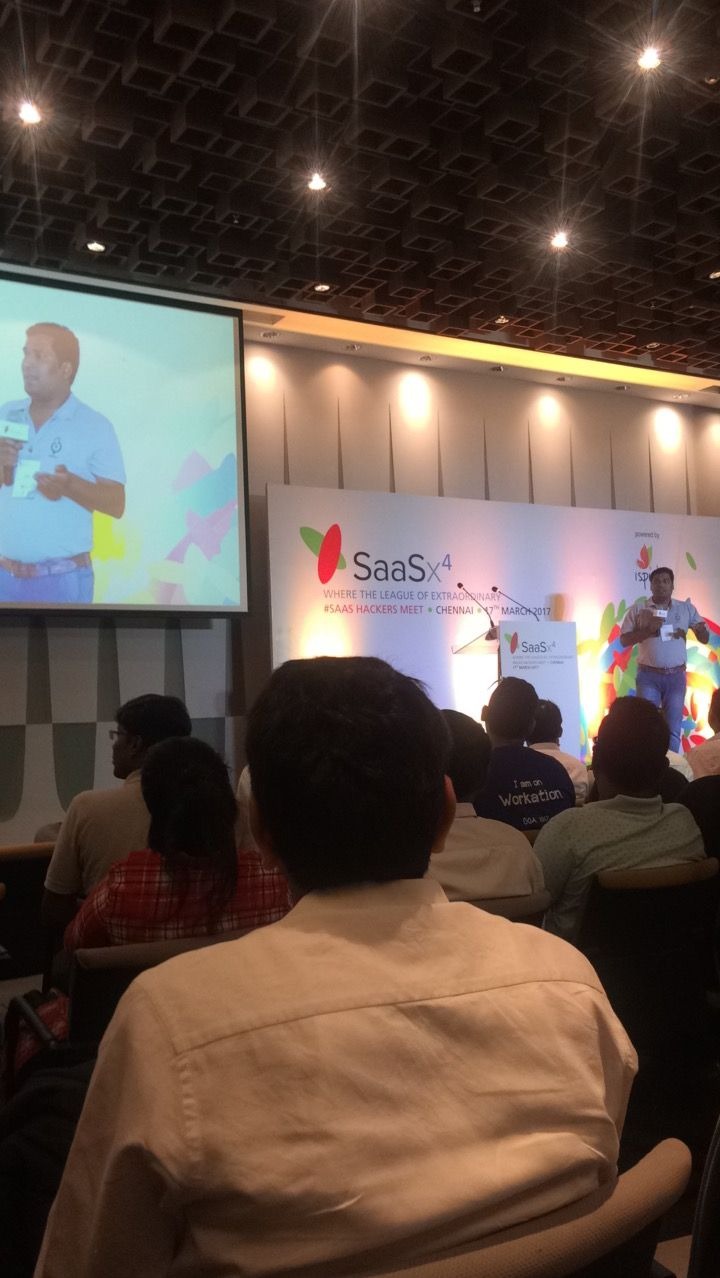
- SaaSBoomi. When it was just starting, we volunteered for a product teardown and got selected. We were put on stage while some of India's best founders reviewed our website and inbound funnel and gave us notes. It remains one of the most valuable sessions we ever had.
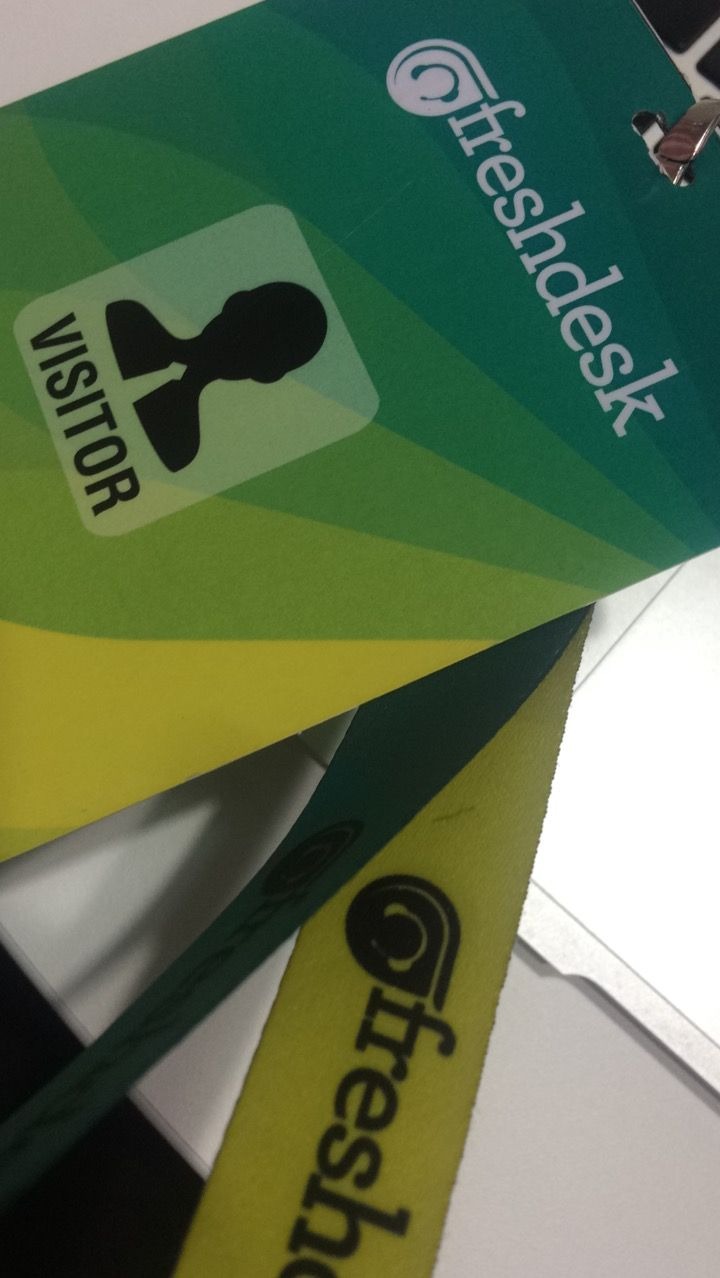
- Freshworks. A few of our angel investors worked at Freshworks, then India's top SaaS company alongside Zoho. We spent almost two days at their office in Chennai learning how their growth engine worked, and brought much of it back to Omnify.
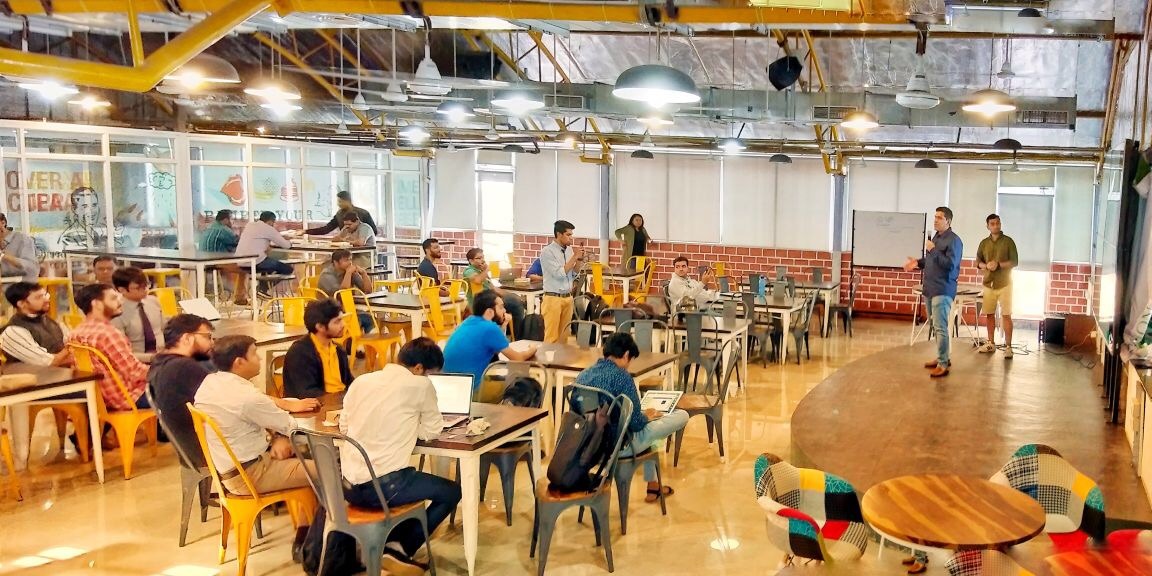
- Our own events. We hosted B2B SaaS events when very few existed, and the attendees were founders and growth marketers. Those rooms gave us momentum and a network we couldn't have built alone.
We were experimenting, thinking on our feet, and doing things that none of us in our community were doing. That combination gave us our early boost. That experience of peers pointing each other to what actually works stuck with me. It's a big part of why maarket.ai is community-powered today.
The pandemic changed the playbook
Distribution before and after 2020 were two very different worlds. During the pandemic, our growth came mostly from channel partners and word of mouth. For about two years, those carried us. Post pandemic, we attended niche vertical events, met customers and kept on building and growing.
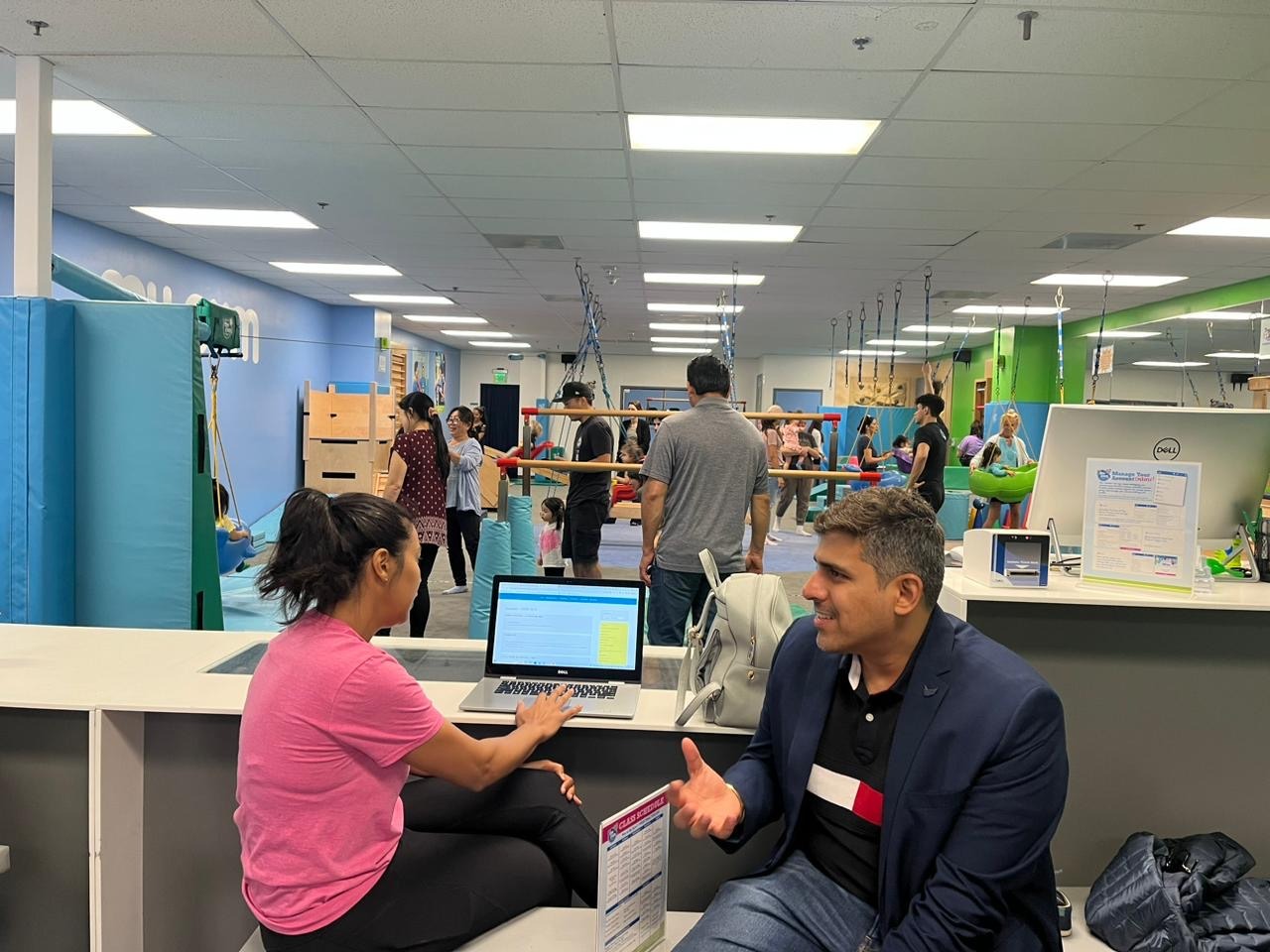
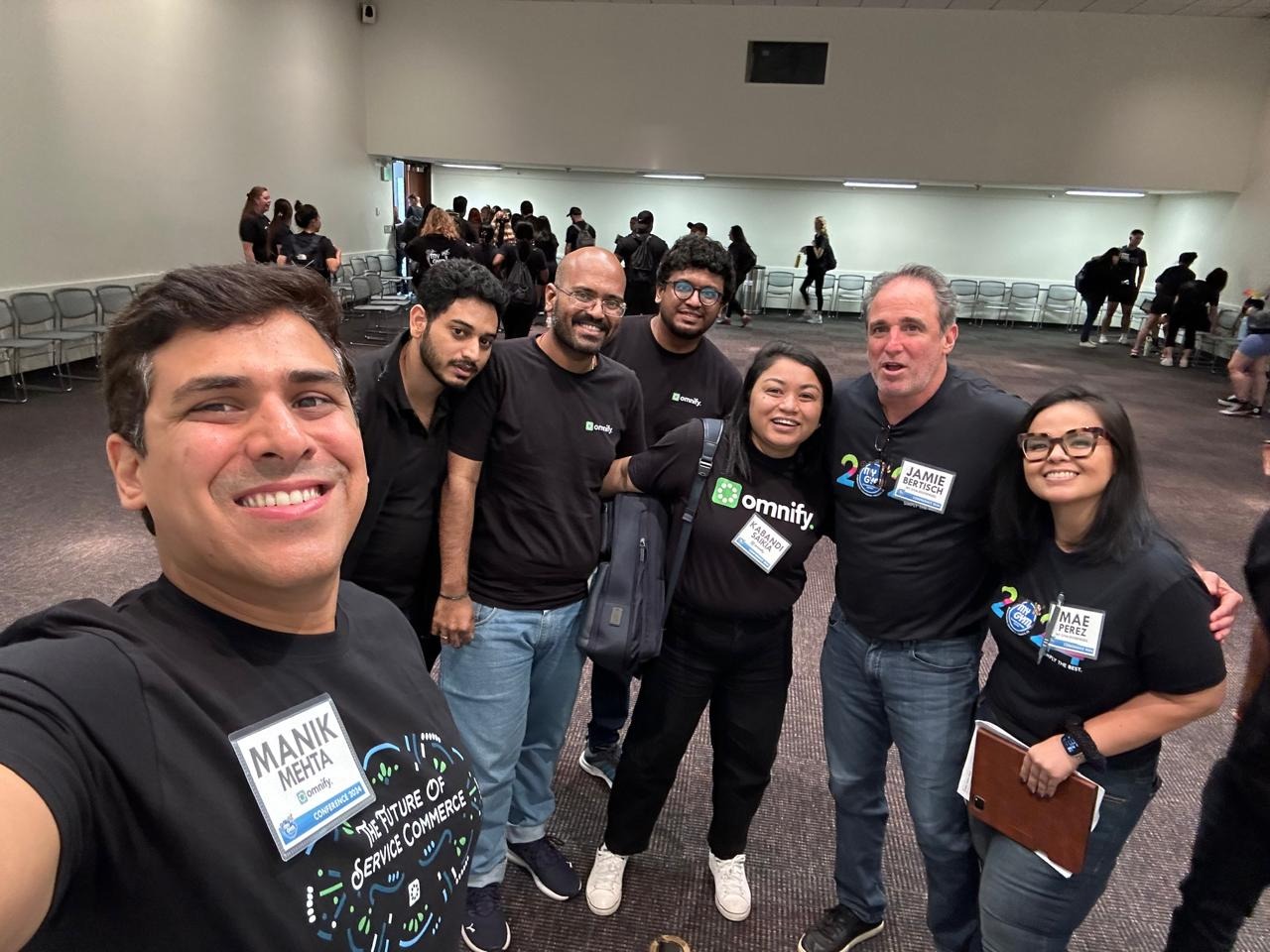
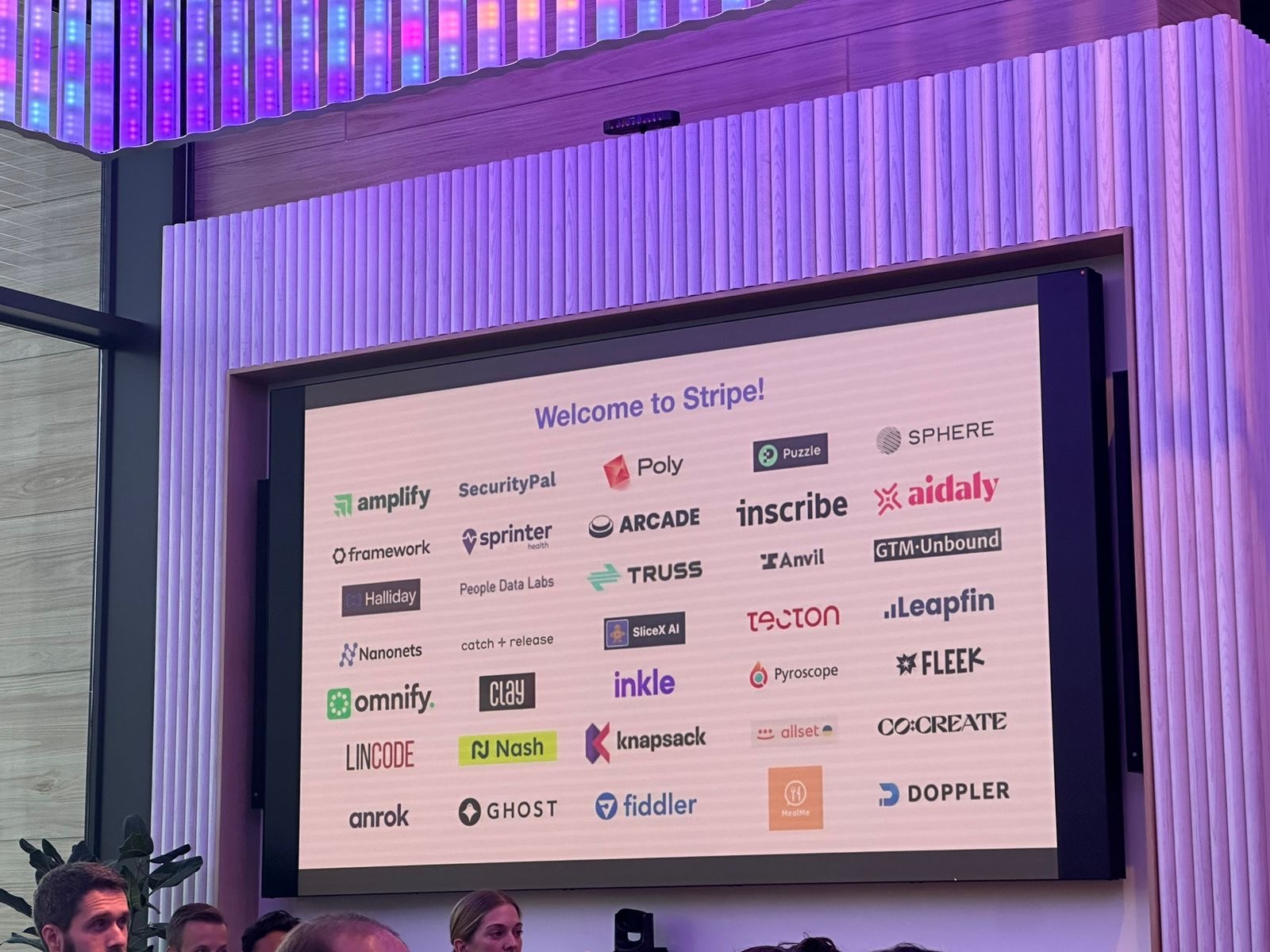
When things returned to a new normal, we went back to our foundation and rebuilt the entire SEO engine from scratch. I documented what we did in a playbook, and we redid everything. Channels that worked in 2017 needed to be re-earned in 2022.
Then AI arrived
Before I left Omnify, we had started adapting to how people now find products: through AI answers, not just search results. That meant:
- Optimizing to show up in AI answer engines
- Investing heavily in guest posting
- Building a three-person content team to produce content consistently
- Experimenting with Instagram, which didn't grow huge but brought in highly relevant leads
The channels keep shifting. The discipline of investing in them doesn't.
What I'd tell founders today
1. Your product will change. Your distribution should compound. We rebuilt Omnify multiple times. The website, and the inbound engine behind it, is what we kept investing in, and it's what paid off.
2. Start SEO before you think you need it. Omnify's domain rating sits in the 60s today. That doesn't happen in a quarter. It's years of structured, consistent work.
3. Don't learn growth alone. Teardowns, peer sessions, and events taught us more than any course could have. Ask for feedback publicly, even when it's uncomfortable.
4. Expect to rebuild your channels. What worked pre-pandemic didn't work during it, and what works in search is changing again with AI. Plan for it.
Why I'm building maarket.ai
Looking back, Omnify had advantages most founders don't: early SEO guidance, a launch that created noise, angels who opened doors at Freshworks, and years to compound. Most founders today ship faster than ever, then launch into silence.
That's the gap we're building maarket.ai for. Our first offering is a community-powered directory where products rank on Karma Points earned through real user actions, like reviews, recommendations, and people saying "I use this." The goal is simple: help buyers find the right products, and give good products a fair shot at being found.
We launched just this month, which means I'm back at the very start of the distribution curve. I catch myself wondering when we'll reach a DR like Omnify's. That's the clearest proof I have of the lesson: building a product is hard, but building a channel that brings customers to your door, year after year, is harder. At Omnify, we somehow nailed it. Now I get to do it all over again.

What 10 years at Omnify taught me about SEO, launches, partnerships, community, AI discovery, and building distribution channels that compound over time.