.webp)
How Can Public Pools Manage Lane Traffic During Peak Hours

If you manage a public pool, you're probably familiar with the rush that comes during peak hours. Early mornings, after-school programs, swim team practices, and evening fitness sessions can quickly fill lanes, leaving swimmers frustrated and staff struggling to manage traffic efficiently.
As participation grows, lane congestion becomes more than just a swimmer inconvenience. It can impact safety, reduce the quality of the swimming experience, create operational challenges for staff, and limit your facility's ability to accommodate demand.
The good news is that reducing lane traffic doesn't always require expanding your facility or adding more lanes. Many of the most effective solutions come from better planning, smarter scheduling, clear pool usage policies, and data-driven operational decisions.
By combining proven lane management strategies with modern pool management technology, public pools can improve swimmer flow, optimize resource utilization, and deliver a safer, more enjoyable experience for everyone in the water this summer!
Why Is Lane Congestion a Growing Challenge?

Peak-hour congestion affects more than just swimmer comfort. When multiple swimmers compete for limited lane space, facilities often experience:
- Longer wait times for swimmers
- Increased complaints and member dissatisfaction
- Difficulty accommodating lessons, clubs, and recreational users simultaneously
- Inefficient lane utilization during off-peak periods
- Higher administrative workload for staff managing schedules manually
Many pools still rely on static lane assignments, paper schedules, or first-come-first-served systems. While these methods may work during slower periods, they become difficult to manage as participation increases.
How can public pools serve more swimmers without expanding their facilities?

- Using Data to Understand Peak Usage Patterns
- Implement Lane Reservation Systems
- Create Smarter Scheduling Policies
- Encourage Off-Peak Participation
- Ensure Fair Access with Booking Restrictions
- Improve Real-Time Visibility for Swimmers
- Improve Staff and Resource Planning
- Leverage Technology for Better Pool Operations
- Use Speed-Based Lane Designations
- Establish Clear Pool Usage Guidelines
Let’s understand each of these points clearly.
1. Using Data to Understand Peak Usage Patterns
The first step toward reducing lane traffic is understanding when and how congestion occurs.
Many facilities assume they know their busiest hours, but usage patterns often vary by season, program type, and member demographics. Tracking attendance, reservations, and lane utilization provides valuable insights into:
- Most crowded time slots
- Underutilized hours
- Popular swim programs
- Lane occupancy trends
- Seasonal demand fluctuations
By analyzing this data, operators can make informed decisions about scheduling rather than relying on assumptions.
2. Implement Lane Reservation Systems
One of the most effective ways to reduce peak-hour congestion is through lane reservations. Instead of allowing unrestricted lane access during busy periods, facilities can offer swimmers the ability to reserve lanes in advance.
This approach helps operators with the following:
- Prevent overcrowding
- Distribute demand more evenly
- Improve swimmer experience
- Reduce uncertainty for visitors
- Gain better visibility into expected attendance
Pool reservation systems also allow operators to set capacity limits, ensuring lanes remain comfortable and safe for users. From the swimmer's perspective, knowing a lane is available before arriving eliminates frustration and encourages repeat visits.
3. Create Smarter Scheduling Policies
Not all swimmers have the same needs. Competitive athletes, lap swimmers, beginners, swim teams, and recreational users often require different lane configurations and schedules. Rather than treating all usage equally, pools can segment lane availability based on demand patterns.

You may also introduce reduced time-limits for swim sessions during peak hours. When demand exceeds capacity, implementing time limits can help ensure fair access for all users. Limiting lane sessions to 30–45 minutes during the busiest periods prevents a small number of swimmers from occupying lanes for extended periods.
Technology platforms can easily automate these schedules and instantly communicate availability to swimmers, eliminating confusion and reducing administrative effort.
4. Encourage Off-Peak Participation
One of the most cost-effective ways to reduce lane congestion is by shifting demand to less crowded times.
Public pools can incentivize off-peak usage through:
- Discounted swim sessions
- Special memberships for daytime access
- Loyalty rewards
- Flexible booking packages
- Promotional campaigns targeting retirees, remote workers, or students
Many swimmers are willing to adjust their schedules when given a clear incentive. By spreading participation across more hours of operation, facilities can maximize existing lane capacity without requiring additional infrastructure investments.
5. Ensure Fair Access with Booking Limits

To create a more equitable experience, pool operators should consider implementing booking restrictions that limit how frequently an individual can reserve peak-hour lanes.
For example, a facility might allow swimmers to book only one peak-hour lane session per day or a set number of sessions per week. This ensures that lane availability is distributed more evenly across the community rather than concentrated among a small group of frequent users.
These restrictions can be tailored based on facility needs. Operators may choose to apply different rules to lap swimming, recreational swimming, swim teams, or special programs. Some pools also establish household-level limits to prevent a single family from occupying a disproportionate share of available slots.
Fair-access policies improve member satisfaction by giving more swimmers an equal opportunity to use the facility during high-demand periods. They also help pool managers maintain transparency around capacity management and reduce complaints about limited availability.
6. Improve Real-Time Visibility for Swimmers
A common cause of congestion is the lack of visibility into current lane availability. When swimmers arrive without knowing how busy the pool is, overcrowding becomes inevitable during popular times.
Providing real-time information through online booking systems or mobile-friendly interfaces allows users to:
- Check lane availability before arriving
- View upcoming schedules
- Reserve sessions instantly
- Avoid overcrowded periods
This transparency empowers swimmers to make informed decisions while helping facilities manage traffic more effectively. Modern pool management software makes this process seamless by connecting schedules, reservations, and attendance data into a single system.
7. Improve Staff and Resource Planning

Understanding when your pool is busiest helps you schedule lifeguards, instructors, lanes, and equipment more effectively. With better visibility into demand patterns, you can reduce scheduling conflicts, make better use of pool resources, and maintain a safe, high-quality experience for swimmers without overstaffing or underutilizing your facility.
What can you do to improve operational efficiency?
- Scheduling lifeguards based on occupancy forecasts
- Preparing lanes for specific activities
- Managing equipment distribution efficiently
- Reducing last-minute scheduling adjustments
8. Leverage Technology for Better Pool Operations
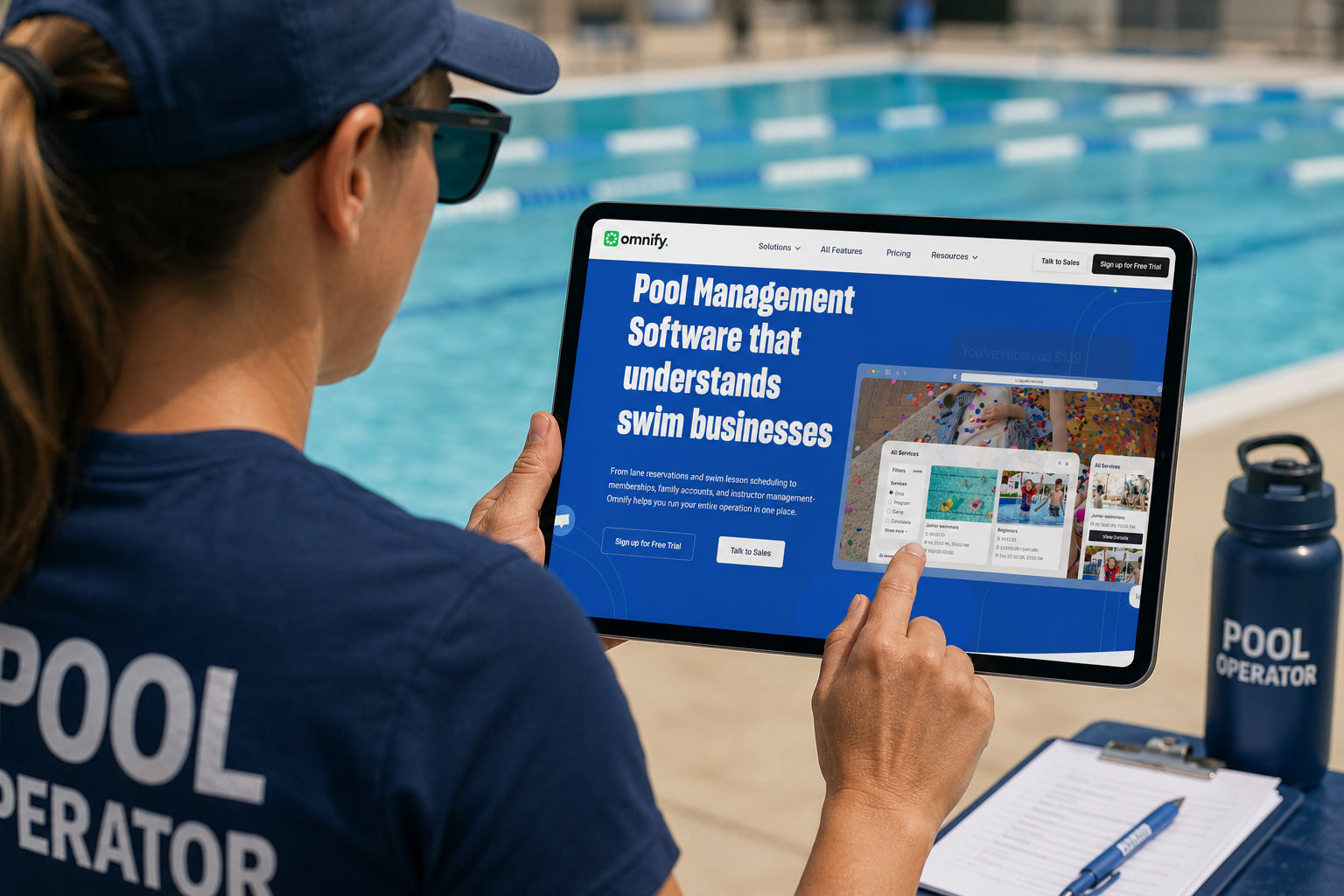
Instead of reacting to congestion after it occurs, facilities can proactively manage traffic using real-time data and automated workflows. Today's leading aquatic facilities rely on more than manual scheduling and observation. Modern pool management platforms provide real-time visibility into usage patterns, occupancy trends, and program demand, enabling operators to make smarter decisions across staffing, lane management, scheduling, and facility planning. The result is a more efficient operation, better resource utilization, and an enhanced experience for swimmers at every visit.
Pool management technology provides operators with tools to:
- Manage lane reservations
- Track attendance and capacity
- Analyze usage trends
- Automate scheduling
- Process bookings online
- Generate operational insights
Read more on How Technology is Transforming Pool Operations for Businesses
9. Use Speed-Based Lane Designations
Not every swimmer moves at the same pace, which is often the root cause of lane congestion. Public pools can designate lanes based on swimming speed such as Slow, Medium, Fast, and Aqua Jogging and clearly communicate these categories through clear poolside signage and lane markers help swimmers self-select the appropriate lane, improving traffic flow and reducing conflicts.
When swimmers choose lanes that match their pace, traffic flows more naturally and overtaking becomes less frequent. This simple adjustment helps prevent bottlenecks and reduces frustration among both recreational and competitive swimmers.
10. Establish Clear Pool Usage Guidelines
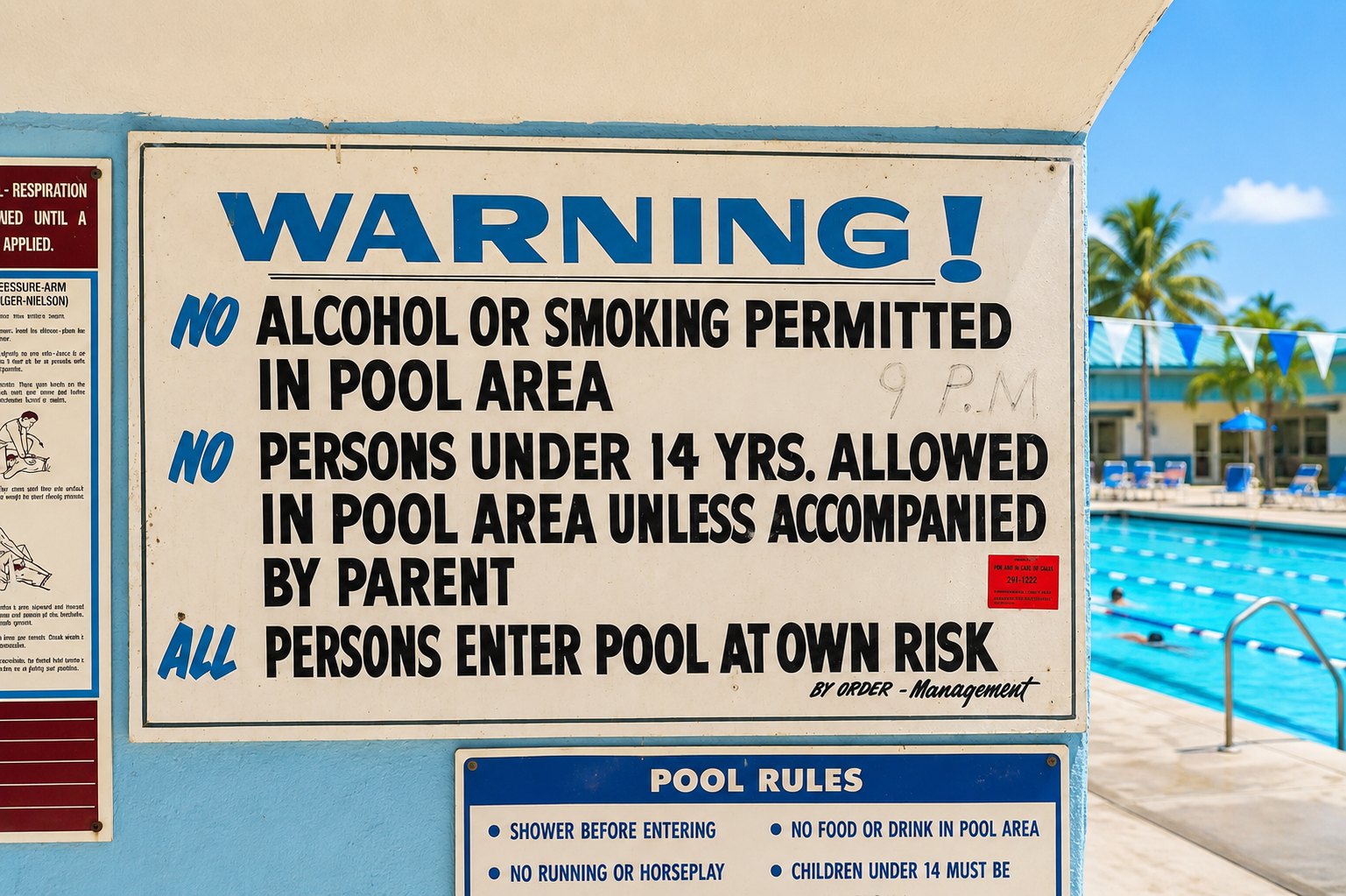
Clear pool usage guidelines help reduce congestion, improve safety, and create a better experience for swimmers. Simple operational rules can significantly improve lane flow during busy periods.
- Enforce Circle Swimming
Require swimmers in shared lanes to follow a consistent circle-swimming pattern. This creates predictable traffic flow, allows more swimmers to share lanes comfortably, and enables safer passing.
- Restrict Bulky Equipment During Busy Hours
Limit the use of large training equipment such as kickboards and fins during peak times to reduce lane obstruction and maintain smoother traffic flow.
- Create Designated Entry and Resting Zones
Encourage swimmers to rest at lane corners and wait for a clear opening before entering the lane. This helps prevent bottlenecks near pool walls and keeps traffic moving efficiently.
Final Thoughts
Reducing lane traffic during peak hours is not simply a matter of adding more lanes. For most public pools, the solution lies in better visibility, smarter scheduling, and data-driven operations.
As demand for aquatic programs continues to grow, public pools that adopt a proactive approach to lane management will be better positioned to improve operational efficiency, increase customer satisfaction, and maximize the value of their existing resources.
Managing lane reservations, swim lessons, aquatic programs, memberships, attendance, and facility usage can quickly become complex as participation grows. Omnify helps public pools streamline daily operations through online bookings, automated scheduling, capacity management, payments, and real-time reporting, all from a single platform.
Learn how public pools can reduce lane congestion during peak hours through smarter scheduling, lane management, & modern pool management technology.