.webp)
How Golf Clubs Can Improve Member Experience

A member tries to book a Saturday morning tee time after a long workweek. The website is not updated, the pro shop line is busy, and by the time they get through, the slot is gone. Later, they find out a member event was happening that weekend, but the update was buried in a newsletter they missed.
That is exactly where member experience starts to break down.
For golf clubs, the problem is not always the course. It is the small friction points around booking, communication, events, payments, lessons, and everyday service that make members feel the club is harder to use than it should be.
This matters even more as golf participation grows. The National Golf Foundation reported that 28.1 million Americans played golf on a course in 2024, the highest level since 2008. So, how can golf clubs improve member experience?
Golf clubs can improve member experience by making the full club journey easier, more personal, and more valuable. That means simplifying tee-time bookings, improving communication, streamlining onboarding, offering better events, supporting family-friendly programs, and using technology to reduce everyday admin friction.
Today’s members are not only asking, “Is the course good?” They are also asking, “Is this club easy to use, well-organized, welcoming, and worth coming back to?” That is why member experience has become a growth strategy for golf clubs, not just a hospitality concern.
Why Member Experience Matters for Golf Clubs?
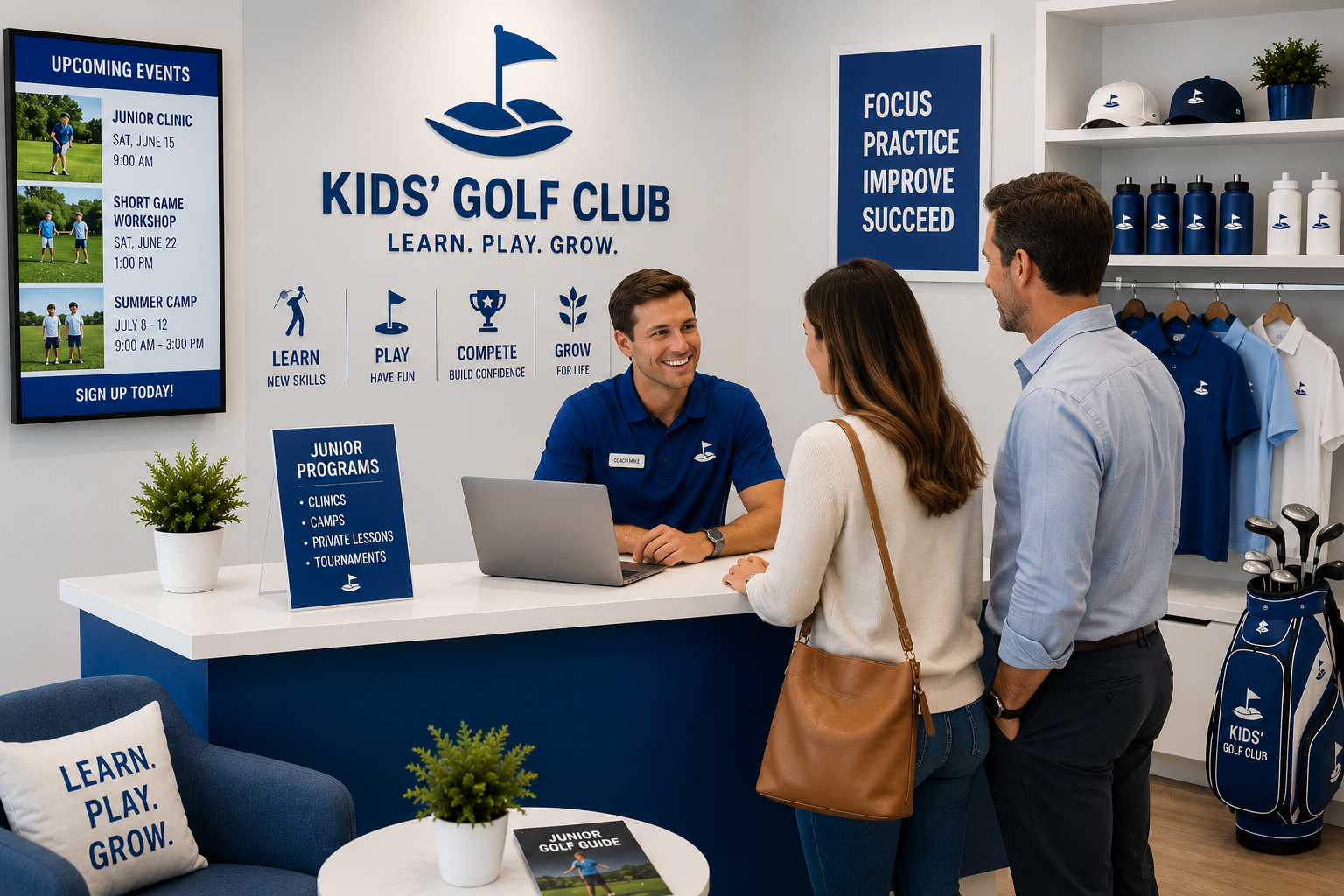
Golf is growing, and that creates both opportunity and pressure for clubs. Members are no longer judging a club only by the condition of the course. They are looking at the entire experience - how easy it is to book a slot, how clearly the club communicates, how smoothly payments are handled, how welcoming the staff feels, and whether the club gives them enough reasons to stay engaged.
In other words, members expect more than good golf. They expect convenience, consistency, and a sense of belonging. When those expectations are not met, even a great course may not be enough to keep members fully satisfied.
What Is Member Experience in a Golf Club?
Member experience in a golf club refers to every interaction a member has with the club, from joining and booking tee times to attending events, taking lessons, using facilities, making payments, and speaking with staff. It includes both the golf experience and the experience around golf.
The golf experience covers course quality, pace of play, tee time availability, coaching, tournaments, practice facilities, and pro shop service. The wider club experience includes the clubhouse, dining, events, family programs, billing, communication, member support, and the overall sense of community.
The best clubs understand that both matter.
How to make the member experience smoother in your golf club?
- Make Bookings Simpler
- Improve Communication Before Members Have to Ask
- Create a Better Member Onboarding Process
- Personalize Member Experience
- Turn the Clubhouse Into a Stronger Community
- Make Lessons and Programs Easier to Join
- Offer Family-Friendly Experiences
- Reduce Administrative Friction
- Use Data to Understand Members’ Requirements
- Collect Feedback Throughout the Year
- Train Staff to Deliver Consistent Service
- Manage Recurring Payments
1. Make Bookings Simpler
Tee time access is one of the biggest drivers of member satisfaction. If members struggle to find available slots, feel the booking process is unclear, or believe some groups get better access than others, frustration builds quickly.
Golf clubs can improve the tee time experience by using a clear booking system that lets members check availability, reserve slots, manage cancellations, and receive confirmations without calling the pro shop every time.
A better tee time booking process should support:
- Real-time availability
- Mobile-friendly booking
- Clear booking windows
- Waitlists
- Cancellation rules
- No-show tracking
- Member-specific access rules
- Automated reminders
Fairness is just as important as convenience. Members should understand when they can book, how tee times are allocated, and what rules apply to guests, peak hours, leagues, and events.
When booking feels simple and transparent, members feel that the club respects their time.
2. Improve Communication Before Members Have to Ask
Clear communication is one of the easiest ways to improve member experience.
Many frustrations happen because members do not get the right information at the right time. They miss tournament deadlines, arrive during course closures, forget lesson details, or do not see weather-related updates until it is too late.
For example, if rain delays a Saturday morning round and members only find out after reaching the club, the frustration is not just the weather. It is the lack of timely communication.
Golf clubs should communicate proactively instead of waiting for members to ask.
Useful communication includes:
- Course condition updates
- Weather delay alerts
- Playing slot reminders
- Event invitations
- Tournament registration updates
- Lesson confirmations
- Dining and clubhouse announcements
- Membership renewal reminders
- Policy updates
- Facility closure notices
Communication should also be relevant. A junior golf parent does not need every men’s league update. A social member may care more about dining events than tournament announcements. A new member may need onboarding guidance that long-time members no longer require.
Better communication makes the club feel organized, responsive, and member-focused.
3. Create a Better Member Onboarding Process

A strong member experience starts before the first round.
Many clubs invest a lot of effort in selling memberships but far less in helping new members settle in. That can leave people unsure about how to book, where to go, who to contact, or how to get involved. Golf clubs can improve onboarding with a structured welcome journey.
The goal is to make new members feel confident quickly.
They should not feel like outsiders trying to figure out an established club culture on their own. They should feel welcomed, informed, and invited into the community.
4. Personalize Member Experience
Not every golf club member wants the same experience. Some members are competitive golfers. Some are casual weekend players. Some care about family activities. Some are beginners. Some join mainly for social events, dining, or access to club facilities. A one-size-fits-all experience can make members feel overlooked.
Golf clubs can personalize the member experience by understanding preferences, booking patterns, event attendance, lesson history, and engagement levels.
Personalization does not need to be complicated. It simply means sending the right message, invitation, or offer to the right member at the right time.
5. Turn the Clubhouse Into a Stronger Community
A golf club is also a place to connect. The clubhouse plays an important role in member retention because it gives members a reason to spend more time at the club before and after their round.
Clubs can improve the clubhouse experience by creating a thoughtful calendar of social, family, and community events.
Ideas include:
- Member mixers
- New member lunches
- Wine dinners
- Family brunches
- Watch parties
- Quiz nights
- Junior award evenings
- Business networking mornings
- Women’s golf socials
- Parent-child events
- Seasonal celebrations
The goal is not to fill the calendar with random events. The goal is to create moments where members build relationships.
When members make friends at the club, the membership becomes more valuable and harder to replace.
6. Make Lessons and Programs Easier to Join

Golf clubs can improve member experience by making lessons, clinics, and junior programs easier to discover, book, and manage.
For example, a member who wants to improve their short game should not have to call the pro shop, wait for coach availability, and go through multiple messages just to reserve a lesson. A parent enrolling their child in a junior golf clinic should be able to see the schedule, choose the right age group, register, pay, and receive reminders in one smooth flow.
When learning programs are easy to join, members are more likely to participate. It also helps families use the club more often, especially when junior programs, beginner clinics, and seasonal camps are simple to access.
This is where tools like Omnify can help. Golf clubs can manage lesson bookings, clinics, junior programs, seasonal camps, payments, forms, and reminders from one place. Staff can track registrations, manage capacity, view attendance, and send updates without switching between spreadsheets, phone calls, and separate payment tools.
For members, the experience feels simple. For staff, the process becomes easier to manage. That is what makes instruction and family programs a stronger part of the overall club experience.
7. Offer Family-Friendly Experiences
Many members want the club to work for their whole family, not just the primary golfer.
Family-friendly experiences help clubs increase engagement and make membership feel more valuable. This can include junior golf programs, school holiday camps, family golf days, parent-child tournaments, beginner-friendly clinics, kids’ activities during club events, family dining options, pool reservations, and multi-generational events.
For example, if one family has two children enrolled in junior golf, the parent should not have to manage separate accounts, repeat the same information, or call the club to apply a sibling discount. They should be able to use one family profile, manage both children’s bookings, apply shared credits where relevant, and see payments, registrations, and upcoming activities in one place.
A member who only plays golf occasionally may question the value of membership. But if their spouse attends events, their children join junior programs, and the family can easily access different club activities, the membership becomes part of their lifestyle.
That deeper connection supports long-term retention.
8. Reduce Administrative Friction
Members may not see the admin work happening behind the scenes, but they feel its impact almost immediately.
A delayed confirmation, a wrong invoice, a missed reminder, or a registration error can make the club feel disorganized even when the staff is working hard to keep everything running.
For many golf clubs, admin friction builds up because different parts of the business are managed in different places. Common admin pain points include:
- Slow booking confirmations
- Confusing invoices or billing errors
- Missed payment reminders
- Incorrect membership charges
- Lost lesson or clinic registrations
- Duplicate member records
- Manual sibling discounts or family credits
- Unclear cancellation and refund tracking
- Poor visibility into event capacity
- Staff manually updating rosters
- Different locations following different processes
- No central view of bookings, payments, and member activity
These may look like internal problems, but they directly affect the member experience. This is where tools like Omnify can help. Golf clubs can manage bookings, memberships, payments, family profiles, shared credits, forms, reminders, events, lessons, and facility reservations from one place. For clubs with more than one location, a centralized system also helps owners and managers track activity across branches, standardize processes, compare performance, and reduce location-by-location inconsistencies.
9. Use Data to Understand Members’ Requirements
Golf clubs often have valuable member data, but many do not use it effectively. Data can help clubs answer important questions:
- Which tee times are most in demand?
- Which members have not visited recently?
- Which events get the highest attendance?
- Which programs are growing?
- Which membership types are underused?
- Which lessons or clinics are most popular?
- Which members may be at risk of not renewing?
- Which facilities are overbooked or underused?
This information helps clubs make better decisions.
If beginner clinics consistently sell out, the club can add more sessions. If certain members have not booked in months, staff can check in. If family events perform better than formal dinners, the club can adjust its calendar.
Member experience improves when clubs stop guessing and start responding to real behavior via better data visibility and better data management.
10. Collect Feedback Throughout the Year
Many clubs ask for feedback only when something goes wrong or renewal season is approaching. That is often too late. Golf clubs should collect feedback throughout the year in small, practical ways.
Surveys should be short and specific. Members are more likely to respond when the questions are relevant and easy to answer. The most important step is to act on the feedback. When members see changes based on their input, they feel heard.
11. Train Staff to Deliver Consistent Service
Software can improve systems, but people shape the experience.Every interaction matters: the front desk greeting, the pro shop conversation, the starter’s tone, the instructor’s attention, the server’s responsiveness, and the way complaints are handled.
Consistency matters. Members should not receive excellent service one day and confusing service the next.
A strong service culture makes members feel valued across the entire club.
12. Manage Recurring Payments
Memberships are at the center of how most golf clubs operate. Unlike tiered membership fees to create predictable revenue. But as the member base grows, managing those memberships manually can quickly become complicated.
Clubs need to track who is active, who has renewed, whose payment has failed, who has access to premium benefits, and which members are eligible for special pricing. If this information is scattered across spreadsheets, payment tools, and staff notes, it becomes easy to miss renewals, apply the wrong pricing, or give access to the wrong member group.
A strong membership management system should help golf clubs manage:
- Active, expired, paused, and cancelled memberships
- Recurring membership fees
- Failed payment follow-ups
- Renewal reminders
- Member-only pricing
- Different membership tiers
- Family or group memberships
- Access to premium tee times
- Guest privileges
- Discounts for lessons, clinics, events, or facility bookings
For example, a club may want premium members to access weekend morning tee times before standard members, or offer discounted clinic rates only to active members. Without a connected system, staff have to check eligibility manually every time, which slows down service and increases the chance of errors.
Final Thoughts
Member experience is shaped by the small details: easy bookings, timely updates, smooth payments, well-run programs, and a club environment that feels organized and welcoming.
When these touchpoints are managed manually, small issues like missed reminders, confusing registrations, or disconnected family bookings can quickly affect satisfaction and retention.
As golf clubs grow, they need connected systems that bring bookings, memberships, payments, programs, communication, and member data together. Tools like Omnify help reduce admin friction, improve visibility, and create a smoother experience for both staff and members.
Try our 14-day free trial now!
Learn how golf clubs can improve member experience with easier bookings, better communication, family-friendly programs, smoother payments, & smarter management