.webp)
How to Structure an Age-Appropriate Curriculum for Kids' Classes

Walk into any successful swim school, dance studio, gymnastics center, or martial arts academy, and you'll notice something beyond great instruction: their classes are carefully designed around how children learn at different stages of development.
Yet many kids' activity businesses unintentionally create programs based solely on age brackets or skill levels. The result? Children feel overwhelmed, bored, or stuck. Parents become frustrated when progress seems slow. Instructors struggle to manage classes with varying levels of ability. Eventually, enrollment and retention begin to suffer.
For businesses, creating an age-appropriate curriculum is more than an educational decision; it's a business one. When children are placed in programs that align with their developmental readiness, they're more likely to stay engaged, make progress, and continue enrolling term after term.
Here's how kids' activity centers can build a curriculum that supports both student success and long-term business growth.
Why Age-Based Curriculum Matter for Kids’ Activity Businesses?
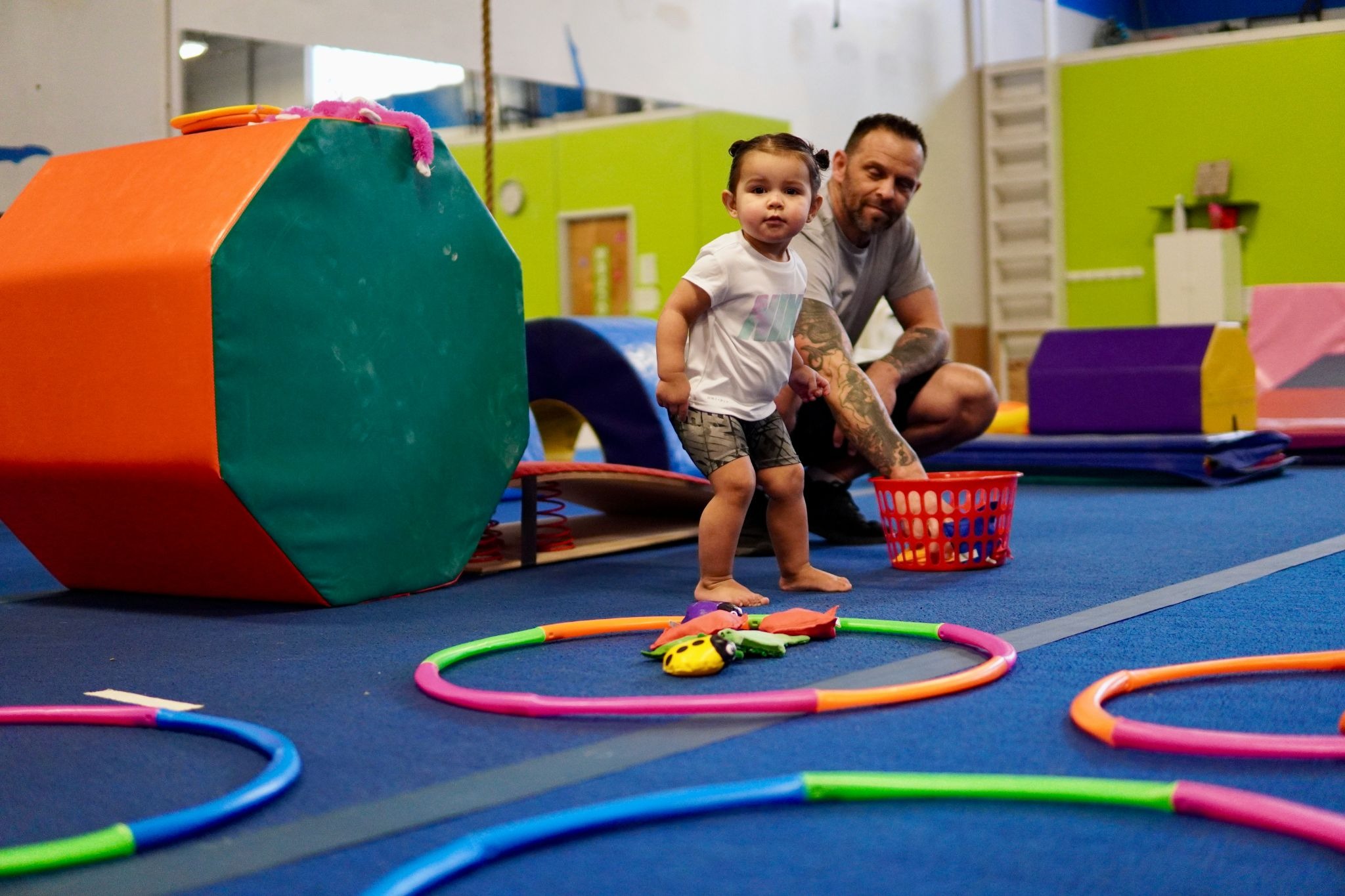
Children develop physically, cognitively, socially, and emotionally at different rates. A class structure that works for a 10-year-old may be completely ineffective for a 4-year-old, even when teaching the same foundational skill, whether it's a tennis class or another children's activity.
For example:
- A preschool swimmer may need games and repetition to build water confidence.
- A young dancer may learn best through creative movement rather than technical choreography.
- A beginner martial arts student may struggle more with focus and discipline than with physical techniques.
Parents also evaluate success differently depending on their child's age. For younger children, confidence and participation often matter more than technical mastery. As children grow older, parents start looking for measurable progress, opportunities for advancement, and skill development.
When curricula fail to reflect these differences, businesses often experience increased withdrawals, inconsistent progression, and lower parent satisfaction.
The Hidden Challenge: Age and Skill Don't Always Align
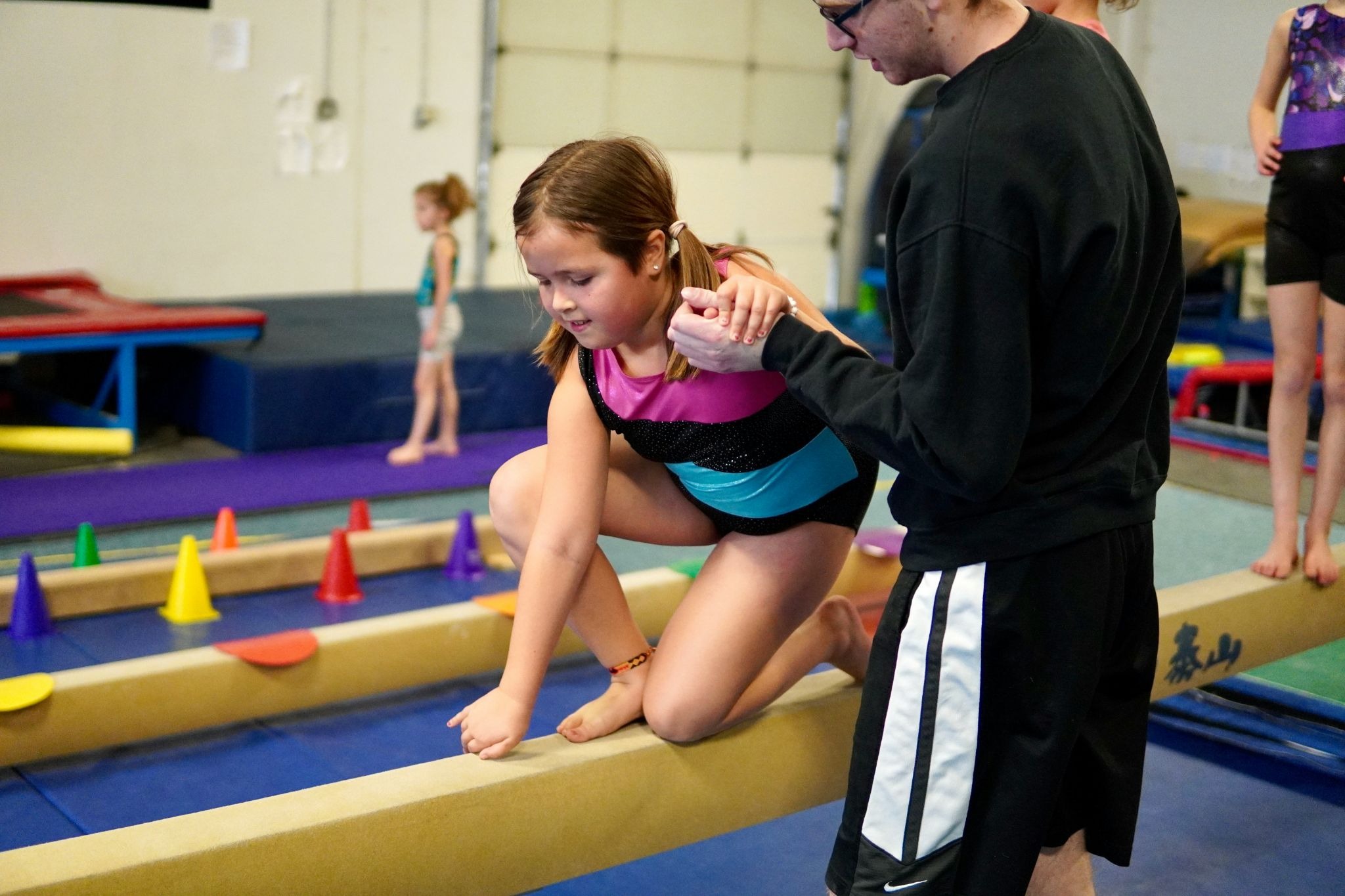
One of the biggest challenges activity centers face is balancing age-based grouping with individual ability levels. Advancing students too quickly can create unintended consequences.
Successful programs recognize that readiness involves more than skill proficiency. It requires considering the whole child: how they learn, interact, and respond to challenges. This is why the most effective curricula combine age considerations with developmental milestones and structured progression pathways.
What are the factors for creating an effective age-appropriate curriculum?
- Developmental Readiness
- Skill Progression
- Social Development
- Parents Expectations
Let's break down each of these points and explore them in detail.
1. Developmental Readiness
Developmental readiness should be the foundation of any curriculum design, with learning experiences aligned to a student's age, maturity, and developmental stage rather than focusing solely on technical outcomes.

Before introducing skills or structured instruction, educators should evaluate whether students can follow multi-step directions, maintain attention for the required duration, learn more effectively through play-based exploration or structured practice, and participate comfortably and independently in activities. Understanding these developmental factors helps ensure that the curriculum is engaging, age-appropriate, and positioned for long-term success.
When curriculum design aligns with developmental readiness, instructors can teach more effectively, and students are more likely to succeed.
2. Skill Progression
Rather than relying on broad classifications such as Beginner, Intermediate, and Advanced, businesses can create a more effective curriculum structure by designing stages that reflect a student's learning journey.

A progression model built around phases like Foundation, Development, and Mastery provides clearer learning pathways and ensures students develop essential skills before moving to more advanced concepts. This milestone-based approach not only creates a more consistent and purposeful learning experience but also gives parents greater visibility into their child's progress, helping them understand skill development over time and reducing concerns around class placement and advancement decisions.
3. Social Development
Curriculum planning often emphasizes technical skill development, but social growth is equally important to a child's long-term engagement and success. For many students, the opportunity to build friendships, collaborate with peers, and feel a sense of belonging is a key reason they continue attending classes.
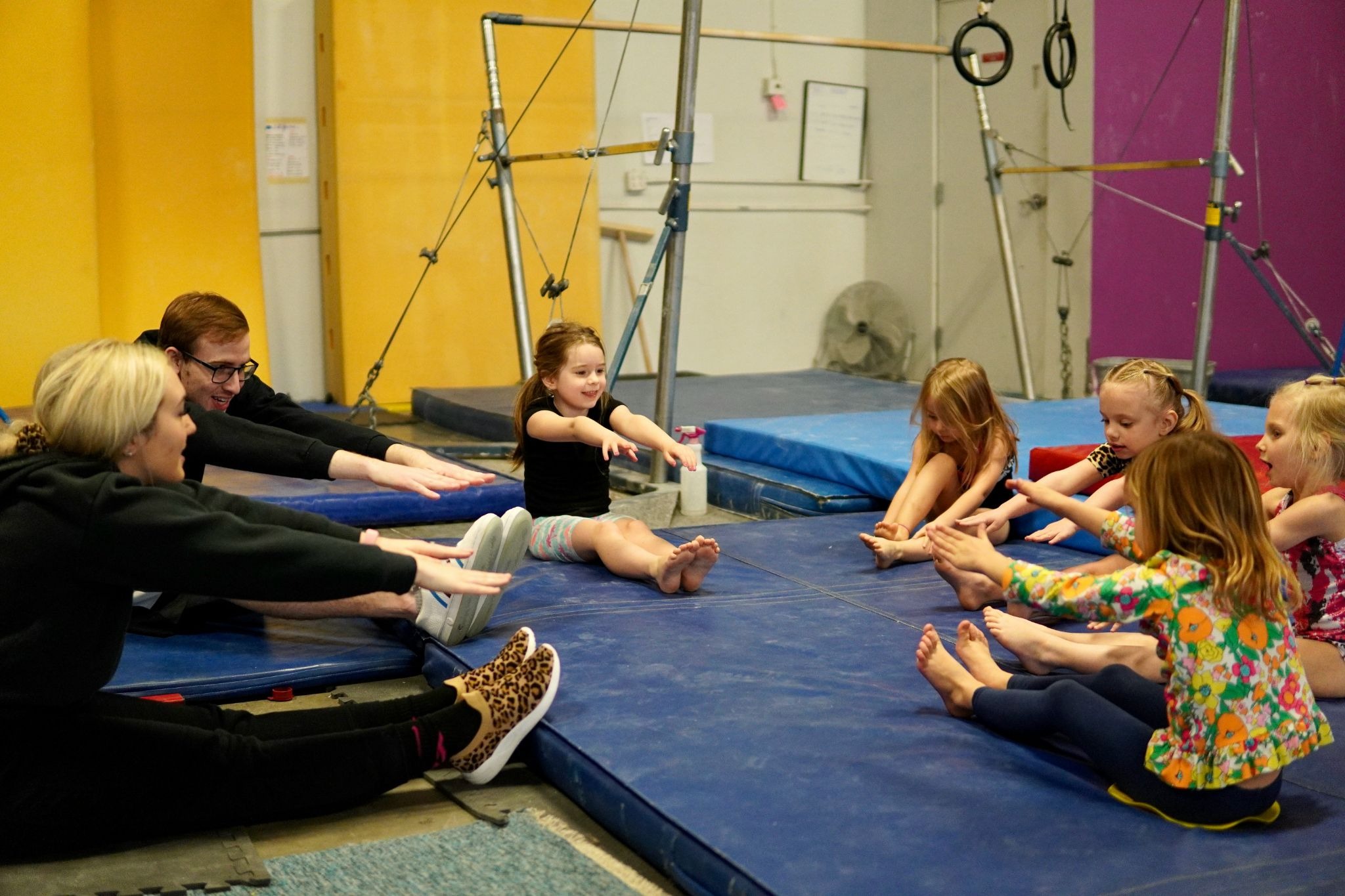
By intentionally incorporating activities that encourage teamwork, communication, and positive social interactions, businesses can create a more enjoyable and supportive learning environment that strengthens retention while helping students develop valuable life skills alongside technical competence.
Grouping students with peers at similar developmental stages helps create:
- Better classroom dynamics
- Increased confidence
- Stronger participation
- Greater sense of belonging
Children who feel socially comfortable are often more willing to try new skills, take feedback, and remain engaged throughout the learning process.
4. Parent Expectations
An effective curriculum should be designed not only around student outcomes but also around the expectations of parents, whose perception of progress often influences long-term enrollment.
For younger children, parents typically prioritize confidence, enjoyment, and active participation, valuing experiences that foster a positive relationship with learning. As children grow, parents begin to focus more on measurable skill progression, achievement milestones, and visible improvement that demonstrates ongoing development.
For older students, expectations often evolve further toward opportunities for performance, advanced training, and competitive pathways that support higher levels of achievement.
By aligning curriculum design with these evolving expectations, businesses can create programs that deliver meaningful value to both students and their families.
What Curriculum Structure Looks Like Across Different Activities
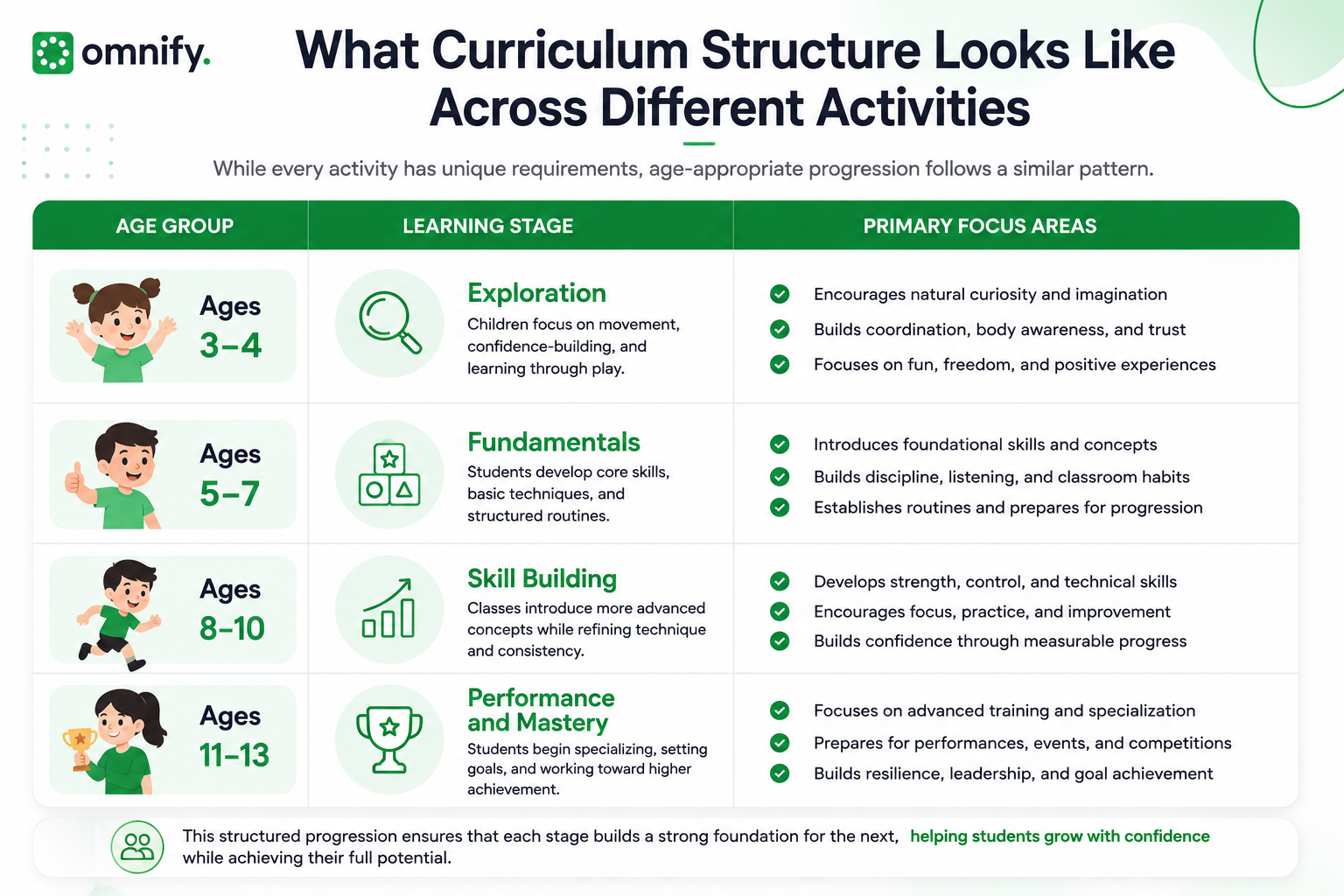
Whether you're running swim lessons, dance classes, gymnastics programs, art workshops, or STEM camps, the principle remains the same, i.e., build progression around developmental readiness rather than simply increasing difficulty.
How Omnify Helps Activity Centers Manage Age-Based Enrollment?
No two children develop at the same pace. That's why successful activity centers build flexibility into their curriculum while maintaining consistency across programs.
This is where technology plays a critical role. With Omnify's Age Restriction feature, businesses can easily control which age groups can view and book specific classes, camps, or programs, ensuring students are placed in age-appropriate learning environments from the start. This helps maintain curriculum integrity while reducing administrative effort and enrollment errors.
To create a flexible yet structured progression model, businesses should consider:
- Using age ranges rather than rigid age cutoffs
- Establishing clear skill checkpoints
- Incorporating instructor recommendations
- Creating bridge programs between levels
- Reviewing student progression regularly
Final Thoughts
A strong curriculum isn't measured by the number of classes you offer, but by how effectively it supports a child's growth journey. When programs are designed around developmental readiness, skill progression, social development, and parent expectations, children stay engaged, parents see meaningful progress, and businesses build stronger retention.
Paired with the right technology, delivering these experiences becomes much easier. Omnify helps children's activity centers manage classes and programs more efficiently while solving operational challenges such as age-based eligibility, enrollment controls, scheduling, and progression management. By combining thoughtful curriculum design with streamlined operations, businesses can create exceptional learning experiences that drive long-term growth.
Learn how to design age-appropriate curricula for children's activity programs, best practices for skill progression, class structure, and age restrictions.